
Claim: NOAA issued a “Major to Extreme Heat Risk” warning covering college football’s opening weekend.
Watch What’s Trending Now!
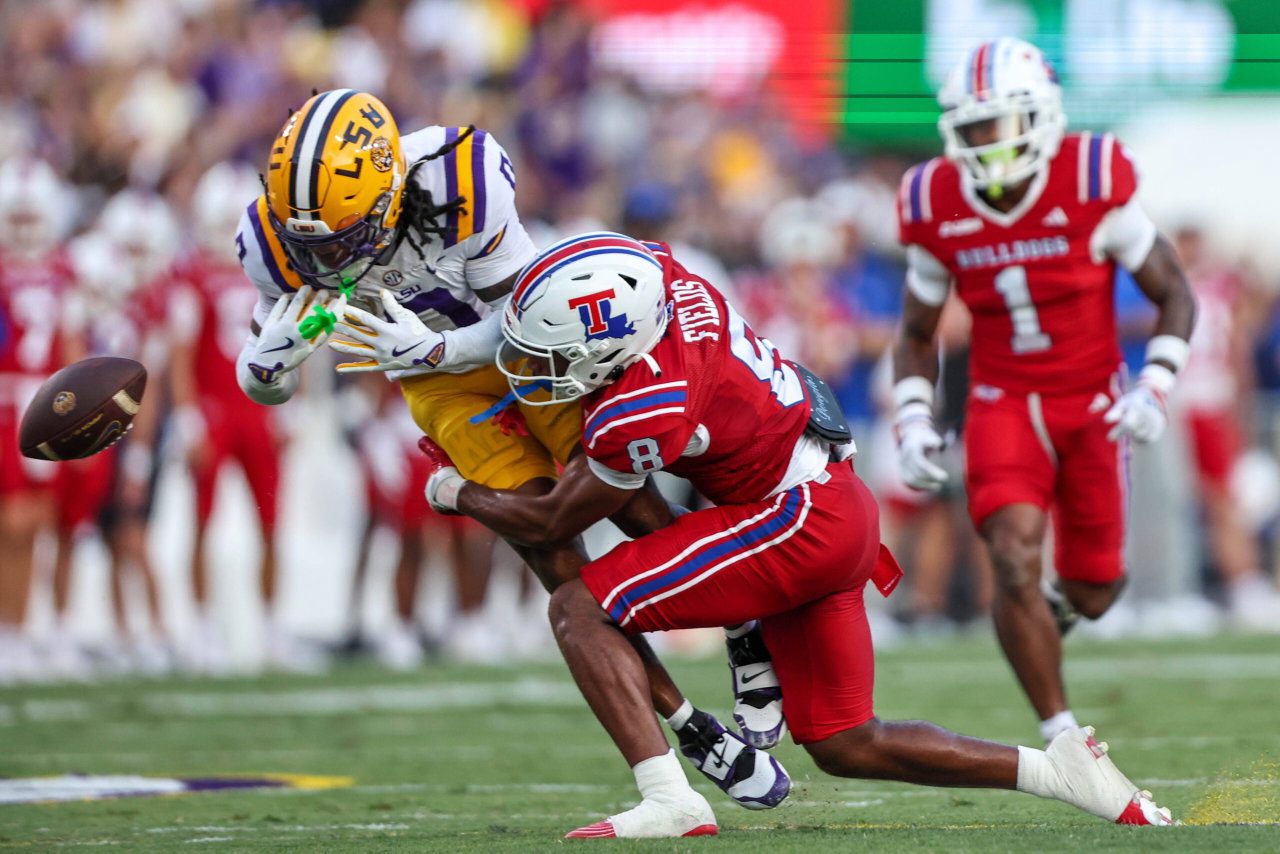
The 2026 college football opener saw top teams dominate, but LSU stole the spotlight with Lane Kiffin’s 51-10 rout of Clemson. Meanwhile, Oregon, Michigan, Colorado and Auburn survived scares, while SMU upset Florida State.
The results reshaped the AP Top 25, with LSU breaking into the top 10. However, just before the weekend began, reports emerged that the National Oceanic and Atmospheric Administration (NOAA) issued a “Major to Extreme Heat Risk” over the opening weekend.
But is that really the case? Here’s what we found!
Our Verdict: True
“A dangerous late-summer heat wave will continue to bring extremely hot temperatures to the central U.S. through the weekend into next week as a large mid/upper ridge remains centered over the region,” NOAA’s Weather Prediction Center forecasters wrote. “High temperatures well into the 90s and low 100s combined with high humidity and very warm overnight lows in the mid 70s will result in widespread areas of Major to Extreme Heat Risk and a concern for heat-related illnesses.”
The Southeast and southern Mid-Atlantic were also predicted to experience very hot conditions, with some relief arriving a couple of days later as a cold front moved through. Many SEC, Big Ten, and ACC schools were expected to see temperatures in the upper 90s, with some locations potentially reaching 100°F or higher.
High humidity was expected to push the heat index and wet-bulb globe temperatures into dangerous territory. Norman typically sees September 5 highs in the mid-to-upper 80s, but temperatures could approach 100°F this Saturday.
Notably, rising temperatures mean extreme heat has become a bigger challenge during the college football season. NWS statistics show that heat has been the deadliest weather event in the U.S. annually over the past 30 years.
Not to mention, in week zero, USC and San Jose State played in extreme heat, and some fans reportedly left the stadium or stayed home, while others suffered heat-related illnesses. Temperatures in September have continued to rise over the past several decades, making the start of football season increasingly difficult.
Although schools are taking steps to protect players, officials, fans and workers, the growing heat raises questions about whether college football’s current schedule will remain practical in the future. Regardless, when the weekend finally arrived, it was marked by an intense heat wave across much of the U.S., particularly in the South and Southeast.
Temperatures at several college football venues climbed into the upper 90s and, in some places, around or above 100°F, while high humidity pushed the heat index and wet-bulb temperatures into dangerous levels. The extreme conditions affected both players and spectators, with some games requiring schedule or venue adjustments and concerns over heat-related illnesses.
The unusual heat was especially notable because September is supposed to mark the transition into fall, yet temperatures were running roughly 10°F or more above average in some areas.
Our fact-checking sources:
- Forbes, September 02, 2026. Extreme Heat Expected On First Full Weekend Of College Football
- CBS Sports, September 05, 2026. College football Week 1 heatwave forces game changes as temperatures top 100 degrees