
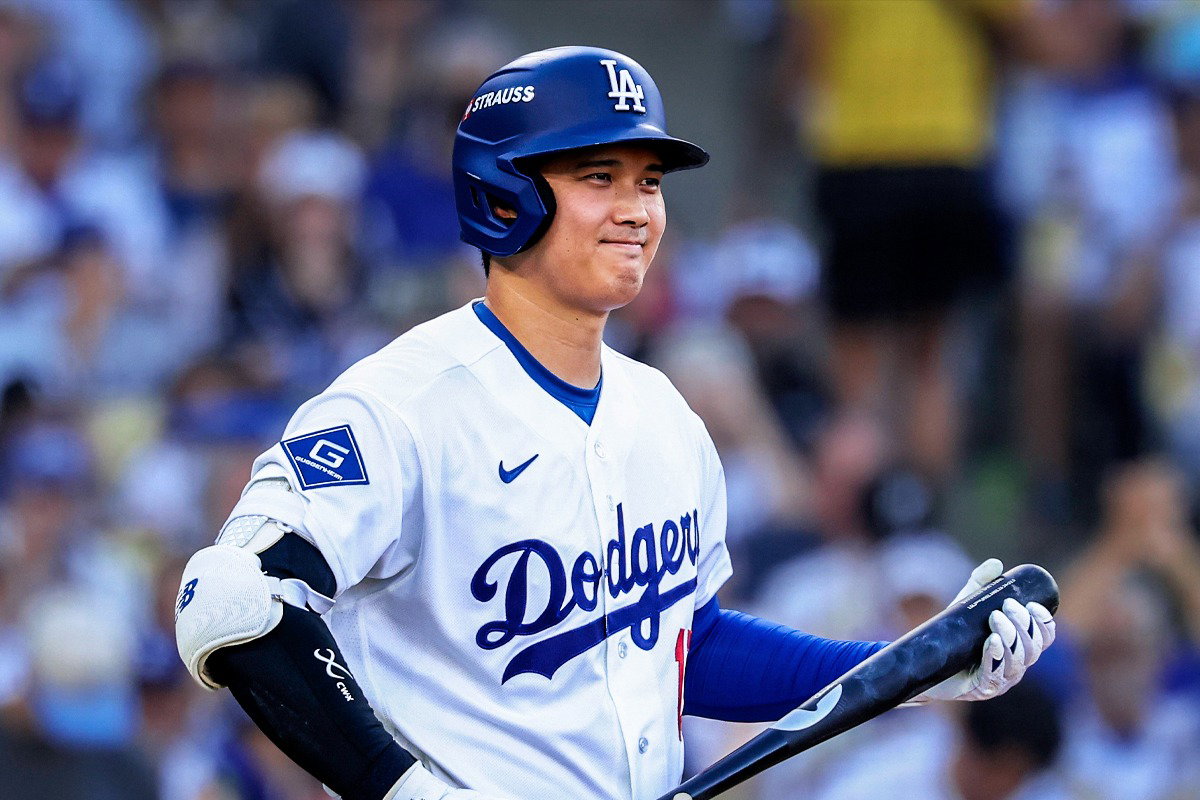
When the Milwaukee Brewers eliminated the Los Angeles Dodgers in the NLCS, some Los Angeles bar owners had a reason to feel relieved. One hospitality group had placed a bet on the Dodgers failing to reach the World Series, and the bet paid off.
Watch What’s Trending Now!
The move highlights a growing use for prediction markets: helping businesses protect themselves against financial losses tied to uncertain events.
The Dodgers’ exit opens a new door
A hospitality company in Los Angeles that runs 25 bars, including several close to Dodger Stadium, had a lot riding on the Dodgers’ postseason performance. A long playoff run could bring in more customers, extend business hours, and boost sales. However, an early exit would mean losing out on that potential increase in revenue.

Imago
Credits: IMAGO
According to Fortune, the group placed a $60,000 trade on Kalshi predicting that the Dodgers would not reach the World Series. Following the Dodgers’ elimination in the NLCS, the bet returned almost twice the amount originally invested. The payout helped make up for some of the extra income the bars would have generated if the team had advanced to more playoff games.
The idea is simple. The bars could make more money when the Dodgers won, thanks to increased business.
The business was essentially betting against the outcome that would have helped its regular operations.
The bigger question is whether other businesses can use prediction markets in the same way to manage financial risks.
How other businesses are using prediction markets
The Dodgers trade is not the only example of businesses using prediction markets to protect themselves against possible losses.
- The Jeffrey in New York: In June, the bar offered to cover customers’ tabs up to $100 if the Knicks won Game 1 of the NBA Finals. It also placed $5,000 on Kalshi predicting a Knicks win. The trade paid out $13,500, helping cover the cost of the promotion and leaving money beyond the original stake.
- LSU coaching bonuses: An unidentified insurance company made five trades on Kalshi that could generate $3 million if LSU captures the national championship. The potential earnings were intended to offset the bonus payments LSU would owe head coach Lane Kiffin if the team wins the title.
- An ice cream shop in Los Angeles: A shop reportedly earned nearly half its monthly rent, or up to $1,500, by trading on Kalshi’s temperature markets. The idea was to offset losses from slower sales during certain weather conditions.
In each case, a business used a prediction market to help manage the financial impact of an uncertain event.
Prediction markets are growing quickly
Prediction markets have attracted more trading as users buy and sell contracts tied to the outcomes of sports, politics, weather, and other events.
Pew Research Center’s analysis shows how quickly activity has increased.
- Monthly trading volume: Combined volume on Kalshi and Polymarket rose from $26 billion in May to $53 billion in July.
- Growth over time: Monthly volume was below $5 billion in mid-2025 and reached about $25 billion by April 2026.
- Sports trading: Sports contracts on Kalshi accounted for more than $58 billion in trading volume across June and July, while sports trading on Polymarket approached $22 billion over the same two months. These are two-month totals, not figures for July alone.
- Comparison with sportsbooks: Pew compared roughly $40 billion in legal U.S. sportsbook wagers during the first quarter of 2026 with a similar amount of sports-related trading on prediction markets during the same period.
- Sports’ share of trading: Since July 2024, sports have accounted for 80% of total trading volume on Kalshi and 39% on Polymarket.
Sports are well suited to this type of trading because the outcomes are usually clear. A team either wins or loses, and businesses can connect that result to their sales or expenses.
Dartmouth economist Eric Zitzewitz has noted that the large amount of sports data and the number of games played can help prediction markets estimate probabilities. However, businesses still have to pay trading fees, and a market price does not guarantee a correct prediction.
For prediction-market platforms, business customers also offer a new opportunity. A bar owner trying to protect revenue is using the market differently from a fan placing a bet for entertainment.
Differences between prediction markets and traditional insurance
Prediction markets may serve a purpose similar to insurance, but they work differently.
Columbia law professor Joshua Mitts, who studies prediction markets and securities law, told Fortune that the Dodgers trade was functionally similar to a form of specialized insurance.
There are several important differences.
- What is covered: Traditional insurance policies define what losses are covered and set rules for claims. A prediction-market contract pays based on a specific outcome, regardless of how much the business actually loses.
- The risk may not match the payout: A bar’s revenue depends on more than a team’s playoff results. Weather, staffing, foot traffic, and promotions also affect sales. A prediction-market payout may not cover the actual loss.
- The cost of getting it wrong: If the predicted outcome does not happen, the business can lose the money it invested in the trade. That resembles paying for protection, but the payout depends on the contract’s terms.
- Fees and trading conditions: Trading fees, market liquidity, and contract details all affect whether a trade makes financial sense. A business may not find a suitable contract at a reasonable price.
- Fewer safeguards: Mitts warned that traditional insurers have extensive resources to detect fraud, while prediction markets do not have the same level of protection.
These trades are most useful when they involve clear outcomes, such as a game result or a weather event. They can be riskier when other traders have access to information that the business does not.
They may also work better in major markets where there are enough traders to support buying and selling contracts.
Application of AI in Prediction Markets for small businesses
In August, financial economist Lauris Zminsky launched Blanket in partnership with Kalshi. The AI tool suggests yes-or-no markets that businesses could use to offset specific risks. Zminsky described it as a discovery tool that guides users toward Kalshi.
Potential uses include
- Restaurants: Managing revenue that depends on sporting events, concerts, or other activities that affect customer demand.
- Retailers: Tracking changes in consumer spending. Zitzewitz suggested that trading tied to future Amazon credit card receipts could provide a more timely signal than broader economic measures such as GDP growth.
- Weather-sensitive businesses: Helping shops and other businesses manage risks tied to cold fronts or other weather changes.
AI could make these tools easier to use for small businesses that do not have dedicated risk-management teams. But identifying a possible trade is only the first step.
A useful system must also:
- Identify the business’s actual financial risk.
- Find a suitable contract with enough trading activity to support a fair price.
- Set the trade size based on the potential loss.
- Account for fees and other costs.
An AI recommendation does not guarantee that a trade will protect the business.
Opportunities come with risks
Prediction markets may offer businesses a new way to manage risk, but several issues could limit their use.
- Regulatory uncertainty: Prediction markets are not simply unregulated. The legal framework is still being debated, especially for sports contracts. Event contracts offered on a Commodity Futures Trading Commission-registered exchange are treated as commodity derivatives. Kalshi operates as such an exchange.
However, several states have challenged sports-related contracts. Connecticut sued Kalshi in August, and more than a dozen states have taken enforcement action or filed lawsuits. The CFTC has also sued Connecticut, Arizona, and Illinois, arguing that states cannot prohibit markets registered with the federal agency. Courts have reached different conclusions, and federal appeals courts have split, with the U.S. Supreme Court yet to settle the issue. A legal ruling could affect whether a business can continue using certain sports contracts in its state. - Mismatch between the trade and the loss: A business could receive a payout that does not cover its losses. It could also suffer a financial setback without receiving any payout.
- Manipulation and information gaps: Market prices are not guaranteed forecasts. Thinly traded markets can be less reliable, and some traders may have information others lack.
- Trading costs and rules: Contract terms, fees, liquidity, and platform policies can all affect whether a trade is worthwhile.
- Conflicts of interest: When businesses trade on events that directly affect their own operations, questions can arise about incentives and the integrity of the market.
These risks mean businesses need to understand exactly what they are trading and how the contract relates to their financial exposure.
The road ahead
The Dodgers trade shows why prediction markets are attracting business owners. They offer a way to place a price on a specific outcome and potentially recover some money when things do not go as planned.
But they are not a direct replacement for traditional insurance. A contract may pay out when a team loses, yet the amount may not match the business’s actual losses. Businesses also have to consider fees, market conditions, and changing regulations.
For now, prediction markets are best viewed as a possible addition to a business’s risk-management strategy. Their long-term value will depend on whether they can provide reliable protection at a reasonable cost.