
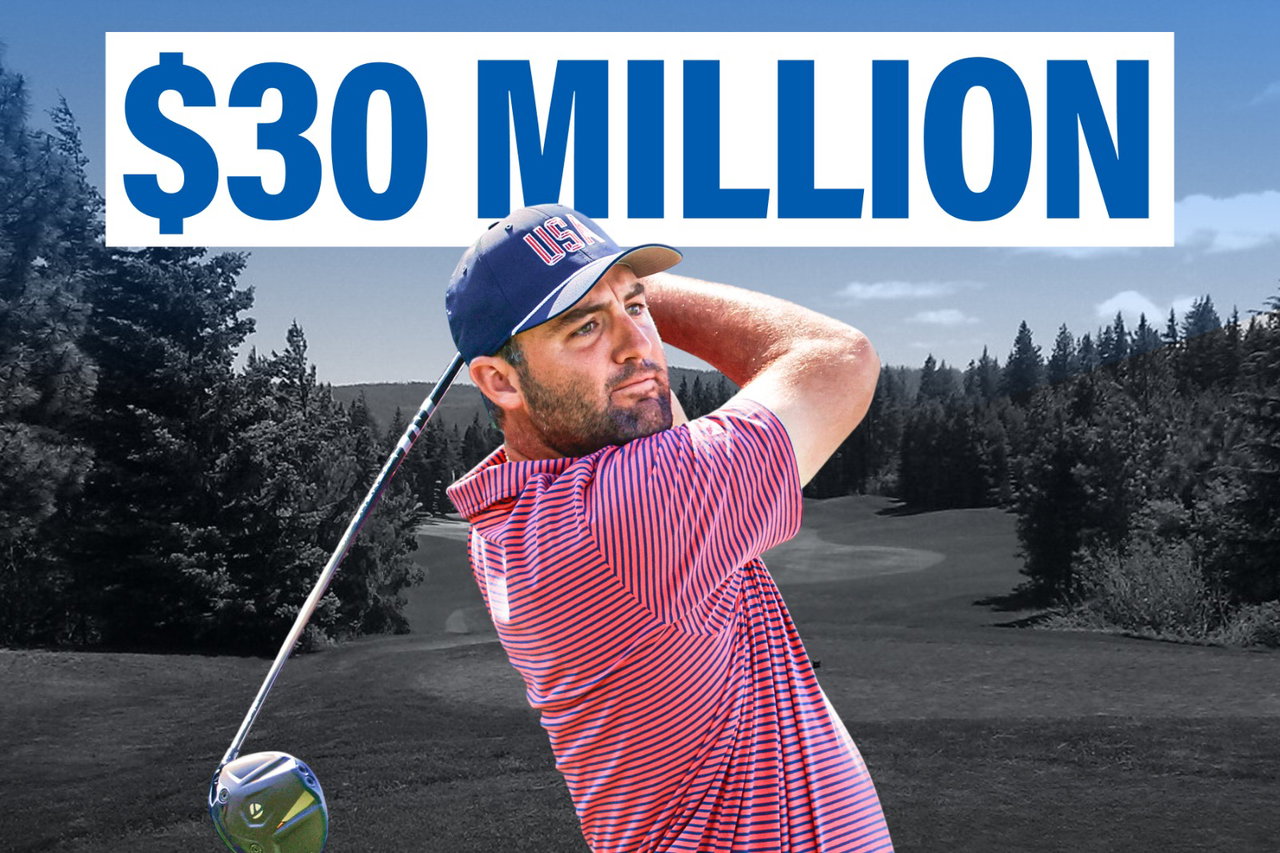
Scottie Scheffler has dominated golf on the course, but his approach to business is just as interesting. The world’s top-ranked golfer and four-time major champion has kept his list of sponsors shorter than those of many other superstar athletes, despite having plenty of opportunities to earn more through endorsements.
The Athletic recently examined his approach, raising an important question about sports business: When an athlete already earns millions from competition, how much endorsement money is worth giving up to protect time for family, rest, and golf?
Scottie Scheffler’s position on the prestigious list
According to Forbes’ 2026 ranking of the highest-paid golfers, Scheffler earned an estimated $79 million over the previous 12 months. About $49 million came from playing golf, while another $30 million came from endorsements and other business deals.
Forbes’ estimate puts his off-course earnings on par with NFL quarterback Patrick Mahomes and ahead of soccer stars Kylian Mbappé and Erling Haaland.
Imago
Image courtesy: Imago
That split makes Scheffler unusual. Many superstar athletes earn more from endorsements than from competition. Scheffler, however, makes more money on the course, even though he is one of golf’s most marketable players.
A few details help explain his position:
- Four major championships: Scheffler has won four majors and spent an extended period at No. 1 in the world rankings.
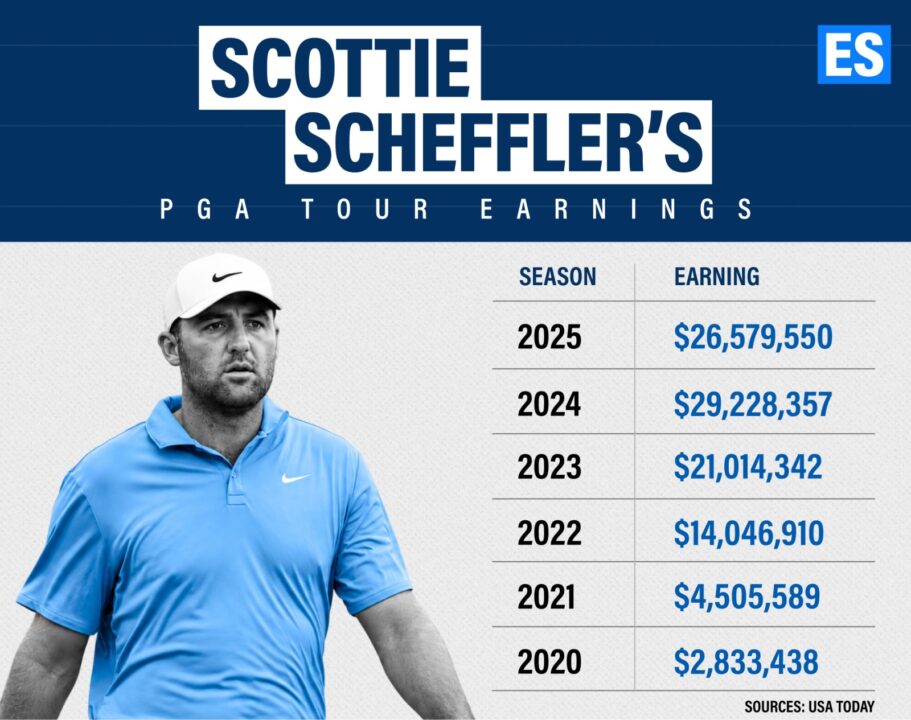
- More than $130 million in career earnings: That figure comes from his official PGA Tour earnings.
- Gross earnings, not take-home pay: The $79 million figure is an estimate of his income before taxes and agent fees. It is not his net worth.
Because he earns so much from playing golf, Scheffler does not need to accept every endorsement offer to remain financially secure.
How does Scottie Scheffler choose endorsements?
Scheffler still has several major sponsors. His partners include Nike, TaylorMade, Rolex, NetJets, and Huntington Bank. He also works with brands connected to his interests, such as GolfForever and Turtlebox.
Forbes credits partnerships with companies including Huntington Bank, Nike, and TaylorMade for helping boost his off-course earnings.
The common thread is that these deals fit his life and interests. He can work with familiar brands without having to build a completely different public image.
The Huntington Bank partnership is a good example. The relationship began through Veritex Community Bank, whose leaders supported Scheffler early in his career. It continued after Huntington acquired Veritex.
That history gives the partnership a personal connection that goes beyond the size of the paycheck.
Keeping his endorsement list smaller also has practical benefits:
- Fewer filming days and public appearances
- Less disruption to practice and training
- More time for family and personal life
Scheffler’s approach shows that the number of sponsors an athlete has is not the only measure of commercial success. The quality of those partnerships, how long they last, and how much time they require all matter.
The millions Scottie Scheffler is willing to turn down
Scheffler has reportedly rejected sponsorship offers from several industries, including beverages, automobiles, pharmaceuticals, sports betting, prediction markets, and other businesses.
There is no reliable public estimate of how much those rejected deals were worth, so the total amount he has turned down remains unknown.
Endorsement deals can also require more than simply putting a company’s logo on a shirt. They often involve:
- Filming commercials and taking part in photo shoots
- Attending corporate events and making personal appearances
- Traveling for promotional activities
- Posting sponsored content on social media
TGL, the indoor golf league, is one example of an opportunity Scheffler passed on. Joining the league would have added travel and other commitments to an already busy schedule.
Rory McIlroy, by contrast, co-founded TGL with Tiger Woods. The difference shows that two of golf’s biggest stars have different views on how much time they want to spend on business opportunities outside traditional competition.
Scheffler has explained that he wants to work with “the right people,” as he told The Athletic.
The question is whether he is missing out on money by turning down deals, or whether he is protecting the time and focus that help him keep winning.
Scottie Scheffler vs. Rory McIlroy: two different business models
Rory McIlroy offers a clear comparison. According to Forbes’ 2026 ranking, McIlroy earned an estimated $77 million over the previous 12 months. However, his income came from a different mix: about $27 million from golf and $50 million from endorsements and other off-course activities.
That was the highest off-course income among the golfers on Forbes’ list and well above Scheffler’s estimated $30 million. Golf Monthly, citing Sportico’s figures, put McIlroy’s off-course earnings even higher, at $55 million.
| Golfer | On-course earnings | Off-course earnings | Total earnings |
| Scottie Scheffler | ~$49 million | ~$30 million | ~$79 million |
| Rory McIlroy | ~$27 million | ~$50 million | ~$77 million |
McIlroy’s wider range of business deals brings in more endorsement money and helps build his profile outside golf. But those opportunities also require time and attention.
Jordan Spieth follows a more traditional endorsement model, with partnerships that include Under Armour, Coca-Cola, AT&T, and Rolex.
Neither approach is necessarily better. McIlroy has chosen to pursue more commercial opportunities, while Scheffler has been more selective. Their total earnings are nearly identical, despite the different ways they make their money.
A fair question follows: Should an athlete’s commercial success be measured by how much endorsement money they earn, or by how well they balance income with their personal priorities?
Scottie Scheffler is in a position to say no
Changes in professional golf have also made it easier for top players to turn down endorsement deals.
LIV Golf’s arrival in 2022 increased competition for elite players and helped usher in an era of larger purses and new financial opportunities. Forbes’ 2026 report noted that today’s stars still benefit from the changes LIV brought to the sport, even as earnings among the top 10 highest-paid golfers fell for a third straight year, to a combined $536 million.
The difference between today’s earnings and those of earlier generations is striking. According to The Athletic, Tiger Woods earned roughly $10.6 million in prize money in his standout 2005 season. Scheffler, meanwhile, has earned more than $50 million on the course in each of the past two calendar years.
With tournament earnings at such high levels, Scheffler has less financial pressure to accept additional sponsorships, appearance fees, and offseason commitments.
However, not every golfer has that luxury. Players outside the sport’s top tier may rely on sponsorships and appearance fees to cover the costs of competing.
Rising prize money has changed the balance between tournament earnings and endorsements. For the most successful players, it also offers greater freedom to choose which business opportunities are worth their time.
The hidden cost of being a superstar
Being a famous athlete brings demands that do not show up in an earnings report. These commitments can take time away from training, recovery, and family.
Some of the biggest costs include:
- Travel and media obligations
- Filming commercials and attending promotional events
- Less privacy in everyday life
Each additional commitment can take away time and energy that an athlete needs to perform at the highest level. Scheffler’s comments about limiting his time at the golf course and keeping his home life separate from his career show how important that balance is to him.
For a superstar, time is a limited resource. Turning down an endorsement deal may be worthwhile if it helps protect performance, career longevity, and personal well-being.
Scheffler’s approach also raises a broader question for professional sports: Will future stars follow his lead and become more selective about sponsorships, choosing to protect their time rather than chase every available deal?