
Who would have thought that brands would focus more on young players than on going for big names? They are taking risks with younger players, assuming they will help the companies reach new audiences while building strong connections with them early in their careers.
Watch What’s Trending Now!
The main idea comes in from SportsPro’s 2026 ranking that looks at which athletes have the strongest brand value and potential to attract more sponsors. The list also shows that brands are paying attention to athletes who are still building their careers, rather than focusing only on already famous sporting stars.
- Twenty-eight-year-old tennis player Aryna Sabalenka topped the list.
- 23-year-old Eileen Gu took second place.
- 31-year-old Giannis Antetokounmpo ranked No. 3.
- 26-year-old Erling Haaland came in at No. 4.
- 23-year-old Carlos Alcaraz took No. 5.
However, young athletes are also becoming more careful about the brands they work with. They want partnerships that match their interests, values, and lifestyles instead of promoting just any product. US Ski & Snowboard president and CEO Sophie Goldschmidt explained this during an SBJ event in New York.
“Building that relationship in a meaningful way, getting to know each other, and then educating them on the brand, what are their goals and objectives, how does that align with what we’re trying to do [is where it starts],” Goldschmidt said. “This is a personal relationship, but it fundamentally is a business relationship. If [brands] are successful, then they’re going to invest more and do more with us.”
Olympic and X Games snowboarder Hailey Langland is a perfect example of this approach.
“That way it helps both of us grow as a real partnership,” Langland said at SBJ/Leaders in Sport’s 4se event in New York in 2024. “At the beginning of my career, I was open to any partnership, and a lot of them didn’t work out the way I wanted to because it was too much of a guess. You do have to get nitpicky and choose brands that align with your day-to-day.”
But is investing in players before seeing their on-field performance the right decision?
The Commercial Value of Investing Early
By investing early, companies can build long-term partnerships and grow alongside the athletes as their careers develop. If these players become major stars, the brands benefit from their popularity.
And brands did take such massive risks before. Nike did it while signing Michael Jordan in 1984, before he had played a single NBA game. Sonny Vaccaro believed Jordan had the talent and potential to become a major star after watching him play in college.
- He convinced Nike to invest heavily in the young player, even though his professional career had not yet begun.
- The decision paid off beyond expectations, as Jordan became one of the biggest names in basketball and helped turn Nike into a global sportswear powerhouse.
Then there’s another major example of brands taking risks with younger players. Nike spotted AJ Dybantsa’s potential when he was just 16 and still playing high school basketball. Instead of waiting for him to make it big in college or the NBA, the company got in early and signed him to an NIL deal in January 2024.
NIL has made this transition even easier. The introduction of NIL deals has made it easier for brands to reach college sports fans in the United States. Since 2021, companies such as McDonald’s, Microsoft, PepsiCo, Berkshire Hathaway, Amazon, and Unilever have been paying college athletes to promote their products.
This became possible after a Supreme Court ruling in 2021 changed the rules around athlete compensation. As a result, brands no longer have to wait for players to turn professional to work with them.
Louis Vuitton signed Victor Wembanyama as its brand ambassador when he was only 20. The brand started discussing the partnership while he was still playing for French club Metropolitans 92, before joining the NBA. It also helped him choose his outfit for the NBA Draft. This shows that brands are ready to work with young athletes early in their careers instead of waiting for them to become famous stars.
But along with investing early, brands also see how one player can transition into a global brand.
The New Generation of Marketable Sporting Stars
Alysa Liu’s success on the ice has helped her make a name for herself in the fashion world as well.
After winning big at the 2026 Milano-Cortina Olympics, she caught the attention of luxury fashion brand Louis Vuitton. On May 4, the brand named her its newest house ambassador. The announcement came on the same morning as the 2026 Met Gala, giving her career another boost outside figure skating.
This came after major achievements:
- Liu won two gold medals at the Olympics, one in the individual event and another in the team competition.
- She also became the first American woman in 24 years to win Olympic gold in women’s figure skating.
- Her personality was another addition to it.
Then there’s Eileen Gu. After winning two gold medals and a silver at the 2022 Beijing Olympics, she became a sought-after name for brands.
Forbes estimated that she earned $23.1 million in 2025. Her popularity and international appeal have helped her build partnerships with several major brands.
But the bigger picture brands are no longer looking only for athletes who win championships.
Performance or presence
Social media platforms like Instagram and TikTok have changed how athletes connect with fans. Athletes no longer need to perform well in every game to stay popular. Social media helps them connect with fans and build their own following.
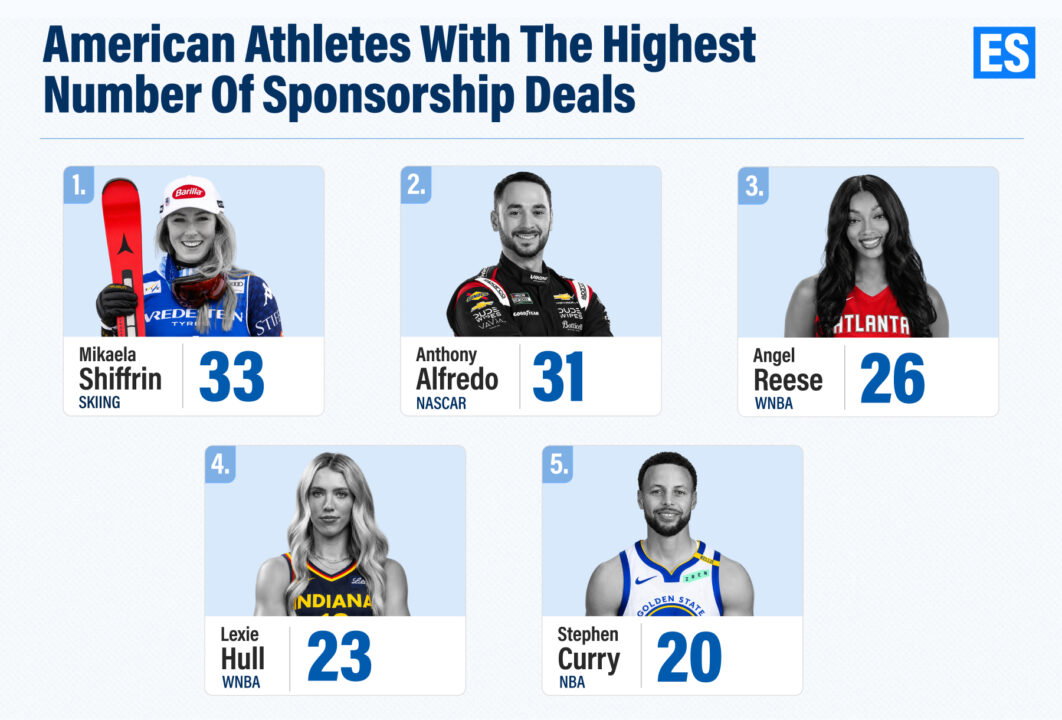
Angel Reese is a good example. Her team, the Chicago Sky, struggled during the 2025 WNBA season, but she continued to attract brands. Her first Reebok signature shoe came out in September 2025 and sold out on the brand’s website within hours.
She also has 5.3 million Instagram followers, which helps her stay in the spotlight. Reese partnered with Victoria’s Secret and even appeared in its 2025 fashion show. This shows that brands can be interested in an athlete even when their team is not winning.
But working with athletes is not always a safe bet. Injuries, poor performances or controversies can affect their popularity and hurt a brand’s image.
That is why brands may choose both famous stars and young athletes to maintain balance. The aim is to find the next big name before other companies do.