
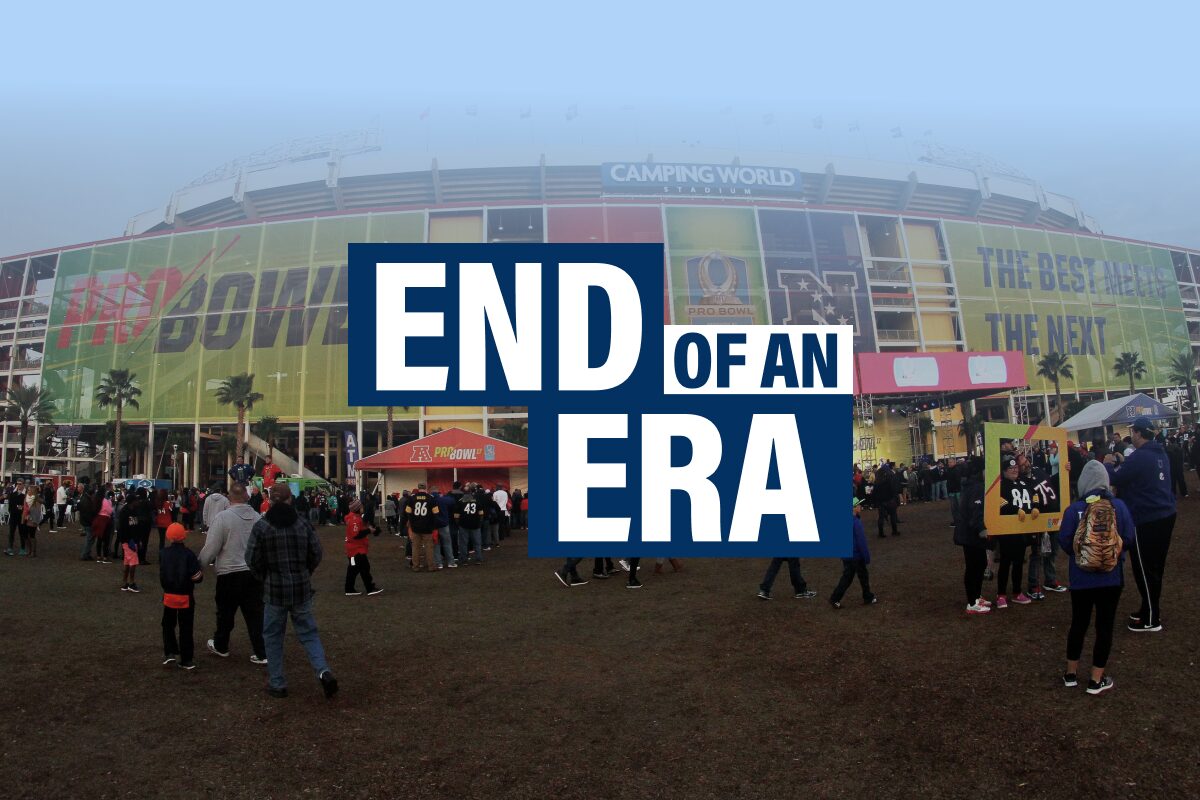
On Wednesday, Adam Schefter broke the news on social media. The senior NFL insider reported that the NFL has eliminated the Pro Bowl games and, going forward, will focus solely on celebrating the honor of being selected to the Pro Bowl. As the hours passed, more details emerged. League executives confirmed that the Pro Bowl will no longer feature a standalone game, whether tackle or flag football, ending a tradition that dates back to 1951. And if you think the NFL made this decision out of nowhere, you’re wrong.
Watch What’s Trending Now!
Reports indicate that the league had been surveying players for years before reaching this conclusion. Donte Whitner’s comments offer a glimpse into why the NFL ultimately made the move.
Speaking with First Take, the three-time Pro Bowl safety said, “The Pro Bowl game died a long time ago. The league is just finally holding a funeral for it. And I remember being out in Hawaii and being out in Arizona, and the guys never wanted to be there. They only wanted to come for the vacation for their family.”
Now that the Pro Bowl game is officially out, what kind of ripple effect will this decision create? Before getting into that, though, it is worth looking at what the Pro Bowl has actually generated for the NFL over the years.
What the Pro Bowl Actually Brought to Cities
If we look beyond the actual football game, the Pro Bowl brought many of the same benefits as other major sporting events that attract tourists.
- Hotel bookings: Thousands of fans stayed at local hotels for the weekend, often during a slower time of the year.
- Restaurant and bar spending: Fans spent money on food and drinks near the stadium and across the city.
- Transportation: The influx of visitors increased spending on rideshares, parking, taxis, and public transportation.
- Merchandise and food sales: Fans bought team gear, food, and drinks at the stadium and around the event.
- Sponsors and TV: The NFL and its sponsors generated revenue through advertising, promotions, and other activities tied to the event, not just ticket sales.
- Additional tourist spending: Some fans extended their trips to visit theme parks, attractions, and other popular destinations in the city.
The key point is that the football game itself didn’t necessarily have to be great for the city to benefit. What mattered most was bringing thousands of people into town and getting them to spend money while they were there.
For years, the Pro Bowl managed to do exactly that. And the best way to understand just how much the event meant to a local economy is to look at what happened when Orlando hosted it.
The Orlando Study and the trade-offs the cities are losing
Orlando is the best example because local officials actually put a number on the money the Pro Bowl brought to the city.
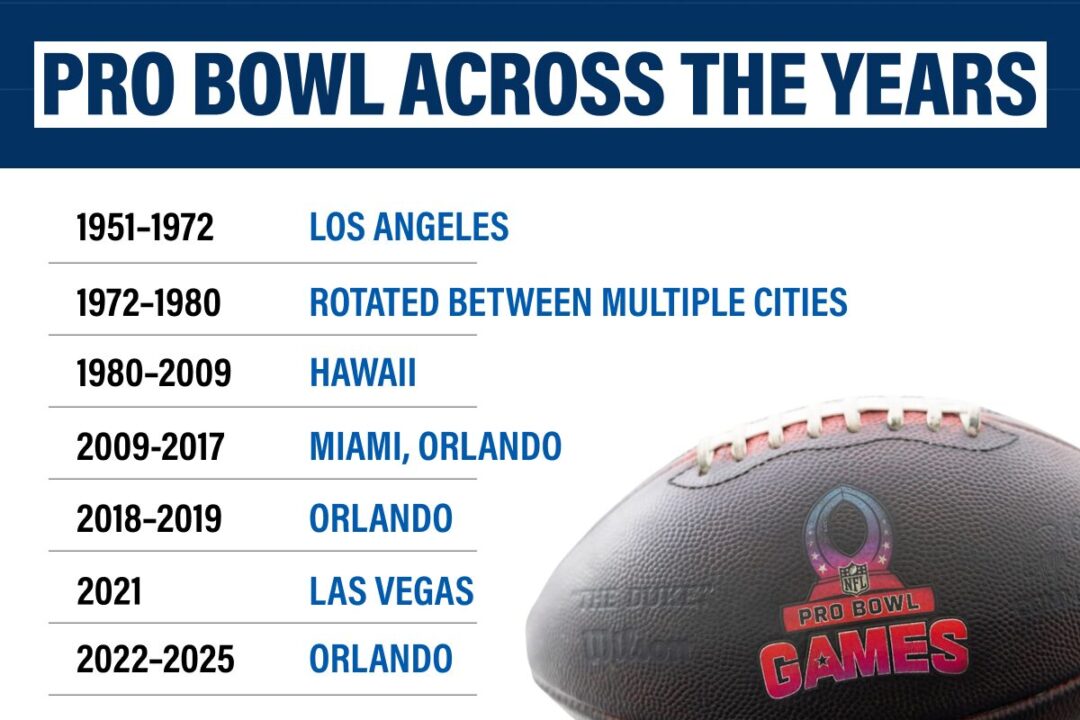
Officials estimated that the Pro Bowl Games generated about $45 million in economic impact during the first four years that Orlando hosted the event at Camping World Stadium. That was $45 million combined across four years, not $45 million every year. Even so, it was a significant amount for an event that took place over just one weekend each year.
Imago
Pro Bowl courtesy: Imago
The 2025 Pro Bowl also drew visitors from outside Central Florida, with some fans traveling from states as far away as Missouri. Others planned their entire Orlando vacation around the football weekend, combining the Pro Bowl with trips to the city’s famous theme parks.
Orlando had also previously projected that a Pro Bowl week could generate between $60 million and $100 million in economic activity, fueled by hotel bookings, restaurants, and visiting fans. Meanwhile, Hawaii reported $28.6 million in visitor spending, 18,800 Pro Bowl-specific visitors, and $2.9 million in state tax revenue from the 2009 event.
All of this shows how a major sports event can benefit more than just the stadium. Fans don’t simply spend money on tickets. They also pay for hotels, restaurants, shopping, transportation, and tourist attractions, creating a ripple effect across the local economy. However, there was also a warning sign.
The same reporting that cited the $45 million figure found that at least one nearby restaurant had seen fewer customers in the most recent year. Rising food prices and other business costs were partly responsible. Those higher expenses also left families with less money to spend on dining out and other activities.
So, even before the NFL decided to end the Pro Bowl Games, there were signs that the event’s economic benefit for local businesses was starting to weaken. That may have been one of the factors that eventually caught the NFL’s attention.
The reasons that may have forced the NFL to move away
The Pro Bowl stayed on the NFL calendar for decades because the league had good reasons to keep it. But over time, fan interest declined, and the NFL kept changing the format in an effort to make the event more exciting.
The league tried several ideas:
- Moving the event to different cities
- Letting players pick their teams through a draft-style format
- Adding skills competitions
- Replacing tackle football with flag football
But none of those changes solved the main problem.
Players still wanted the honor of being named a Pro Bowler. They just didn’t necessarily want to play in another competition after a long and physical NFL season. That difference helps explain why the NFL is now making two major changes.
Point 1: Keep the Honor, Remove the Event
The biggest thing to understand is that the NFL isn’t getting rid of the Pro Bowl name. It’s getting rid of the Pro Bowl event itself.
Under the new format, the league will simply name 88 Pro Bowl players each year.
The players will still be selected through votes from:
- Fans
- Coaches
- Fellow players
So, being named a Pro Bowler will remain an important individual achievement.
- What stays?
The Pro Bowl honor stays. Players will still be able to call themselves Pro Bowlers, which can matter for their reputation, marketing opportunities, résumés and even future Hall of Fame discussions.
- What goes?
The actual event goes away.
There will be:
- No AFC vs. NFC game
- No flag football game
- No major skills competition
- No separate Pro Bowl weekend
Instead, the 88 selected players will receive official recognition and a personalized keepsake. They will also attend an in-person celebration during Super Bowl week in Los Angeles.
The NFL is also getting rid of alternates.
Only the original 88 players selected will officially be considered Pro Bowlers. That’s an important change because, in recent years, so many players skipped the event that replacements were regularly added. Over time, that made the honor feel less exclusive.
So, the NFL’s basic idea is simple: preserve the prestige of being selected to the Pro Bowl without the cost and logistical challenges of organizing an entire football event.
Point 2: Give Up Some Money to Save More Money
Ending the Pro Bowl event does mean the NFL will give up some revenue that came from hosting it.
That includes:
- Ticket sales
- VIP and hospitality packages
- Local sponsorships
- Merchandise sales
- Some TV and programming opportunities
- Money spent by fans in the host city
At the same time, the league will save a significant amount by no longer having to put on the event.
A live sports event requires the NFL to spend money on stadium operations, production, travel, security, marketing, and plenty of other expenses. There was another challenge: getting top players to participate.
After a long, physical NFL season, many players simply didn’t want to take part in another competition. Even flag football carried some level of physical risk, while the event itself had relatively little at stake. That created another issue.
When star players skipped the Pro Bowl, the NFL had to bring in replacements. Over time, the list of Pro Bowlers became less impressive because players who weren’t originally selected could earn the honor simply because they were available to participate.
By eliminating alternates and recognizing only the original 88 selections, the NFL hopes to make the honor more meaningful again.
In the end, the NFL’s decision to end the Pro Bowl event isn’t simply about getting rid of a game that had lost some of its appeal. It’s a business decision. Put simply, the NFL isn’t killing the Pro Bowl. It’s removing the game and keeping the honor.