
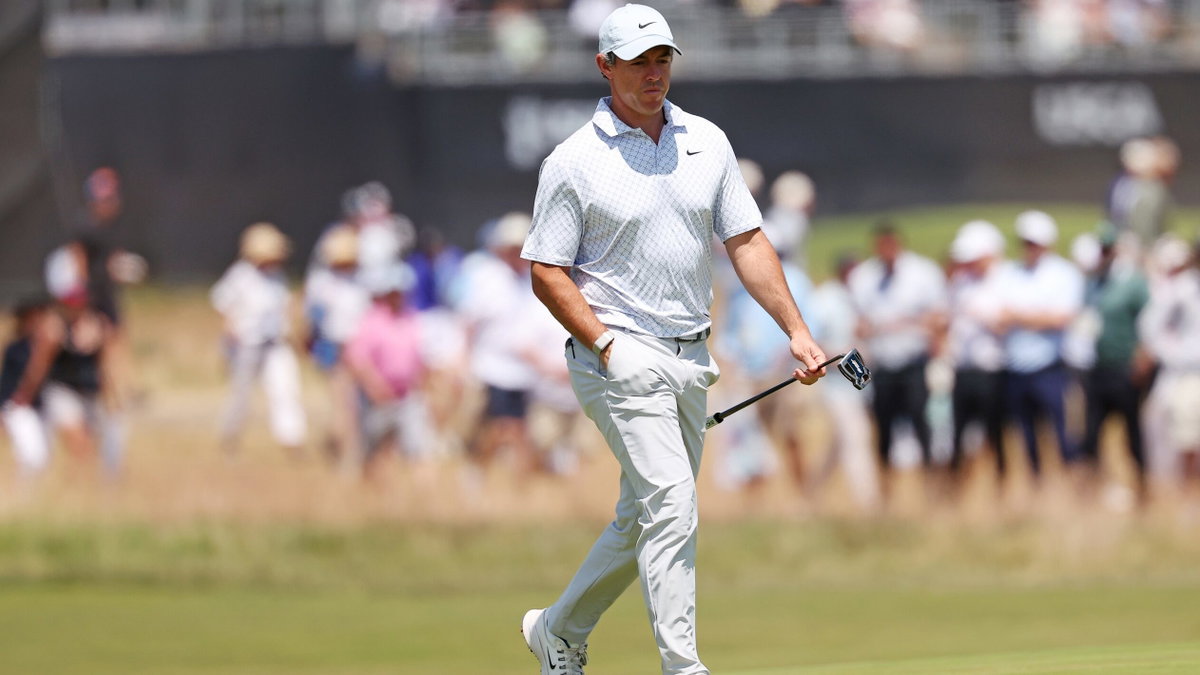
For months, the PGA Tour’s leadership has been exploring ways to reshape the future of professional golf. That process reached a major milestone this week when the Tour officially approved its new 2028 competitive model, a plan rooted in the Tiger Woods-led Future Competition Committee’s vision of a merit-based, two-tier structure. With the proposal now moving from concept to reality, Rory McIlroy has offered his verdict on the sweeping changes.
Watch What’s Trending Now!
“Today’s announcement is a positive step for professional golf. As more details emerge, it is encouraging to see the PGA Tour reaffirming the importance of meritocracy and creating a structure that will serve both players and fans well into the future. I’ve always been proud to compete around the world, and the collaboration between the PGA Tour and DP World Tour is one founded in the betterment of the game globally. The commitment to elevate some of these historic international tournaments and national opens is incredibly important for the game and something I’m very supportive of,” Rory McIlroy said in a statement, as reported by Golf Channel.
“Over the last few years, golf has faced a period of uncertainty and division, which has not been in the best interests of the players or the fans of the game. Today, we are putting the fans first, and I am excited about the future of our sport.”
The PGA Tour’s board approved the new competitive model on Monday, June 22, 2026, and unveiled it on Tuesday. This new structure divides the calendar into two tiers. One is the Championship Series that will feature around 23-24 events. It will include the four majors, the Players Championship, the Tour Championship, the Presidents Cup or the Ryder Cup, the Signature Events, and others.
The Championship Series is expected to run from approximately February through August, with 120-player fields and minimum purses of $20 million. According to the PGA Tour, it is designed to bring the game’s top players together more frequently while creating a clearer season-long narrative.
Then comes the second tier, the Challenger Series, which will serve as the development or promotion track. It will serve as the pathway for professionals seeking promotion to the Championship Series.
A statement from Rory McIlroy: Today’s announcement is a positive step for professional golf. As more details emerge, it is encouraging to see the PGA Tour reaffirming the importance of meritocracy and creating a structure that will serve both players and fans well into the Show more


The @PGATOUR unveiled a new competitive structure on Tuesday that will begin in 2028 and feature a two-tiered system – a Championship Series for the game’s elite players and a Challenger Series that will be the primary pathway to the upper track. The Championship Series will

Running alongside the top tier, the Challenger Series will feature a minimum of 20 events with purses of at least $4 million and fields of up to 144 players. More importantly, it will introduce a formal promotion-and-relegation system, with at least 20 players moving up to the Championship Series each year, while players who fall below the retention threshold in the top tier risk losing their status.
While Rory McIlroy is showing complete support for this tiered model, he did hint at one significant concern when he last spoke about it. Speaking to the media ahead of the US Open 2026, the Northern Irishman said that he liked the pre-LIV structure much more. And although he was supportive of the new model, he was worried about the future of the 2nd tiered events.
“I just think there’s going to be certain events that might lose their stature if a sponsor doesn’t pony up $30 million,” McIlroy said. “So that’s the tough thing.”
He even went on to say that the 2nd tiered events (the Challenger Series) will become something like a “glorified Korn Ferry event.” That’s something he doesn’t want to happen at many events, which are not big but hold great historical value and significance.
His concerns are genuine because that’s exactly what happened with the Rocket Classic. The Rocket Companies brought golf to Detroit but ended its 13-year partnership with the PGA Tour because it didn’t want to remain in Tier 2 events. And it didn’t want to spend $30 million to be in Tier 1 either.
But while Rory McIlroy and some others are supportive of the model, there are critics, too. Nick Taylor, for instance, was outspoken about it during the RBC Canadian Open 2026. The media asked him how he would feel if he couldn’t play in his national Open simply because he is not eligible to play Tier 1 or Tier 2 events. “That would certainly suck,” the Canadian professional said in response.
Eddie Pepperell also voiced his concerns. The English golfer warned that concentrating more attention and resources within the PGA Tour ecosystem could have unintended consequences for international circuits and events outside the United States.
Concerns from these players show that support for the new structure is far from unanimous. Even McIlroy previously expressed reservations about how historic tournaments could fit into the new landscape. Yet with the PGA Tour now finalizing its long-term vision, he has publicly backed the model’s emphasis on meritocracy, promotion, and clearer competitive pathways for players.