
Imago
Tiger Woods, Brandel Chamblee Credit: Imago
Imago
Tiger Woods, Brandel Chamblee Credit: Imago
There are more questions than answers about Tiger Woods’ most recent crisis, and not just about what happened behind the wheel. After his rollover crash in Florida, the 15-time major champion pleaded not guilty to DUI charges and took a break from golf to get treatment, but one thing still stands out. Woods refused a urine test after registering a 0.000 breathalyzer reading. This means that there is no clear toxicology evidence on record, and people are now questioning what more the authorities could have or should have done.
Watch What’s Trending Now!
Speaking on Indo Sport Golf, Chamblee did not mince words. “What stands out to me is the lack of definitive testing. My understanding was that if someone refuses a breathalyzer or urinalysis, authorities typically obtain a court order to conduct a blood test.”
“That’s what I expected here, especially considering that in 2017, multiple medications were found in his system under similar circumstances. From what we know, no blood test was conducted this time, which leaves a major gap. Without that, it is difficult to see how there can be any conclusive determination of what, if anything, was in his system. And given that hydrocodone pills were reportedly found on him, it naturally raises further questions.”
The concern is backed by Woods’ past DUI arrest. When Woods cooperated in 2017, five substances were found in his system. This time, though, he refused, and Sheriff Budensiek confirmed deputies “will never get definitive results with what he was impaired on.” And while Florida’s Trenton’s Law punishes the refusal as a first- or second-degree misdemeanor, it does not compel a blood draw in its place. That is the gap Chamblee could not move past.
It is widely known that deputies saw Woods’ bloodshot, glassy eyes, large pupils, and excessive sweating. Reportedly, Woods confessed to taking medications that morning after police found two hydrocodone pills in his pocket. However, without a blood test, nothing is clear in court, even as his refusal remains indicative of guilt.
Speaking on the matter, Lawrence Meltzer, an attorney who specializes in DUI cases, said: “Can they go forward without having any evidence of what the substance is? Meaning, they have no alcohol, and then technically they have no drug.”
Meltzer also said that if the state doesn’t go through with the DUI charge, Woods might be offered a deal to plead guilty to the refusal charge, which has fewer penalties than the DUI charge.
Another attorney, Ted Hollander, also talked about the key missing evidence, saying, “There could be admissions, there could have been something found in the vehicle, but if there’s no admissions and nothing found in the vehicle and no urine test, they’re going to have a difficult time proving the DUI charge,” Hollander said.
Imago
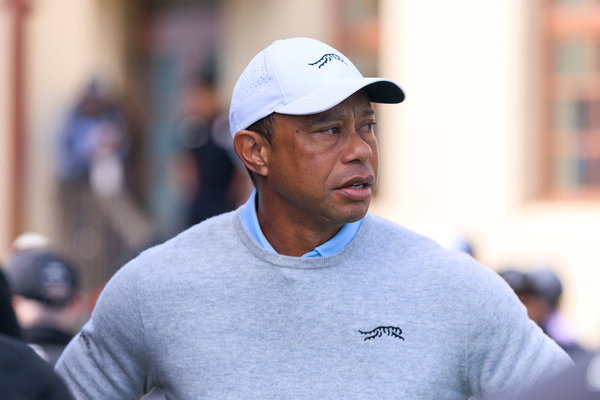
February 20, 2026, Pacific Palisades, California, USA: Tiger Woods at the 2026 Genesis Invitational Golf Tournament on Friday February 20, 2026 at the Riviera Country Club in Pacific Palisades, California. JAVIER ROJAS/PI Pacific Palisades USA – ZUMAp124 20260220_zaa_p124_014 Copyright: xJavierxRojasx
Now, Chamblee’s reaction did not come out of nowhere. His criticism of the golfer stretches back years and has rarely been gentle.
In 2013, he graded Tiger Woods an “F” despite five tournament wins that season, citing a rules violation at the Masters as an ethics concern. By 2018, he escalated that view, arguing Woods had gotten the least out of his talent of any player in history – a shocking claim about someone with 15 majors.
Then, just days after the March 27 crash, Chamblee told Golf Central plainly, “Why would he need to play golf anymore? Consider not playing golf anymore.”
On the same podcast, the analyst said that at 50, if Woods keeps pushing his body, the injuries and surgeries will only compound, and once that cycle starts, it becomes nearly impossible to exit.
Amid all the scrutiny, the Big Cat has decided to take some time off as all wonder whether Woods will see jail time.
Attorney shares his stance on Tiger Woods’ future
Innocent until proven guilty is one of the backbones of law across the world, and shall apply to Woods as well. Lawrence Meltzer further argued that if the case were to go to trial, then Woods would be treated like any other person.
“I don’t think they would alter the manner in which they prosecute based on who a person is,” Meltzer said. “I think they will treat him like John Smith, like any other citizen, and do what is legally required of him and what they are ethically permitted and able to do,” Meltzer said.
However, going beyond that and after analyzing past incidents, Meltzer believes that the golfer is still not likely to see jail time.
Now, the next court date for Woods is May 5. Douglas Duncan, Woods’s lawyer, filed a waiver of arraignment, which meant that Woods wouldn’t have to go to court for the first hearing. Woods is also asking for a jury trial in the Martin County court.
Written by

Edited by

Shreya Singh