
Essentials Inside The Story
- Why Rory McIlroy believes golf's biggest financial boom came at a hidden cost.
- The growing concern surrounding one of the sport's oldest tournaments.
- How the PGA Tour's next major overhaul could reshape the path to the top.
When Arnold Palmer won the Canadian Open in 1955 for the first PGA Tour title of his career, the tournament’s value had little to do with prize money. Like the U.S. Open and The Open Championship, national opens were viewed as pillars of the sport’s history, attracting elite players because of prestige rather than financial incentives. More than 70 years later, the future of those legacy events has become one of the biggest talking points in professional golf.
Watch What’s Trending Now!
The PGA Tour officials are evaluating a formal “Track 1” and “Track 2” structure for 2028. Under proposals discussed by CEO Brian Rolapp, the top tier would feature 15 to 18 premium events, while the second tier would serve as a pathway for players attempting to earn or regain elite status. There is a chance that the RBC Canadian Open might fall into the second category. Rory McIlroy, who has won the tournament twice, argued that LIV Golf’s arrival triggered a domino effect that now threatens tournaments such as the RBC Canadian Open.
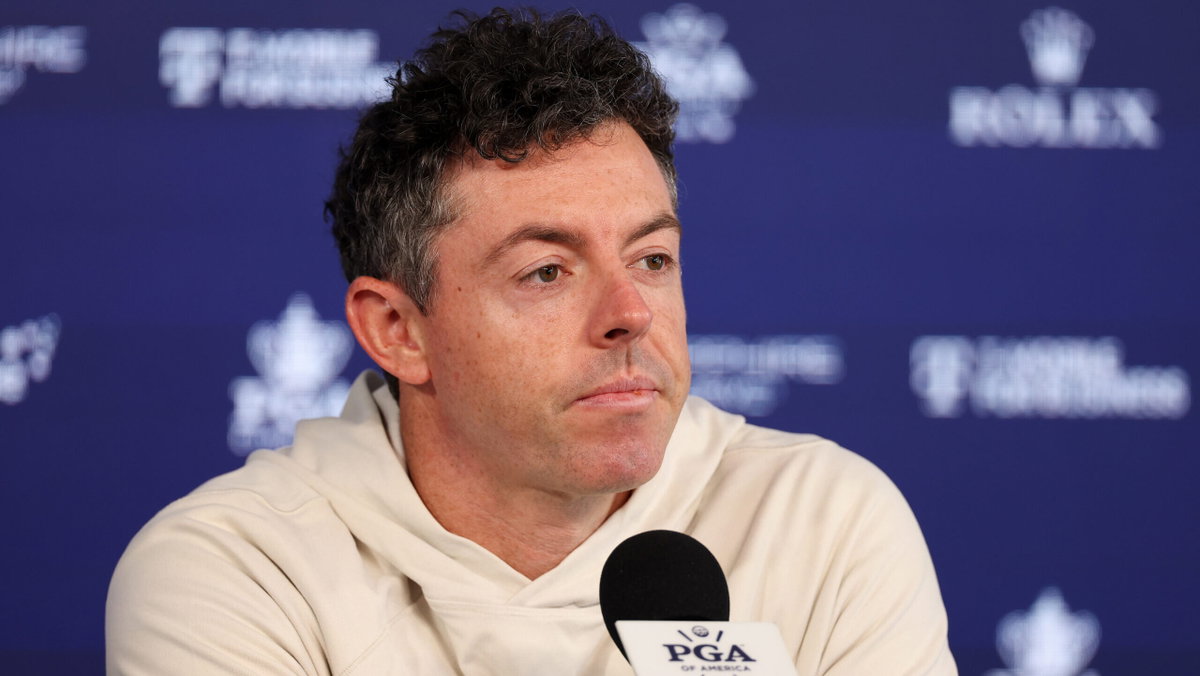
“An event like last week’s, the Canadian Open, is potentially going to one of these track twos. Track 2 is a glorified Korn Ferry event. So I don’t think the Canadian Open should be one of those,” Rory McIlroy said at the 2026 U.S. Open presser. “I think, as they’ve done all this work, you start to realize that the way the Tour was before LIV came along was actually pretty good.
“LIV created this false economy where we had to up prize funds and had to cut fields and try to support the top players and all that stuff, which I think needed to happen because that was the only way to retain talent at the time. But now that LIV looks like it’s less of a threat, I think the old ways of the PGA Tour weren’t actually that bad.”
Concerns over the commercial impact of a two-tier structure intensified lately after Rolapp hinted that’s the impending reality. Golfweek’s Eamon Lynch cited insider sources to report that top pros will be actively discouraged to participate in Track Two events. The officials want top players to tee off in all the marquee Track One tournaments.
While McIlroy didn’t tee off at the RBC Canadian Open last week, he has played the event five times in his career. In fact, the Ulsterman has been a vocal supporter of historic national opens across the globe. He teed off at the 2026 Crown Australian Open amid huge fanfare. In fact, McIlroy holds a rare record as well.
The six-time major winner has seven different national open titles under his belt. Aside from the U.S. Open and The Open, he has also won the Hong Kong Open and the Australian Open. So Ulsterman’s support for the Canadian national championship, which boasts a century-old history, is hardly surprising.
Canadian players have also been among the most vocal critics of the proposal. Nick Taylor warned that restricting elite players to Track 1 tournaments could fundamentally alter the identity of national opens.
“That would certainly suck,” Taylor said during the RBC Canadian Open when discussing the possibility of the event falling outside the top tier. “I wouldn’t love that certainly.”
Corey Conners echoed those concerns. “I’m really passionate about this event. I care a lot about this event. The Open factor, you know, it’s always been nice to have 21 Canadians—give some young Canadian players an opportunity to play at such an elite event.”
Rolapp has defended the concept as a way to restore competitive meritocracy after several years of limited-field signature events. The veteran executive explained at the Memorial that a limited number of smaller-field no-cut events have destroyed the “competitive consequences.” However, the concern extends beyond player participation.
Imago
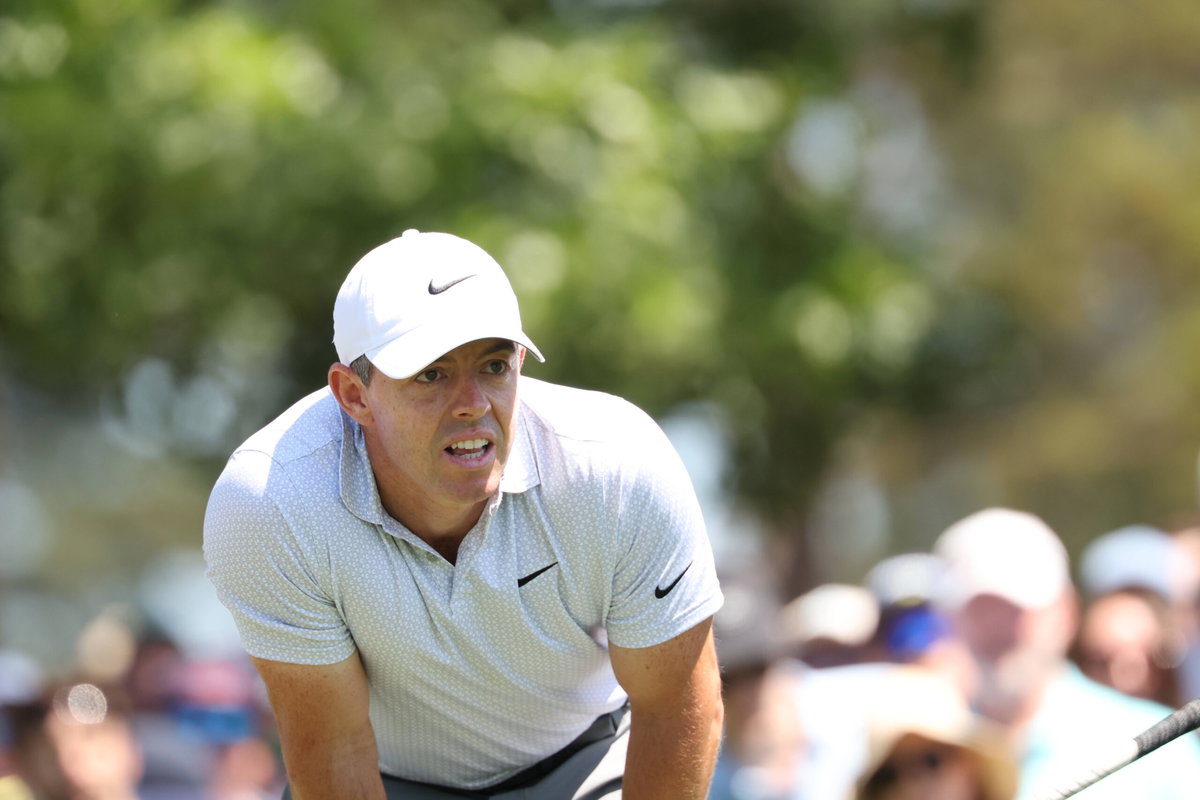
Ireland s Rory McIlroy during the day 2 of the 2026 Masters golf tournament at the Augusta National Golf Club in Augusta, Georgia, United States, on April 10, 2026. Noxthirdxpartyxsales PUBLICATIONxNOTxINxJPN aflo_326531319
Under the framework being discussed, Track 1 events would carry purses of at least $20 million, roughly double what many PGA Tour tournaments offered before LIV Golf’s arrival. Since 2022, the PGA Tour has nearly doubled its purses at several marquee events, expanded player compensation programs, and secured outside investment to support rising costs as it fought to retain top talent.
Rory McIlroy’s stance is notable because few players were more vocal in defending the PGA Tour during LIV Golf’s rise. Four years after LIV Golf’s arrival reshaped the economics of professional golf, he now believes the Tour faces a different challenge: preserving the relevance of historic tournaments while adapting to the new financial realities that the rivalry created.