
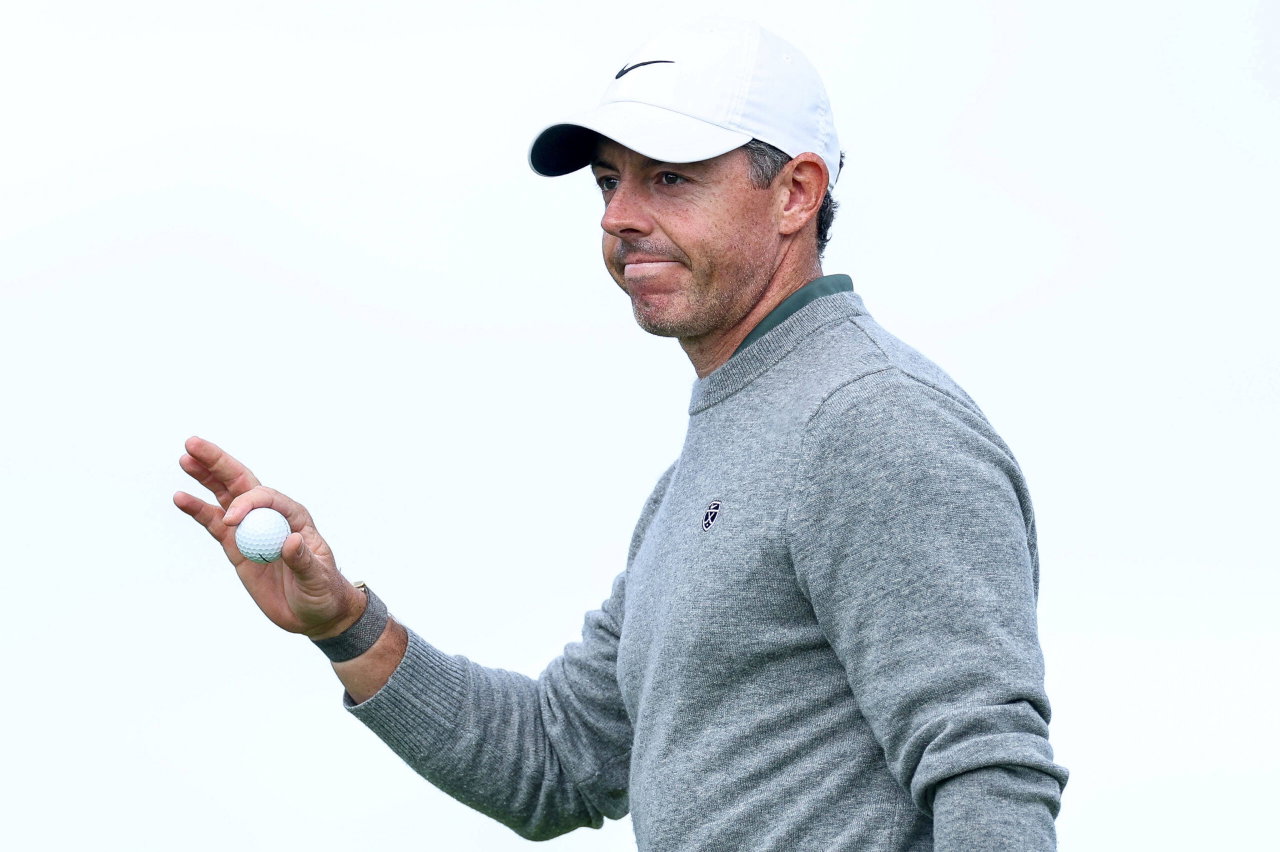
Kevin Kisner’s criticism of Rory McIlroy’s visit to India has sparked a debate over appearance fees, golf’s global growth, and how honest professional golfers should be about their financial motivations. However, Golf’s Subpar offered a more nuanced take, questioning why McIlroy’s reported payday has become such a contentious issue in the first place.
Watch What’s Trending Now!
“I have no problem with appearance fees. I’ve never understood what the big deal is on the PGA Tour if people get appearance fees. There are ways around all these things, like the DP World Tour and other tours. You’ve always been able to get paid. Tiger Woods would get five times the purse to go play down in Australia back in the day,” Colt Knost said on the Golf’s Subpar podcast.
Knost then went on to clarify why he does not consider it a problem for Rory McIlroy or any other golfer to get appearance fees.
“I wouldn’t give a damn if 3M said, ‘You know what, Xander Schauffele, we really want you to come play our tournament. We’re going to give you a million bucks.’ I don’t think other players should get mad about that. He’s going to have to do some stuff for that organization. I don’t care about appearance fees. I do have a problem with saying, like, ‘The only reason I’m here is to grow the game.’ Like, let’s just be honest.”
The controversy began after Rory McIlroy spoke about expanding golf’s reach in India during his visit for the DP World India Championship 2026. Kisner, an NBC analyst, was unconvinced by the Northern Irishman’s explanation and suggested the financial reward was the real reason for the trip.
Speaking on the Fore Play podcast, Kisner dismissed McIlroy’s stated motivation in unusually blunt terms.
“That is such a dog s–t comment, but I guess for the right price, we could all say that comment [about growing the game],” Kisner said.
He also claimed that McIlroy was primarily interested in the financial reward, adding, “He doesn’t want to globally expand in India; he wants to get his $10 million bucks and go play in India.”
McIlroy subsequently defended his position, arguing that financial incentives and a genuine interest in developing golf in a new market could coexist. The Golf’s Subpar discussion took a similar view.
The comment was not a direct response to Kisner’s personal reaction to Rory McIlroy. Instead, it reflected a broader argument: paying a leading golfer to draw attention to an event is common in professional sports.
Kisner’s argument also included an important qualification that can easily get lost in the controversy. He acknowledged that he would have accepted the same opportunity himself.
Colt Knost did not offer an outright defense of everything McIlroy said.
A globally recognized star brings a different commercial value to an event than a less familiar competitor. That’s one of the reasons why organizers are willing to pay for that distinction.
The discussion also touched on how the phrase “grow the game” has been used in golf’s wider commercial battles, particularly in conversations about LIV Golf.
But Rory McIlroy was not the only star receiving an appearance fee in India.
GOLF.com reported that other marquee players, including Tommy Fleetwood and Justin Rose, received appearance fees for the India event. However, none of their individual payments were publicly disclosed.
That broader context supports the argument that tournament organizers may pay leading players to strengthen an event’s appeal. Their value can extend beyond their four-round performances. This is especially true when they participate in promotional activities and engage with fans.
And this is not the only event. It was reported that Rory McIlroy was paid to play in the Australian Open, too. The result was more than what the organizers would have thought of. Office workers and even students had bunked their daily routines to watch the 37-year-old play at Royal Melbourne.
Colt Knost even reminded that many other professionals, including Tiger Woods, used to get appearance fees. In fact, he said that Woods used to get five times what he could have potentially earned through purses to just show up and play in Australia.
McIlroy’s visit may have offered Indian fans the chance to watch one of golf’s biggest stars, while the tournament also provided a competitive stage for the wider field. Eugenio Chacarra ultimately won the championship by 21 under par, moving above McIlroy and Patrick Reed to top the Race to Dubai standings.
Kevin Kisner was entitled to question the explanation behind the trip, and Rory McIlroy was entitled to argue that financial reward and a genuine interest in growing golf could coexist.