Imago
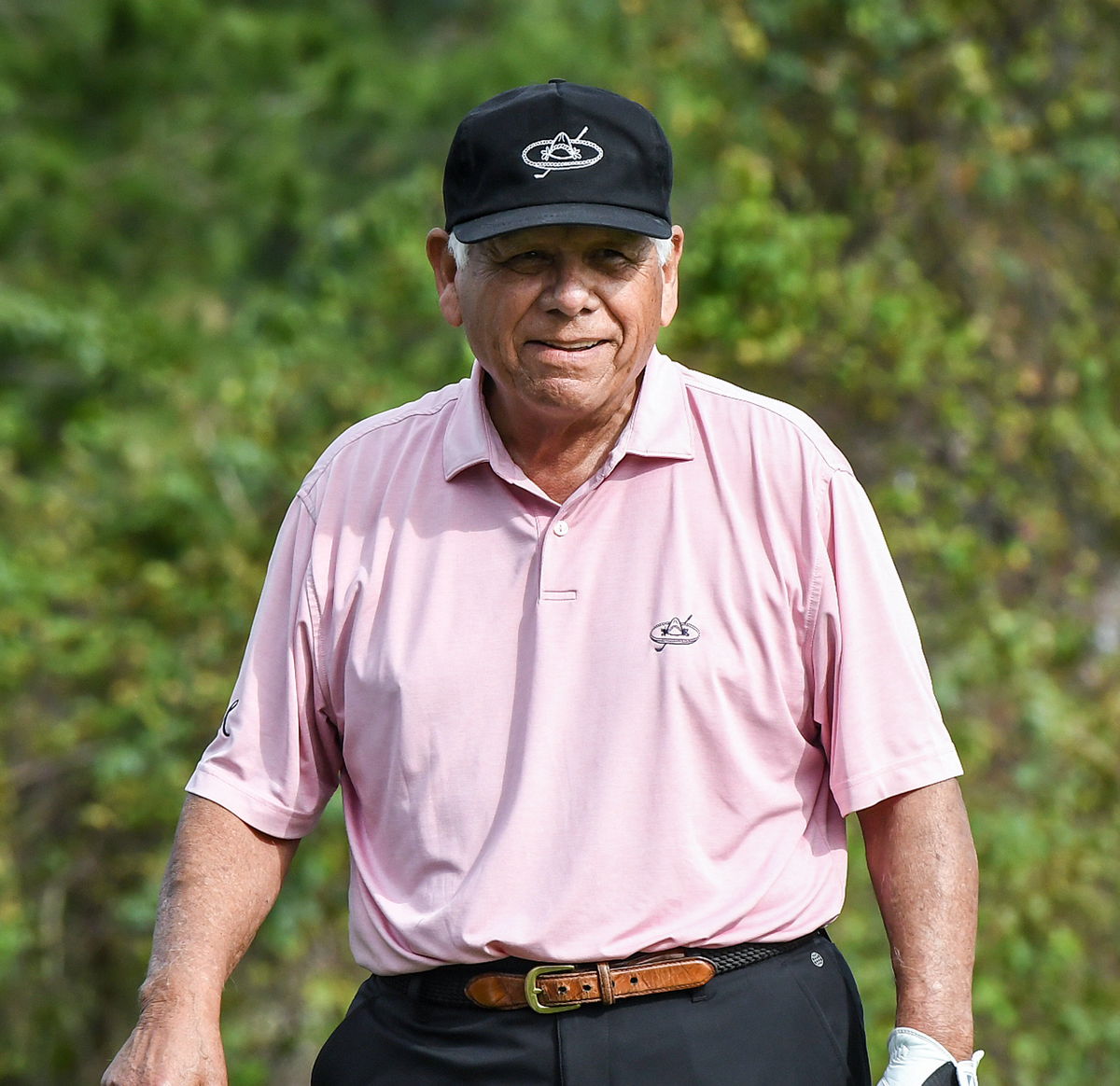
December 17, 2022, Orlando, Florida, United States: Lee Trevino waits to tee off on the tenth hole during the first round of the 2022 PNC Championship at The Ritz-Carlton Golf Club in Orlando. Orlando United States – ZUMAs197 20221217_zaa_s197_132 Copyright: xPaulxHennessyx
Imago
December 17, 2022, Orlando, Florida, United States: Lee Trevino waits to tee off on the tenth hole during the first round of the 2022 PNC Championship at The Ritz-Carlton Golf Club in Orlando. Orlando United States – ZUMAs197 20221217_zaa_s197_132 Copyright: xPaulxHennessyx
Imago
December 17, 2022, Orlando, Florida, United States: Lee Trevino waits to tee off on the tenth hole during the first round of the 2022 PNC Championship at The Ritz-Carlton Golf Club in Orlando. Orlando United States – ZUMAs197 20221217_zaa_s197_132 Copyright: xPaulxHennessyx
Imago
December 17, 2022, Orlando, Florida, United States: Lee Trevino waits to tee off on the tenth hole during the first round of the 2022 PNC Championship at The Ritz-Carlton Golf Club in Orlando. Orlando United States – ZUMAs197 20221217_zaa_s197_132 Copyright: xPaulxHennessyx
Essentials Inside The Story
- Learn from the other players
- Have a Purpose for everything
- Get out of your Comfort Zone
Lee Trevino, the captain of the U.S. Ryder Cup team in 1985 made more than $1 million in his debut season on the Champions Tour. Having won six Major titles, Trevino remains one of the most respected voices in golf. He still practices every day at 85, which is testimony to his passion and dedication. The Hall of Famer doesn’t believe in chasing flawless mechanics; rather, he advocates for smarter golf. And his trunk is full of advice that can make anyone’s golf game unbeatable.
Watch What’s Trending Now!
It was a typical winter morning in Punta Mita, Mexico, as Trevino pulled up on a golf cart alongside his son, Daniel, and joked that he wouldn’t share any secrets. Daniel immediately understood his dad was simply playing around. What happened next was a “Warming Up” session with Golf.com. In that session, he shared insights from a lifetime of perfecting the game.
Let’s catch up on the quick five timeless tips from the PGA champion!
1. Keep practicing even if you’re older
The most important tip from the British Open winner was simple: never skip the range sessions. And it’s not just theory, he himself follows that formula to date. Trevino doesn’t take days off. Ever. He joked that most people his age are already gone, but that reality only sharpens his dedication. Every morning, he walks to the range for two hours. Not because he’s preparing for competition. Not because he needs to prove anything. Because golf defines who he is.
He was very clear that people get older, joking that “most people are in the ground when they’re 85,” but he won’t let age limit what he can do.


He believes that regularity is better than occasional intensity. Regular practice maintains your feel and confidence, no matter how old you are. The range isn’t just for people who want to play on tour; it’s where golfers of all ages stay connected to the game.
2. Every shot should have a reason
Hitting a ball randomly doesn’t do anything. Lee Trevino thinks that every swing should have a purpose. If you mindlessly pound the driver down the middle, you will only learn one thing: how to hit the driver down the middle.
“I don’t care what shot it is, it has to have a purpose,” he says. “And you’ve got to work the ball to the right, you’ve got to work the ball to the left.”
Lee Trevino’s logic is simple math. Aim 20 feet left for a fade. If it doesn’t curve, you’re 20 feet from the hole. If it curves perfectly, you’re next to the pin. If it curves too much (40 feet), you’re still only 20 feet away. But try hitting it straight and missing 40 feet right? Now you’re 40 feet from the hole with no backup plan.
3. Practice the shots you struggle with
Most golfers like to stay in their comfort zone. These shots feel nice and get you ready for about 30% of real golf. Trevino pushes players into uncomfortable terrain with the recovery shots that really save strokes when rounds get messy.

Imago
December 15, 2023, Orlando, Florida, USA: Lee Trevino tees off the 10th hole during the 2023 PNC Championship Pro-Am at Ritz-Carlton Golf Club. Orlando USA – ZUMAw109 20231215_fap_w109_036 Copyright: xDebbyxWongx
“It’s when you get in the trees on the right, and you can’t go down towards the flag,” he advised. “And you’ve gotta go across to the fairway to lay up.”
No one wants to practice punch-outs and weird escapes. They’re frustrating and feel unnatural. But real golf is always full of problems. You need to know how to change your grip for a low runner. Where to put the ball. How far away to stand? It doesn’t work to figure this out in the middle of the round. The range is where you practice when you don’t have to worry about anything, which will help you a lot in the long run.
4. Watch and Learn From Good Players
Coaches don’t always have to be the ones to teach. What’s Trevino’s word of advice? He wants you to learn from other legendary players. And then came a story about witnessing young Scottie Scheffler practice and play. The 85-year-old was amazed by Scheffler’s dedication, even when he was a junior. He was focused on putting, played for tiny stakes, and considered practice as preparation for the greatest level of golf.
He also shared that watching Scheffler’s habits taught him as much as any official lesson: devoted players prepare on purpose, picture themselves in competitive situations, and always work to get better. This advice tells golfers not only to practice but also to watch other players who are focused on competition and prepared.
5. Don’t try to completely change your swing
Full swing overhauls don’t often work. Lee Trevino has watched countless swings and knows that most players can’t fix their motion without making things worse. You own your swing. It’s in the way your body naturally moves the club. Most of the time, forcing someone into textbook stances doesn’t work.
“You own [your swing]. You’re not going to change it,” the HOF says. “It’s like trying to teach a guy to walk differently. It’s like trying to teach someone to talk differently. You can’t do it.”
Small changes can make a big difference. Adjust where your hands sit at the address. Change your stance width. These changes don’t completely change your motion; they make it better. Trevino’s method fixes the parts that don’t work while keeping the parts that do. Improving your golf game comes from making small changes, not big ones.
Lee Trevino’s message for golfers who want to get better for good is clear: practice with a purpose, focus on real-world problems, learn from others, and respect your own swing. These teachings will always be helpful, even if the game changes.
Related Newsletters