

Professional golf appears glamorous at the highest level. Prize pools of $20 million for the Signature Events and majors can be lucrative. But the road to getting there is proving too expensive for many players. Many struggling professionals playing the Korn Ferry Tour or the Hotel Planner Tour have highlighted this predicament. Now, comments from England Golf performance director Nigel Edwards emphasize the scale of the issue.
Watch What’s Trending Now!
“Yeah, and it’s happening every week. And it’s happening as an amateur golfer as well, where you can’t afford to do it. But that’s a fact of life, isn’t it? There’s no easy way out of that,” Edwards told Golf Monthly when asked if he knew any players who had to give up on their dreams. “Players have packed in the game because they’ve given it a go for x number of years and they haven’t progressed to where they needed to progress to.”
He was speaking shortly after the launch of England Golf’s Professional Development Program. The program helps golfers get tournament invites, so they don’t have to pay entry fees. This is extremely useful today, where the cost of playing golf is rapidly increasing. The uncertain global economy is further adding to that pressure. Even established golfers cannot escape the predicament, with Michael Kim sharing that he spent almost $100,000 on travel and accommodation during his 2024 PGA Tour campaign. The PGA Tour winner divulged his expenses on X last year, highlighting caddies, coaches, hotels, and equipment.
UK golf clubs are struggling with rising utilities, wages, maintenance, and business rates. Writing on the same, Golfshake noted that wage costs for on‑course staff rose by 9% in 2025. This took the average to over £300,000 per club in the survey. Ultimately, all of this pressure is passed down to golfers. They are the ones bearing it all through rising subscriptions, entrance fees, and other charges.
Many golfers have already spoken a lot about this. Korn Ferry Tour pro James Nicholas shared the numbers for playing the Bahamas Golf Classic at Atlantis. He paid $368 for the flight, $2,427 for the stay, $2,076 to loopers, and $1,222 for food and groceries. He finished 58th on the leaderboard with a score of 12-under par. This earned Nicholas $4,070 from the purse, leaving him with a net loss of $2,024.
Retired PGA Tour pro Kevin Chappell also described the grind of developmental tours on Golf’s Subpar podcast. He said that the question is not about who can succeed, but “can you make it to ‘when you make it’ and then see if you can make some money.” Australian pro Scott Hend spoke about his struggles despite making a hefty earning with his swing. He has amassed €6 million in DP World Tour earnings and 16 wins worldwide. However, he missed nine straight cuts in early 2022, which led to him burning through around $50,000 without making any money.
Then there’s the major champion Danielle Kang. While interacting with the media, she recounted the expenses at an LPGA tournament. Kang revealed that she made the cut and earned $6,000 at the event, but failed to break even after incurring costs for driving, a rental car, a hotel, and other travel expenses.
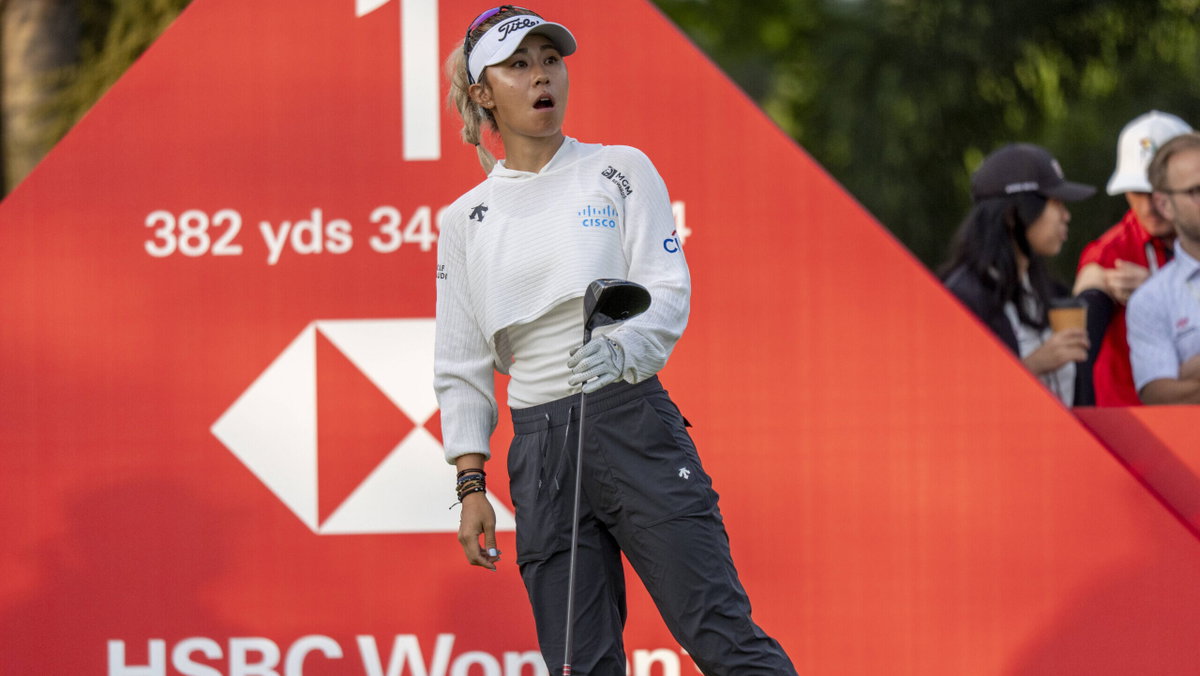
Imago
HSBC Woman s World Championship, WM, Weltmeisterschaft 2025 Danielle Kang Las Vegas, NV, USA on the 1st tee during the 1st round of the HSBC Woman s World Championship 2025, Santosa Golf Club, Singapore, Singapore, SGP. 27/02/2025 Picture: Golffile Steven Flynn All photo usage must carry mandatory copyright credit Golffile Steven Flynn Copyright: xStevenxFlynnx *EDI*
The grievances are reflected across all corners of the sport, with LIV Golf’s poster boy, Bryson DeChambeau, also delving into the depths of financial struggles.
“Anybody that is outside the top 165 on the money list is losing money every year,” DeChambeau stated on the Full Send podcast. “They don’t make money. They are losing money.”
While the Korn Ferry Tour and the Hotel Planner Tour still offer good purses, the path to them is much more challenging. This was made clear by Piers Berrington in a Golf Monthly interview. He said that a mini-tour week, like playing on the Clutch Tour, requires spending a lot to enter tournaments. According to him, the annual costs can run up to £40,000. A professional can start with that, but if he doesn’t play consistently, he will soon run out of money and have to give up.
From developmental circuits to the top-tier, breaking even in golf is becoming increasingly difficult, let alone earning a fortune. Even prodigies aren’t necessarily safe from being pushed out of the sport.
Ben Griffin’s rebirth as a golfer
Ben Griffin became a standout junior and college player at the University of North Carolina. He even broke the program record for career scoring average at 72.02. He then turned pro and started playing the PGA Tour Canada and the Korn Ferry Tour. However, he struggled with consistency.
He explained that the poor results led him to rack up about $17,000 in credit card debt. So, he decided to give up on his dream. Many like him disappear after turning pro, and many more who do so even before reaching the Korn Ferry Tour or the Hotel Planner Tour.
Luckily, he got another chance. He accepted an invitation to a member‑guest event at Highland Springs Country Club in Missouri. Despite not playing golf regularly before the event, he shot a round of 63. This reignited his passion, and he found angel investors among club members and friends. With the financial fear gone, he started rebuilding his golf career.
He returned to Q-School in 2021 and earned his PGA Tour card in 2023. Now, he has three PGA Tour titles under his name and $22,437,621 in official earnings. While Griffin got his second chance, most fledgling golfers don’t. To that end, initiatives like England Golf’s Professional Development Program can become a boon.