
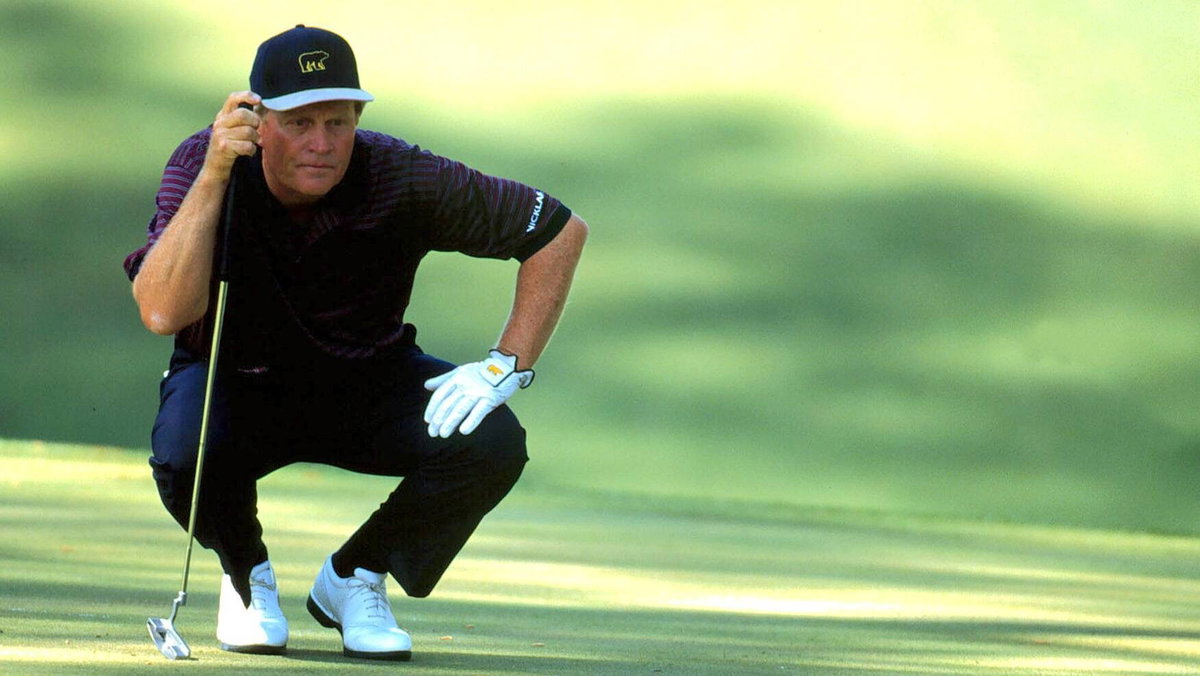
Jack Nicklaus has been saying the same thing about the golf ball rollback since 2018. Eight years later, standing at his own $20 million event, he is still saying it. The manufacturers are the problem. The players know it. And nobody wants to say it out loud.
Watch What’s Trending Now!
“Most of the reason why the guys will complain about the golf ball being brought back is because of the manufacturers,” Nicklaus said at the pre-event press conference. “The manufacturer complains to a player and says, ‘No, no, don’t you tell ’em that you want that golf ball rolled back, otherwise you aren’t going to be working for us.'”
On the course availability problem, he was equally direct: “We probably don’t have 20, 25, maybe 30 golf courses that are really of championship caliber, really, without fooling around with ’em. If the ball was brought back a little bit, we would have a lot more golf courses.”
Nicklaus has held this position for years.
In 2018, he said directly, “Titleist controls the game. If they make the best product, whether it’s 20 percent shorter, what difference would it make? Their market share isn’t going to change a bit.”
He also proposed a rated ball system back then: “If a guy wants to play with a 90 or 100 percent golf ball, it makes it shorter and faster for him to play.” He argued that rated balls would make shorter courses more playable again and actually generate more revenue for manufacturers, not less.
Imago
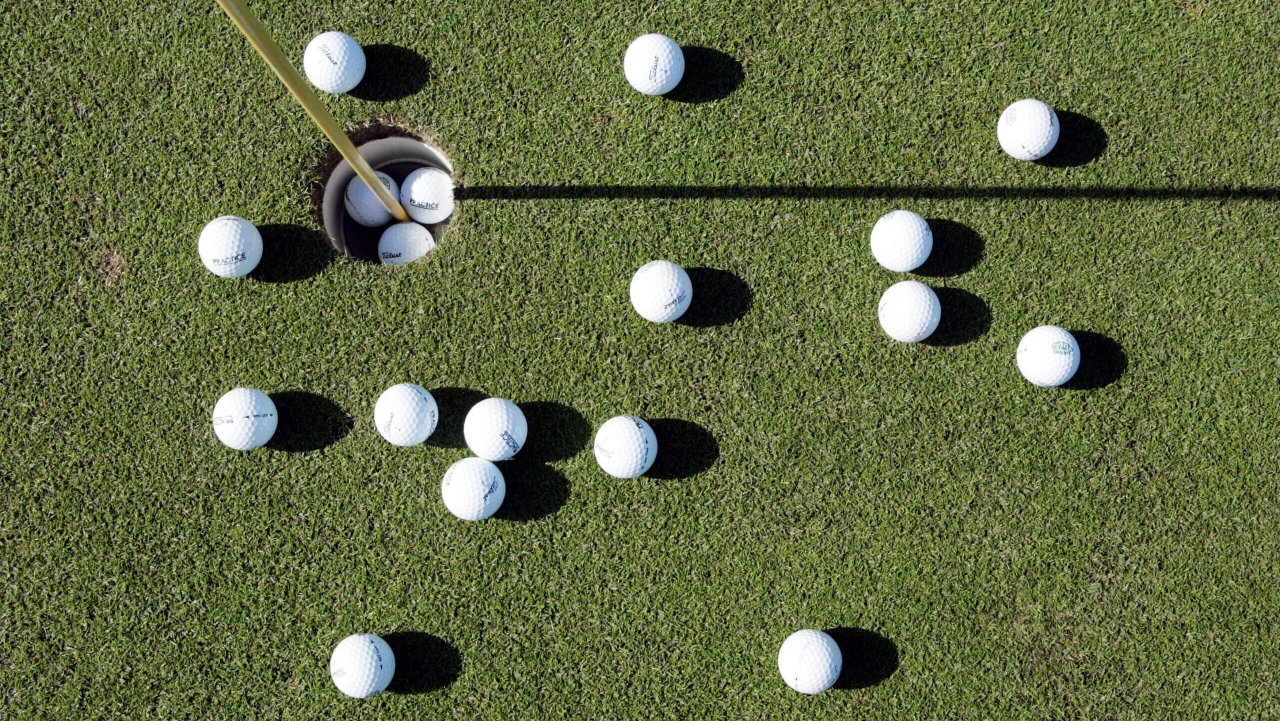
Practice Golfbälle auf dem Putting Green der Grand Cypress Academy of Golf in Orlando / Florida
Practice Golf balls on the Putting Green the Grand Cypress Academy of Golf in Orlando Florida
The manufacturers told a different story when they announced the rollbacks in 2023. As reported in Golf.com, Acushnet pushed back hardest, pointing out that clubhead speeds on Tour had actually been flat since 2017 and that the average course playing length on the PGA Tour had stayed under 7,200 yards every year since 2004.
TaylorMade called the decision “disconnected from what golfers believe is best for the game.” Bridgestone took the opposite stance, saying further debate was “no longer productive” and backing its engineering team to build the best ball under any parameter.
The rollback means golf balls cannot travel over 317 yards when hit by a robot swinging at 125 mph. Pros have to follow this from 2028, and regular golfers from 2030. Nicklaus’s case has always been that the manufacturers will benefit from these changes, not suffer from them. It’s not actual business logic that’s stopping us; it’s influence over players.
However, on the tour, the rollback is already producing some uncomfortable results.
Cameron Young is hitting it just as far with a rollback ball
Young switched to the Titleist Pro V1x Double Dot at the 2025 Wyndham Championship without knowing it had passed rollback testing. “It was just really me trying to optimize my golf, and it’s the ball that seems to work the best for me,” he said.
Before switching, Young averaged 302.7 yards; he still averages 302.7 yards in 2026. The USGA projected a 13- to 15-yard loss for elite players, but high-spin players like Young lose less. That quietly undermines the core distance argument of the governing bodies.
Adam Scott tested similar balls and reported only a two-yard drop. “I just feel like they are not going to achieve what they want to achieve the way they are going about trying to roll back the ball,” he said.
Lucas Glover cut straight to it: “It’s laughable that they think we use the longest golf balls available to us. Nobody hits the ball we can hit the furthest, we use a ball that’s the best all around.” Between Young’s data, Scott’s testing, and Glover’s reaction, the projected 13-yard rollback looks increasingly optimistic.