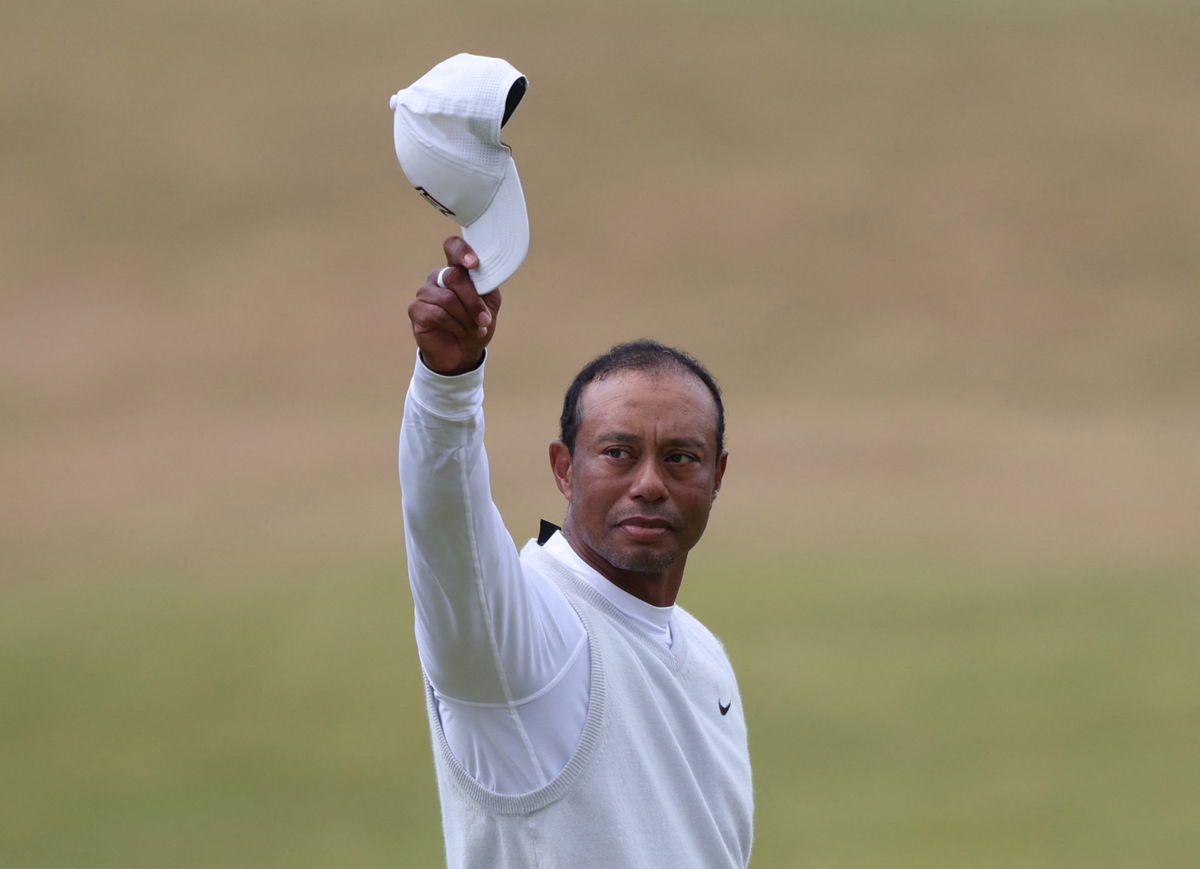
Tiger Woods and his intricate history with the Masters traces back to 1995. This event has seen it all: his amateur days, the roaring Tiger era, and his personal and medical ups and downs. Thus, while looking at his career highs (the five Masters wins), exploring his career lows is also necessary.
Watch What’s Trending Now!
The most significant of which remains his May 2017 arrest in Jupiter, Florida, which took place weeks after the 2017 Masters Tournament, which was a dark time for Woods as he was away from golf undergoing back surgeries and he“couldn’t walk or couldn’t sit.”
But why was the influential 82-time PGA Tour winner arrested? This was because of the then-existing suspicion of him driving under the influence, commonly referred to as DUI. The golf world GOAT denied the use of alcohol and blamed “an unexpected reaction to prescribed medications.”
Rules Guy, Masters edition: Revisiting Tiger Woods' controversial drop at the 2013 Masters https://t.co/cmXrucALUF
— Mullybox (@mullybox) April 9, 2024
In July of that year, Woods revealed that in his attempts to seek professional help, he “completed an out-of-state private intensive program.” After stretching for most of the year, the matter came to a resolution in October 2017 when the 15-time Major winner chose to plead guilty to reckless driving. His penance came in the form of a year of probation, a $250 fine, and additional litigation costs.
But was his arrest in 2017 the only time he faced the wrath of consequences due to his mistakes?
Rule breaches encountered by Woods at the Masters
The 2013 Masters must terrify the 5-time Masters champ to this day. His initial lead at the event was taunted when his almost-perfect wedge on par-5 Firethorn turned into horror after the ball struck the flagstick and went into the water.
Woods then chose to make a drop under Rule 26-1 (a) but bogeyed. After several rounds of discussions and deliberations, it was decided that the PGA Tour sensation would not be disqualified, but thanks to a newly instated Rule 33-7, he would instead be awarded a two-stroke penalty. Rule 33-7 gives the ruling committee the discretion to choose whether to DQ a player or not.
The Fred Ridley-led committee faced a lot of backlash for giving the GOAT special treatment. However, these claims were staunchly denied by the authorities, who said “even the last to qualify” would have been subjected to the same ruling. That year, Woods finished T-4 alongside Marc Leishman with a score of 5-under-par, 4 strokes behind the winner, Adam Scott.
Read More: Tiger Woods Sparks Outrage Among Fans Despite Latest Positive Masters Update: ‘Will Miss the Cut’
Written by

Edited by

Himanshu Sridhar