
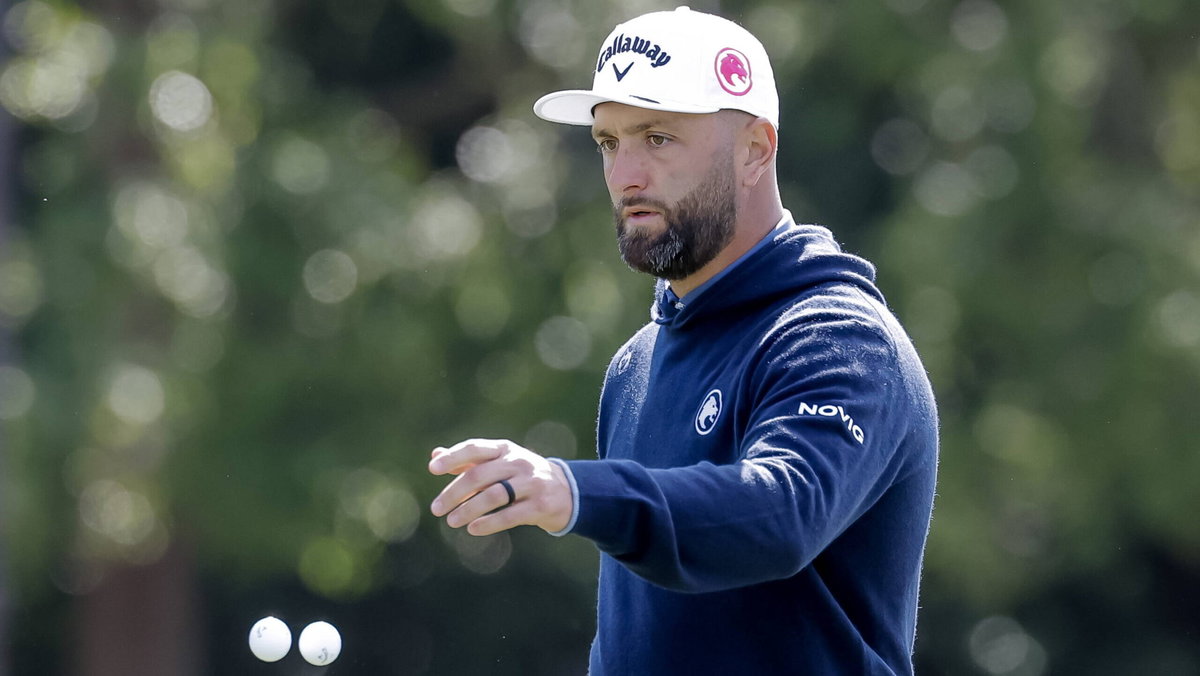
Three years ago, Jon Rahm left the PGA Tour while building a Hall of Fame career for a reported nine-figure deal with LIV Golf. The huge guarantee was supposed to make the decision an easy one. But this week, that certainty disappeared. LIV Golf filed for Chapter 11 bankruptcy protection in New Jersey, and a new detail shows how deep in trouble LIV’s A-listers are.
Watch What’s Trending Now!
According to Golf Digest’s breakdown on X, LIV Golf has between $500 million and $1 billion in total liabilities. The league’s bankruptcy filing also lists its biggest stars as unsecured creditors. Here is the part that should worry Bryson DeChambeau, Jon Rahm, and other top players the most: The money listed for Rahm and DeChambeau is not everything LIV owes them. Those figures cover only unpaid Q3 payments of 2026. What does it mean?
Rahm could still be owed more than that from his original contract. That money is now much less certain because LIV is asking the bankruptcy court to cancel its current player contracts. Under the proposal, Bryson DeChambeau, Jon Rahm, and other players would be offered new deals, which might not be palatable to any of them.
LIV’s plan to retain its biggest stars is simple:
- Instead of paying them what it owes them, the league wants to make them owners.
- Under the proposed LIV 2.0 plan, players who sign new deals would give up their old contractual claims in exchange for equity in the league.
- Players would collectively own a 52.5% stake after BC Partners’ restructuring deal is completed. Sounds lucrative, right?
Wrong! It is a huge gamble and not just because LIV has reportedly lost around $5 billion since 2021. Actually, players do not have to sign new LIV 2.0 contracts right now and can choose to leave. But leaving won’t guarantee they will receive the money remaining on their old contracts. In fact, Brooks Koepka is still owed a portion of his contract.
Because the players are unsecured creditors, they may ultimately recover only a fraction of what LIV owes them. As Golf Digest put it, the unpaid money could become a “fantasy.” Leaving would mean taking a huge financial loss in exchange for the chance to start again somewhere else.
Rahm is reportedly owed $7.47 million for 2026 alone, while Bryson DeChambeau is owed about $5.7 million. And that is only the money already due this year. It does not include the more than $100 million Rahm is reportedly still set to receive from his original contract.
As unsecured creditors, the players could have a hard time getting all the money they are owed. In bankruptcy cases, unsecured creditors often recover only a small part of what they are promised, and sometimes they get nothing.
LIV’s biggest financial backer, Saudi Arabia’s PIF, is also stepping away. PIF invested an estimated $5 billion in LIV but said in April that it would stop funding the league after 2026. PIF’s remaining role is a $49.6 million bankruptcy loan to help LIV stay alive during the restructuring.
BC Partners is now stepping in with up to $300 million in funding in exchange for a 45% stake. That means LIV is moving from a huge Saudi-backed model to a new and untested financial plan.
The PGA Tour also does not offer an easy way back.
Brooks Koepka left LIV following the 2025 season, but the PGA Tour has said it currently has no plans to give LIV players an automatic path back. If Rahm or DeChambeau leave now, they could face the same situation as Koepka. They would give up their guaranteed LIV money without knowing when or if they could return to the PGA Tour.
Staying with LIV comes with problems too. The DP World Tour has already started telling LIV players that their special releases will not continue after 2026. This could mean fines and suspensions for LIV players who compete on both tours from 2027. Rahm could face this problem too, even though he reached his own deal with the DP World Tour in May.
Rahm is a two-time major champion and still has some of his best years ahead of him. DeChambeau also has two major wins and has built a huge personal brand that does not depend on LIV anymore. For both players, regular competition against the world’s best could be more valuable than staying with a restructured league that has no proven track record.
There is no easy choice here. Both options could cost them. But after LIV’s bankruptcy destroyed the certainty that once attracted its biggest stars, the question for Rahm and DeChambeau is no longer just about the money. It is about whether they are willing to walk away from that money for a chance to rebuild their careers.