
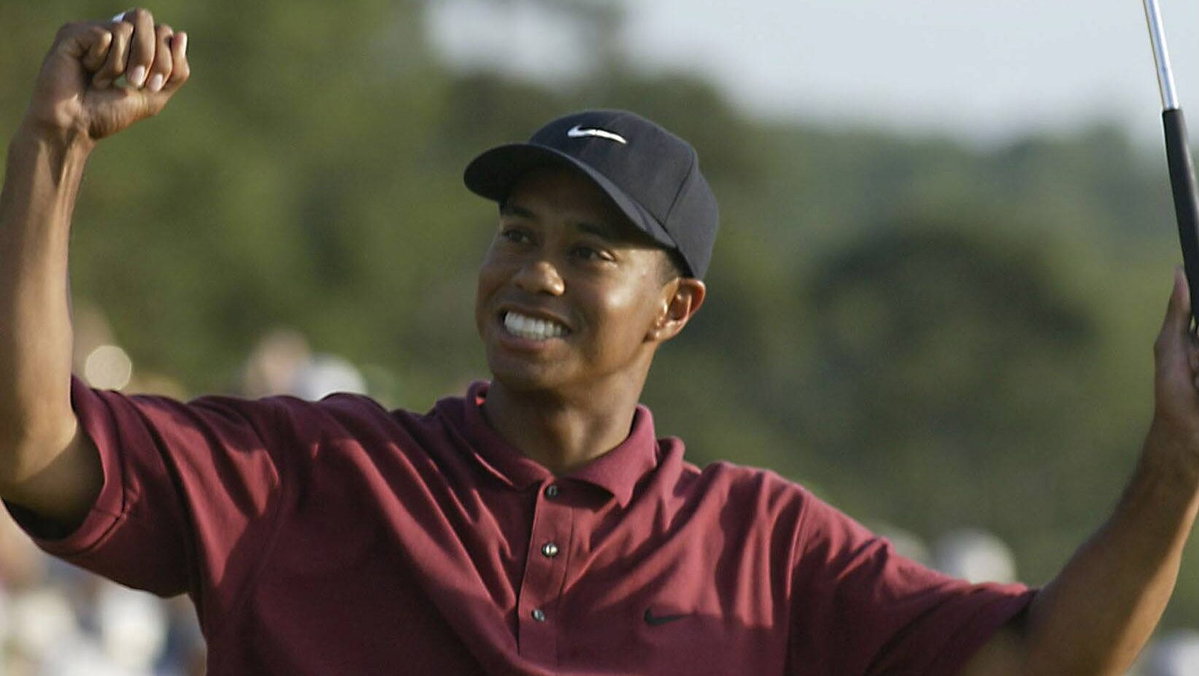
Crowds at PGA Tour events don’t move like they used to. When Tiger Woods was at his peak, fans showed up before sunrise, claimed spots at the first tee before 7 a.m., and stayed until his last putt dropped. They followed him for all 18 holes, packed ten deep along the ropes, drawn to him like a crowd that just can’t look away. The final round of the 1997 Masters had 20.3 million viewers and a 14.1 Nielsen household rating, numbers you’d expect from the Super Bowl, not a Sunday at Augusta National.
Watch What’s Trending Now!
“Oh, there’s there’s no one that compares what Tiger did to the game of golf,” Charley Hoffman stated on April 27, 2026, in an episode of the We Need a Fourth podcast.
Hoffman saw Tiger from inside the ropes. He played against him at his peak and now faces Scheffler and McIlroy. However, when speaking on the podcast, he did not rely on statistics or major counts. Instead, he pointed to what changed on the course itself when Tiger played.
“Everybody came out to watch Tiger,” Hoffman said. He described how tournament days changed when Woods was in the field. The course itself shifted to focus on one player.
USA Today via Reuters
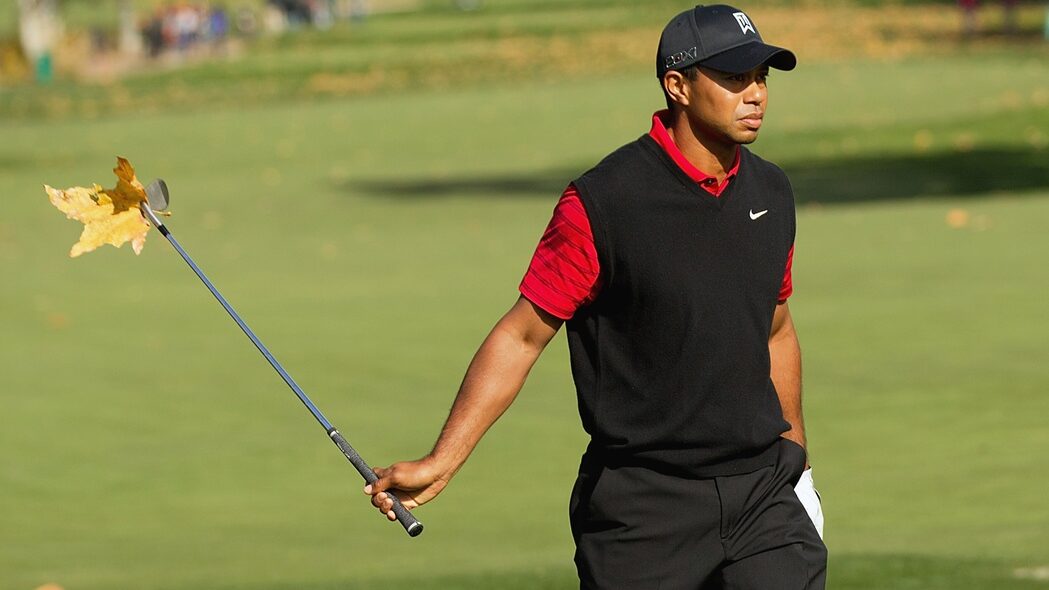
Dec 4, 2011; Thousand Oaks, CA, USA; Tiger Woods walks in the fairway of the fifth hole with a leaf stuck on the head of his iron during the final round of the Chevron World Challenge at Sherwood Country Club. Mandatory Credit: Allan Henry-USA TODAY Sports
Hoffman points out how a full 18-hole tournament turned into a single crowd following one player. This is not about how good modern golf is. Scottie Scheffler‘s numbers are strong enough to compare with Tiger’s best years. Rory McIlroy finished his career Grand Slam at the 2026 Masters, pulling in 13.995 million viewers, the highest in recent times. But Hoffman’s point is about structure. Tiger did not just bring golf fans to tournaments. He brought people who had never watched golf before and gave them a reason to stand in the heat for hours without moving.
“He just had people follow him on every shot 10 deep.”
Hoffman was not inside Tiger’s gallery. He watched from the other side of the course, observing how the crowd moved from hole to hole. He pointed out that modern events now focus on hospitality, with fans spending less time following players and more time in corporate tents. This is not a criticism, but a reflection of how the atmosphere has changed. When Woods turned professional in 1996, PGA Tour prize money was about $70 million. By 2008, it had reached $280 million, not because of inflation, but because television rights deals increased more than tenfold due to Woods’ impact.
Economists have shown that Tiger’s presence alone added $1.6 billion in prize money for his competitors, simply by making golf more valuable to broadcasters. Scheffler’s five-shot win at the 2025 PGA Championship drew 4.76 million viewers on CBS. That is a strong number today, but it would not have stood out in the years when Tiger routinely drew higher ratings.
Tiger Woods’ Absence Exposed What the PGA Tour Could Not Replace
The numbers are clear. From 2013 to 2018, while Tiger Woods was mostly absent due to injury, PGA Tour TV viewership dropped by 18% and tournament attendance fell by 11%. This happened while every other major American sport was growing. McIlroy and Spieth were at their best, playing for big purses in real events. It did not matter.
Viewership still dropped. The difference was one man. When Woods came back in 2018, British Open ratings jumped 38%, and the PGA Championship final round went up 69%. Prize money cannot close that gap. Hoffman called it out:
“Scotty and Rory… they’re not bringing anybody that wasn’t really already watching golf to the game of golf like Tiger did.”
Hoffman made this point by comparing the broad audience Tiger attracted to the more golf-focused fans who follow today’s stars. Scheffler and McIlroy now play for prize money that is twice as much as what Tiger earned at his peak, thanks to a financial system they did not have to build. What has not carried over is the audience Tiger brought in, the millions of people who did not care much about golf but could not stop watching when he played. That group still exists. They just have not returned to golf since the man who drew them in stopped playing on Sundays.