
What does the PGA Tour actually own? Not the Masters, the U.S. Open, the Open Championship, the PGA Championship, or even the Ryder Cup. Five governing bodies run men’s professional golf, and only one lacks a major championship, and that is the entity with the biggest market presence and consumer impact. So when the Tour slaps “March is going to be major” on a promotional video, the question lands with a thud: by whose authority?
Watch What’s Trending Now!
The ad dropped this week for the 2026 Players Championship. Golf media caught the tell before most fans finished their morning coffee. Dylan Dethier flagged it on X with 98,000 views and climbing. His X post clearly highlighted the burning issue.
“Seems like the PGA Tour wants the ‘5th major’ debate back on. The Players Championship just dropped this new ad. Should get you fired up for TPC Sawgrass—but it’s the half-second at the end that’s going to raise eyebrows: ‘March is going to be major.'”

Seems like the PGA Tour wants the “5th major” debate back on. The Players Championship just dropped this new ad. Should get you fired up for TPC Sawgrass — but it’s the half-second at the end that’s going to raise eyebrows: “March is going to be major.”
Eamon Lynch, writing for Golfweek, got straight to the point. The PGA Tour manages the players, the schedule, the media rights, and the business side of pro golf. But it doesn’t run the events that shape a player’s legacy. Augusta National owns the Masters. The USGA runs the U.S. Open. The R&A oversees the Open Championship. The Tour may control the business, but it doesn’t control the legacy.
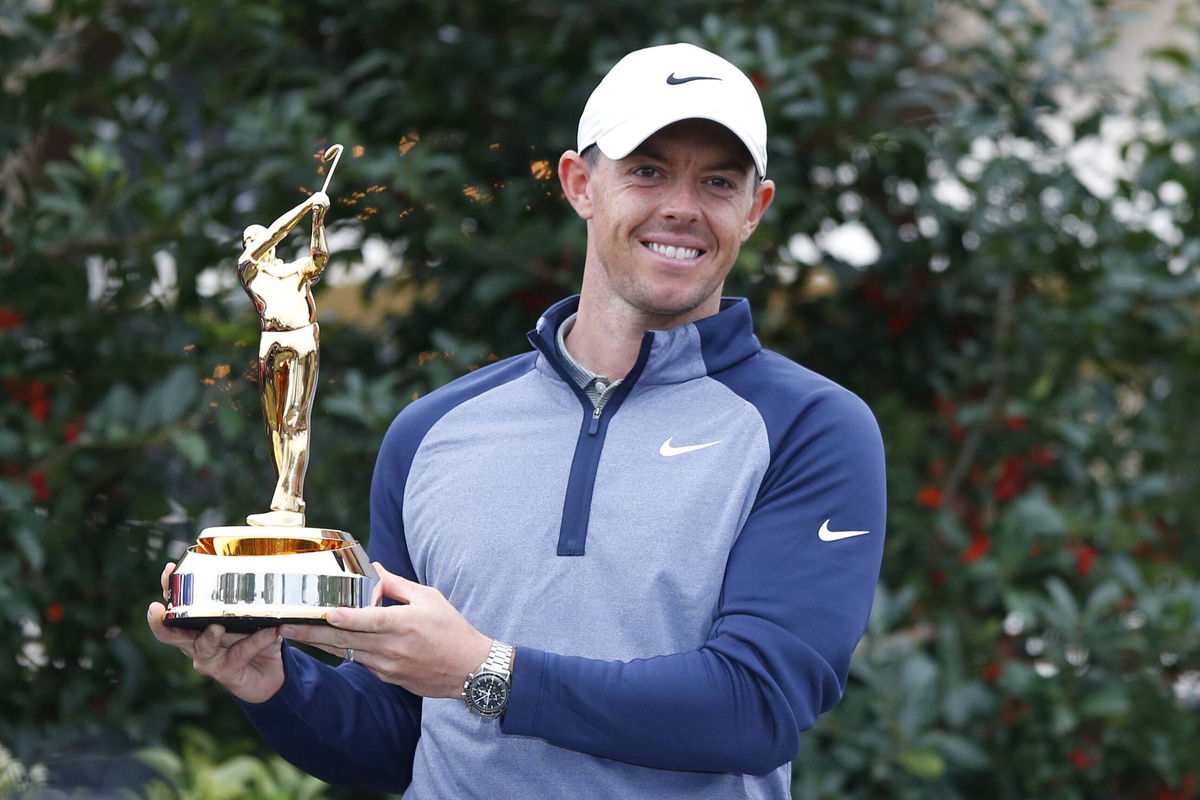
Rory McIlroy returns as defending champion. He won his second Players’ trophy last year in a Monday playoff against JJ Spaun, joining a rare fraternity of two-time winners. The tournament has produced only six playoffs across 51 years. That kind of scarcity builds mystique, and the aura of a Major, and the Tour knows it.
PGA Tour’s recurring push to own a major-level asset
The ownership gap sharpens the stakes. Strategic Sports Group invested $3 billion into PGA Tour Enterprises in January 2024. The deal valued the enterprise at $12 billion and transformed nearly 200 players into equity holders. Greg Norman, departing as LIV Golf’s CEO, credited his league’s emergence for dragging private equity into professional golf, a claim he made upon stepping down. Whether Norman deserves that credit remains debatable. What isn’t debatable: the money showed up, and it wants growth.