
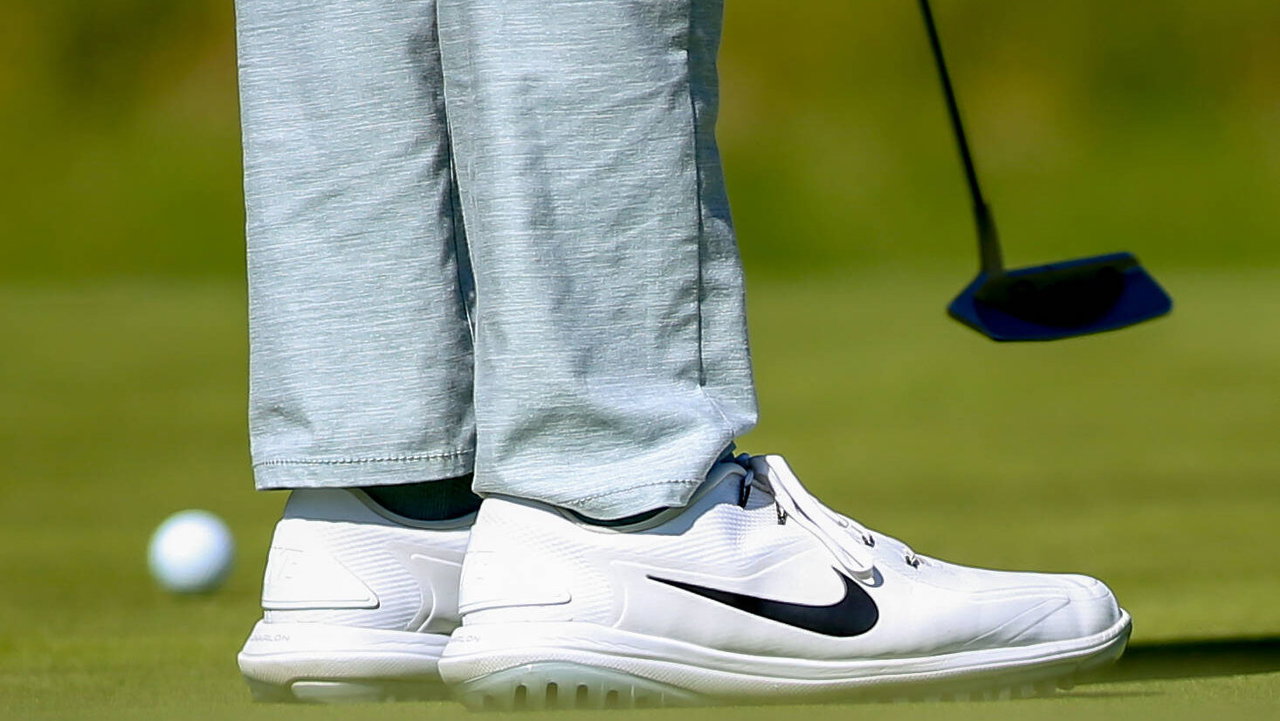
There’s no shortage of golf shoes to choose from, with brands, technologies, and styles seemingly multiplying by the season. Yet for all the attention given to drivers, irons, and putters, footwear is often one of the most overlooked pieces of equipment in a golfer’s bag. That’s a mistake, considering how much a good pair of shoes can influence performance.
Watch What’s Trending Now!
A poor driver might cost you a few yards, but the wrong pair of shoes can create far bigger problems. The right golf shoe provides the traction needed to stay balanced throughout the swing, the comfort to walk 18 holes without distraction, and the protection to keep your feet dry when the conditions turn against you. So, how do you find the right one for you?
Do you need spiked or spikeless shoes?
To put it simply, if you aren’t planning to play a tournament, spikeless is often the best choice. However, if you want to get into the specifics, modern courses widely accept and even prefer spikeless shoes, specifically the soft spikes over the metal ones. They provide solid traction, better comfort for walking, and versatility off the course.
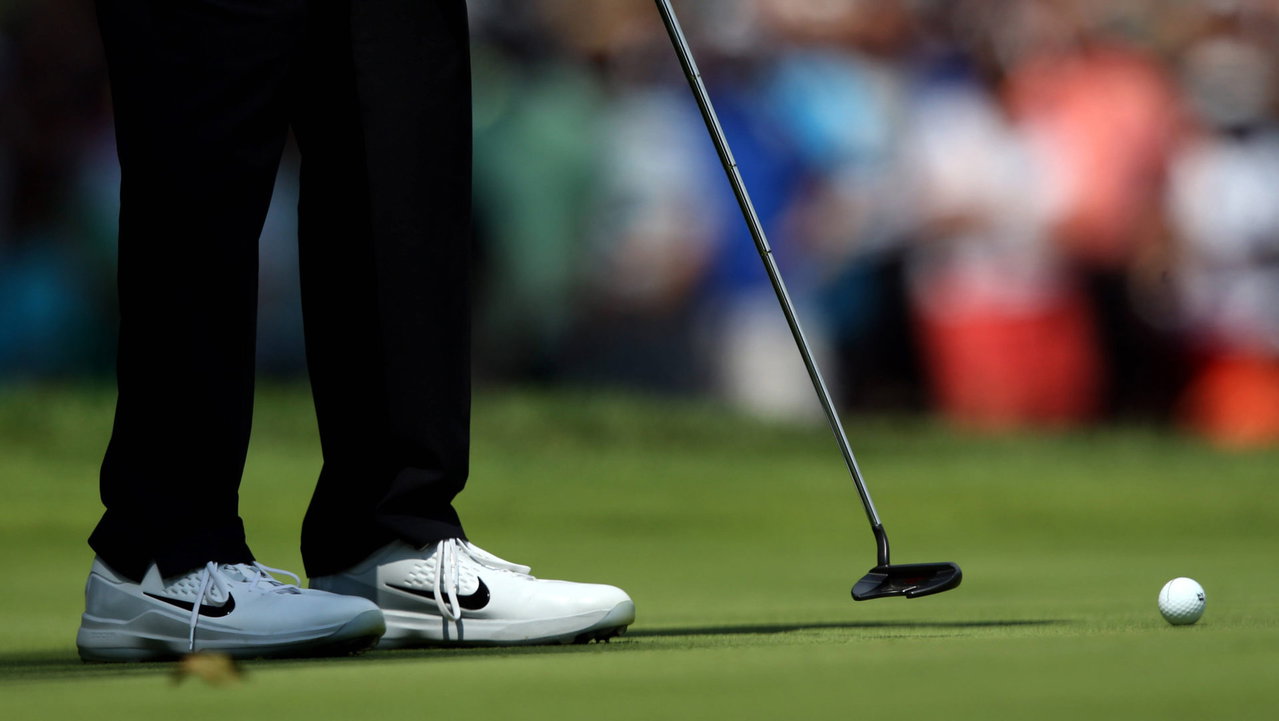
USA Today via Reuters
PGA, Golf Herren WGC – Bridgestone Invitational – Second Round, Aug 3, 2018 Akron, OH, USA A view of the Nike golf shoes worn by Tiger Woods as he putts on the sixth green during the second round of the WGC – Bridgestone Invitational golf tournament at Firestone Country Club – South Course. Mandatory Credit: Aaron Doster-USA TODAY Sports, 03.08.2018 15:25:50, 11018194, Bridgestone Invitational, NPStrans, Tiger Woods, PGA, South Course, Second Round, Firestone Country Club PUBLICATIONxINxGERxSUIxAUTxONLY Copyright: xAaronxDosterx 11018194
Meanwhile, soft-spike shoes give slightly superior grip in wet, hilly conditions and suit competitive play. Soft spikes are also accepted on all golf courses. Still, a pro tip would be to check the rules for your course before buying a shoe. But if you are playing casually, spikeless would be the best and safest option for most golf courses.
Will you walk or ride a cart?
Your choice of golf shoe should largely depend on how you plan to navigate the course. If you’re walking all 18 holes, a lightweight pair with ample cushioning is worth the investment, helping reduce fatigue and keeping you comfortable from the first tee to the final green.
If you’re more likely to ride in a cart, however, you can afford to prioritize structure and support over weight. A slightly bulkier shoe with a more supportive design can provide the stability and comfort you need without the added concern of carrying it for several miles around the course.
Does the shoe have to be waterproof?
Having a waterproof shoe is a must while on course. While a sunny day might not reflect the need for it, adverse weather will definitely remind you not to make that mistake. Morning dew, wet fairways, light rain, and damp rough are common, and then one may realize. So, keeping your feet dry will keep you more comfortable and blister-free.
That rings especially true if you walk across the course. Most quality modern golf shoes use waterproof membranes that keep water out while still allowing some breathability.
What’s the best fit for your shoe?
If comfort is one of your priorities, a proper fit is the most crucial thing to consider. First and foremost, the toe box should provide enough depth for your toes to move freely without pressing against the top of the shoe, especially for golfers with high insteps.
Meanwhile, the Width matters, too. Your shoe should feel secure without squeezing the sides of your feet. If you experience cramping or pressure, consider a wide or extra-wide option. And ideally, your heel should stay locked in place while your toes have room to move.
Which material and budget are best for you?
When choosing a shoe, the material can dictate how much it will set you back and how well you will perform. Leather, of course, is the premium choice, which offers excellent durability, water resistance, and a fit that gradually molds to your feet. But you must also pay a premium price for it.
Synthetic materials, on the other hand, are generally lighter and more affordable. This makes them a practical choice for golfers shopping on a budget. They can also offer good breathability and flexibility, although they may not match leather for long-term durability.
Should it have lateral stability?
This is perhaps the most important aspect of a shoe, not just because it will affect your shots, but because it can also prevent injuries. A golf swing generates significant side-to-side forces, particularly during the downswing. So, a good golf shoe keeps your foot planted and prevents excessive movement inside the shoe without feeling overly stiff.
If you have a powerful or aggressive swing, look for a shoe with a wider base, reinforced sides, and a supportive upper for added stability. Golfers with a smoother swing can generally get away with a more flexible, lightweight design. It’s best to find a balance between enough lateral support, but not so much that it restricts natural movement.
Are removable insoles a must?
It’s best to go for a shoe with a removable insole. It gives you more flexibility to fine-tune comfort and support. Not to mention, it allows you to replace the original insole with an aftermarket option that better suits your foot shape or provides additional cushioning and arch support.
The insole is also useful for golfers who wear orthotics, as the original insole can be removed to create the necessary space. And if you want a shoe that lasts longer, removable insoles are easier to clean or replace when they become worn.
At the end of the day, choosing a golf shoe can look drastically different from one person to another. So, it’s better to learn about the product you intend to buy properly.