
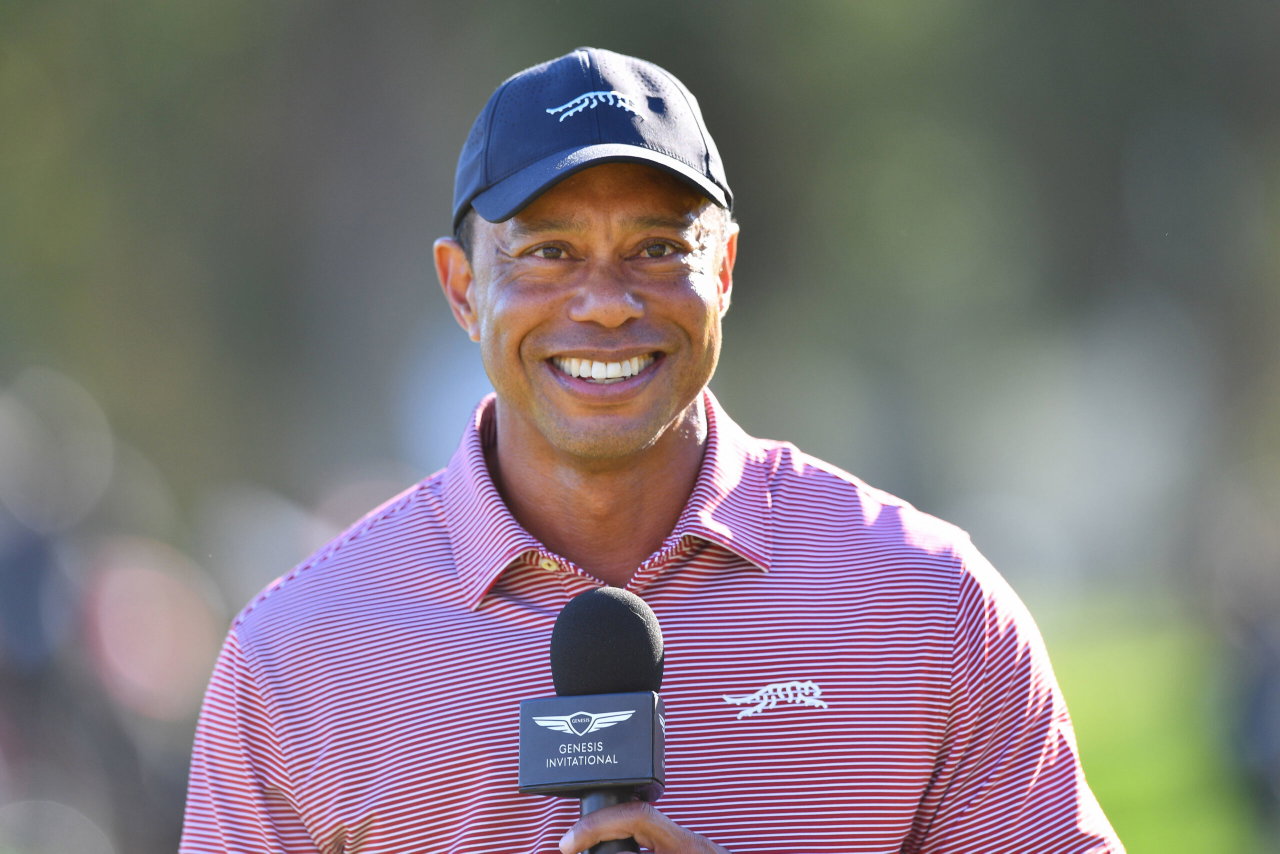
When Nike and Tiger Woods parted ways in 2024, the apparel giant may not have realized it was walking away from a billion-dollar opportunity. The split paved the way for Woods to launch Sun Day Red, his own sports apparel brand. Moving away from traditional endorsements, Woods wanted a venture where he could apply decades of experience to designing products for performance on and off the course. That’s where TaylorMade came in.
Watch What’s Trending Now!
Through its collaboration with TaylorMade, Woods’ brand became a standalone business unit, operating independently with its own headquarters in California, president, and dedicated design team. Giving the brand that freedom now appears to be paying off for the Illinois-based company. Speaking on The Real Deal podcast, TaylorMade CEO David Abeles revealed that Woods’ venture could generate $1 billion for the company.
“Obviously, Sun Day Red is in its infancy, very early innings. That’s a billion-dollar opportunity in itself,” Abeles said when asked where the company’s next billion dollars are coming from. “When you think about a $630 billion total addressable market in athleisure wear around the world, we can get a small percentage of that market share and be a lot bigger than we are today, and we are on our way to do that.”
While Abeles’ optimism about carving out a market share is great, it might be easier said than done. According to Morning Consult’s research, Nike dominates the US athletic apparel market in consumer mindshare, with a Mental Market Share (MMS) of 22%. Adidas follows with 11%, while Under Armour holds 10%. Other established brands include Reebok at 6.5% and Champion at 5.2%.
Patagonia accounts for 2.2%, followed by Gymshark at 1.2%, Alo Yoga at 0.9%, and Vuori at 0.7%. Despite the presence of established giants in the sector, however, Sun Day Red has a strong opportunity to carve out a significant market share, riding on Tiger Woods’ immense popularity and legacy of excellence in golf. That said, Sun Day Red isn’t the only thing Abeles believes would bring his company money.
“And then certainly we’re investing behind our partnership at PopStroke, which is creating value every day,” he added before explaining what they plan to do next. “So organically, we have clarity. Where we see our business evolving to, how we’re going to create value for our shareholders, but we start with creating value for golfers.
“If we can create value for golfers, you lean in, you like, or you love the things that we’re doing, you believe in our products, play our products, see the point of difference in the performance of those products for your game in the experiences we provide around those products to help you see and play better, then ultimately we’ll do our job as well, and we’ll continue to grow.”
From the looks of things, people are already loving what Sun Day Red is providing. In January, David Abeles told Front Office Sports that the company has exceeded its initial revenue projections and is now looking to expand its roster beyond Woods and its first ambassador, Karl Vilips. That same month, they partnered with retail group EMERS to open a temporary pop-up store from January to March 2026.
At the time, the brand had announced plans to open its first international flagship store in Taiwan in the second half of 2026. Those plans came to fruition in September, when Woods’ brand opened its first global flagship retail store in Taipei. More importantly, while Sun Day Red might not have the sort of market share other brands do, Woods’ brand has already defeated one of the big names in Singapore.
Puma failed to stop Tiger Woods’ brand from registering in Singapore
According to a report from The Straits Times in March, Puma failed in its attempt to block Tiger Woods-backed Sun Day Red from registering its trademark in Singapore. The authorities ruled that the two brands’ big cat logos are sufficiently different to avoid consumer confusion. In a judgment delivered on March 13, the registrar dismissed all grounds of opposition, finding that the competing marks differed in their composition, shape, features, and movement.
Puma had argued that Sun Day Red’s tiger logo shared similarities with its iconic leaping cat, potentially confusing consumers purchasing sportswear and related products. However, the tribunal disagreed, highlighting the segmented lines and visible stripes in Woods’ brand logo, compared to Puma’s solid silhouette. It also noted that Sun Day Red’s design clearly depicted a tiger rather than a generic big cat.
Puma has also filed a separate opposition in the United States, which remains ongoing. Meanwhile, Louisiana-based Tigeraire has taken its dispute with the brand to federal court in California. Puma was also ordered to pay $10,657.25 in costs, including disbursements.
It appears Tiger Woods’ Sun Day Red is here to stay, and if the CEO is to be believed, it may capture a significant market share in the coming years.