
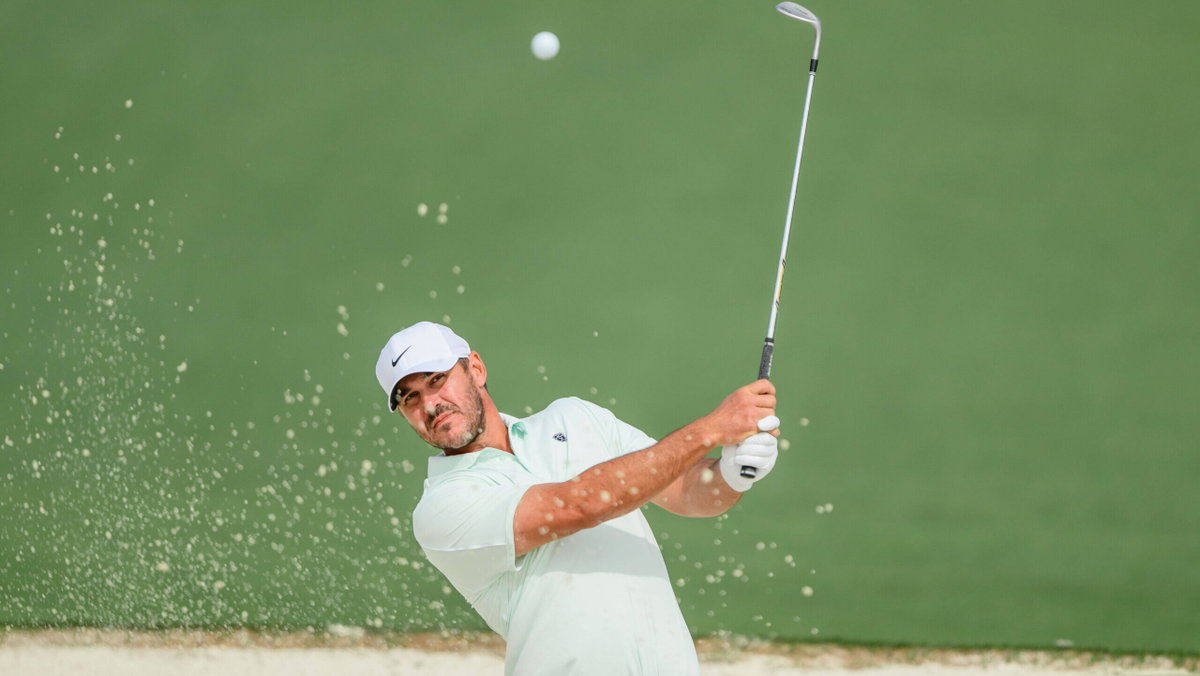
Shinnecock Hills is hosting the U.S. Open for the sixth time. The last edition was played here in 2018, when Brooks Koepka lifted the trophy. Coming into 2026, the five-time major champion had just started finding his footing again on the PGA Tour when he had to abruptly withdraw from the RBC Canadian Open due to a hand injury. Now, as the U.S. Open gets underway, Golf Channel analyst Ryan Lavner has raised serious concerns about what Koepka can realistically deliver this week.
Watch What’s Trending Now!
Speaking ahead of the 2026 U.S. Open, analyst Lavner made his position clear alongside Rex Hoggard.
“Pretty low. We have ample evidence to show that he is not fine. At least the issue where it wasn’t good enough for him to play on Sunday. Wasn’t good on the golf course and play on Monday. Had a limited practice session on Tuesday. He was also out of the golf course on Wednesday.
“And so if he wasn’t feeling well enough at that point and if you know anything about nerve issues, they can be set off, and they can be triggered at any point.”
As per the analyst, the issue could get worse owing to the firm turf on the fairway.
“Brooks moving forward, to me, it’s yellow. To me, it’s cautious. To me, it’s tentative. My expectations for Brooks Koepka are very low,” he said.
Brooks Koepka experienced the injury abruptly during the RBC Canadian Open last week. He first noticed weakness and numbness in the ring and pinky finger of his left hand on Friday night, but the problem flared up during his warm-up on Saturday. Koepka himself seemed confused by the injury when he later talked about it. As the pain kept growing, Koepka had to withdraw from the championship.
Imago
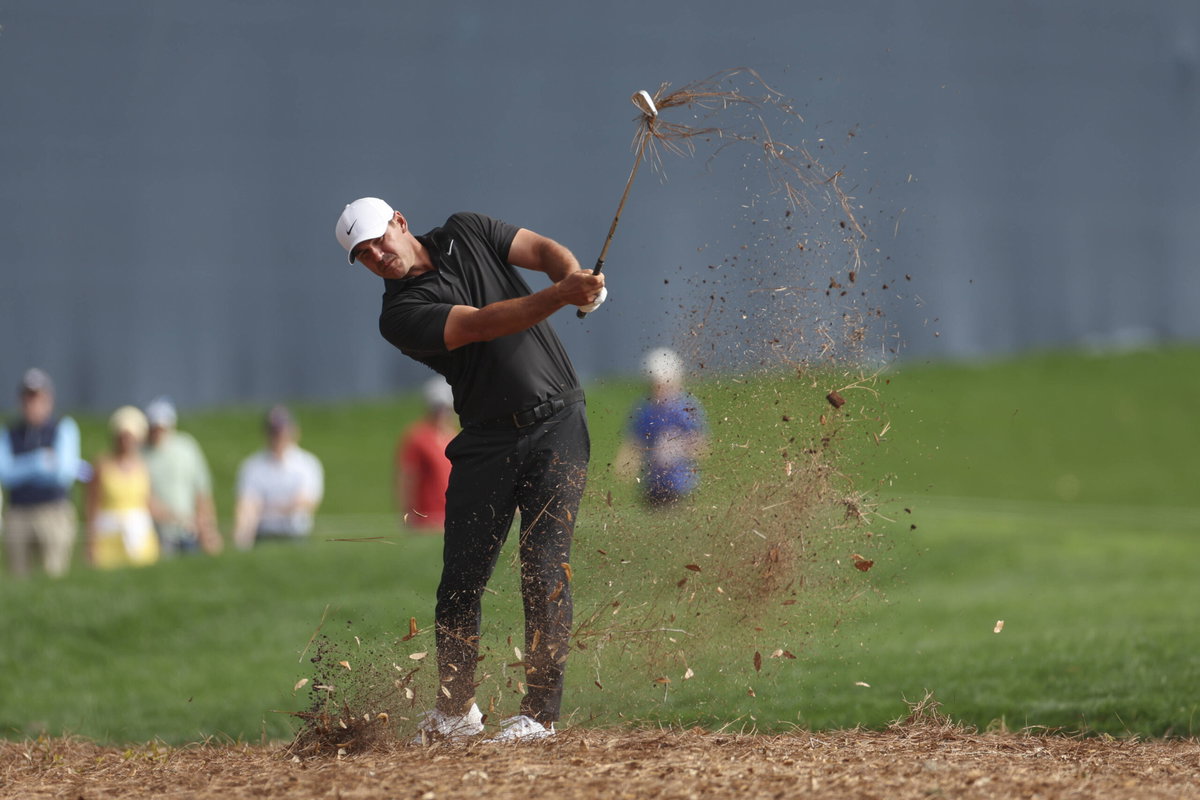
PONTE VEDRA BEACH, FL – MARCH 14: Brooks Koepka of the United States plays a shot on the 18th hole during THE PLAYERS Championship on March 14, 2026 at TPC Sawgrass in Ponte Vedra Beach, Fl. Photo by David Rosenblum/Icon Sportswire GOLF: MAR 14 PGA, Golf Herren THE PLAYERS Championship EDITORIAL USE ONLY Icon260314047745
The injury itself remains partially understood. Koepka underwent scans of C5, C6, and C7 vertebrae, the same vertebrae he herniated in 2021, to rule out any possibility, but they’ve come back clear. His medical team identified two potential causes: a flare-up of the ulnar nerve, which can cause numbness, finger weakness, and tingling.
The other one is Thoracic Outlet Syndrome, caused by pressure on blood vessels or nerves between the neck and the shoulder.
This Tuesday, Koepka described it as hitting his funny bone constantly. He quickly followed that up by sharing that his grip strength wasn’t fully back but was “good enough.”
And that’s why Lavner believes the timing is unfortunate.
“Really unfortunate, really bad timing because Brooks Koepka, from a ball-striking standpoint, I think he would feel as good as anybody in the field,” Lavner said.
That said, it is not an isolated event. Koepka has had to battle injury ahead of a major. He missed the 2020 U.S. Open entirely due to knee and hip problems. Again in 2021, his herniated C5 and C6 vertebrae in the neck caused him to be off the tour for an extended stretch. But he did eventually return to win the 2023 PGA Championship.
Had it not been for the injury, the week could have been entirely different. Koepka ranked fifth in Strokes Gained (SG) entering the week. His opening round of 64 in Canada suggested the putter was finally improving, too.
The question, however, is whether his left hand will hold up across 72 holes of the most demanding major test in the game.