
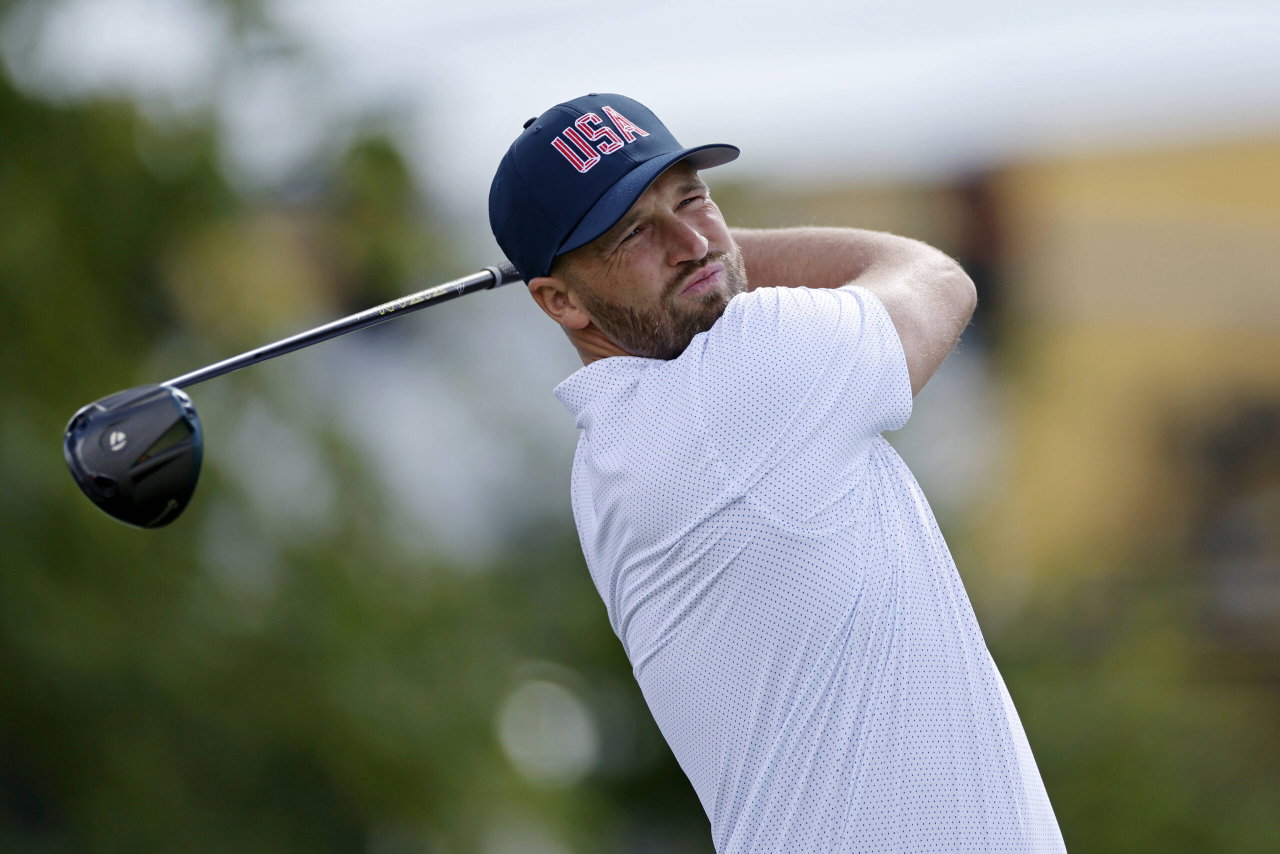
Wyndham Clark believes professional golf’s media landscape has outspoken players in a no-win situation. Stay politically correct and risk being labelled boring; show some personality and prepare to be ridiculed. The American has become increasingly comfortable with that contradiction, and his comments throughout the autumn suggest he has little intention of changing his approach.
Watch What’s Trending Now!
Clark made the argument during an appearance on Dan on Golf, a live show from Skratch hosted by Dan Rapaport, at the end of a season that made him one of golf’s most scrutinised winners. The conversation began with a reference to his Presidents Cup comments, some of which he had previously admitted were deliberate.
He described the problem directly: “If you say everything politically correct and what you’re supposed to say, then you’re boring. Then if you come out and say something maybe a little more on the fun side and showing your personality, then you just get ridiculed.”
His frustration reflects the reputation he developed over recent months, particularly during the Presidents Cup at Medinah. Before the competition, Clark claimed the media had portrayed him as a villain.
“The media has made me out to be the villain, if you will,” he said. “I don’t feel like that person.”
He added to the controversy during the matches, describing the atmosphere as “kind of dead out there” after he and Collin Morikawa defeated their opponents 3 and 2 in their opening fourball match. The comment followed an earlier BMW-related joke in which Clark suggested he might “move to Mexico” if Chicago failed to show him enough affection.
Rather than becoming more cautious after the reaction, Clark has chosen to keep speaking his mind. He admitted that he finds it “kind of fun saying something on the edge”, although his manager and agent would clearly prefer a more measured approach.
That willingness to speak without overthinking also came through when he accidentally revealed his engagement plans. The moment first surfaced at the Tour Championship in August, when he was asked about his autumn schedule.
“I’m playing a tournament in Japan. Hopefully get engaged. And then going to South Africa for a tournament as well,” Clark said.
Revisiting the moment with Rapaport, he admitted the answer slipped out because the proposal was already occupying his thoughts.
“Sometimes I don’t think before I speak, but that’s who I am,” he said.
The possibility of an engagement wasn’t simply a passing comment, either. At Medinah, when asked whether he still hoped to get engaged, Clark confidently said, “It will happen.”
While his outspoken personality has drawn attention, his performances have also drawn considerable scrutiny. Clark won his second U.S. Open in June at Shinnecock Hills, leading from the opening round through the finish and holding off Sam Burns by one shot. The victory came amid hostile reactions from New York galleries, who frequently cheered his mistakes.
He followed that success by winning the BMW Championship at Bellerive, securing his third victory of the season. However, both wins attracted allegations that he had improved his lie in the rough. Neither incident resulted in a penalty.
Clark has remained firm in defending himself against those accusations.
“People can think what they want,” he said. “I know I didn’t do anything that was costing the integrity of the field.”
Still, the criticism surrounding him cannot be separated from his previous conduct. In 2025, he damaged two lockers at Oakmont and was barred from returning until he completed anger management therapy and paid for the repairs.
That incident added another dimension to his public image and helps explain why his actions continue to attract attention. Clark himself acknowledged that his U.S. Open victory carried an element of personal redemption, describing it as “a lot of redemption” while accepting that “some of it is self-deserved.”
Clark’s next stops include Japan, Mexico, and South Africa, with his potential engagement adding a personal milestone to an already eventful schedule.
For now, he appears comfortable with the reputation he has developed. He believes golf wants players to show personality but is less accepting when that personality challenges conventional expectations. His comments may draw criticism, but Clark seems unwilling to retreat into carefully rehearsed answers to avoid it.
The bigger question is whether golf’s media environment can accommodate an outspoken player without reducing every controversial remark to another chapter in his villain narrative. Clark has made his position clear: he would rather risk ridicule than become someone he is not.