Getty
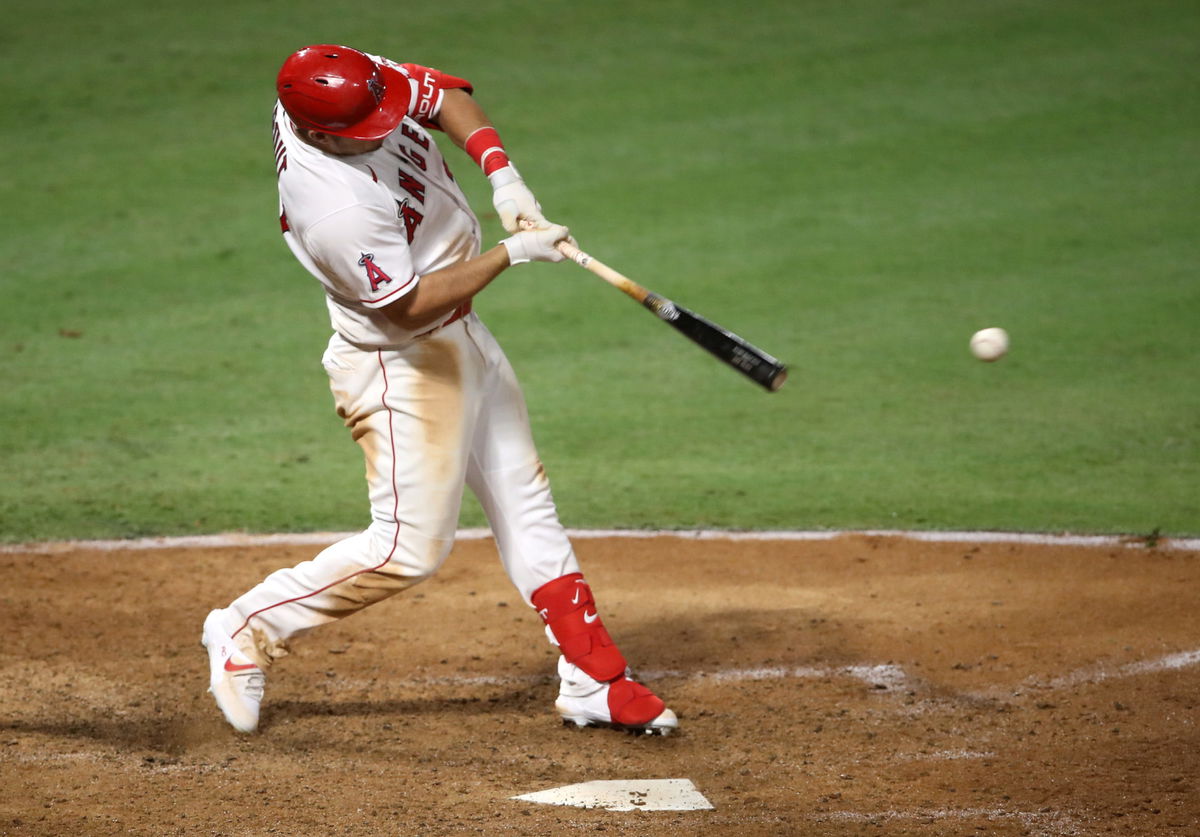
ANAHEIM, CALIFORNIA – SEPTEMBER 04: Mike Trout #27 of the Los Angeles Angels singles during the sixth inning of a game against the Houston Astros at Angel Stadium of Anaheim on September 04, 2020 in Anaheim, California. (Photo by Sean M. Haffey/Getty Images)
Getty
ANAHEIM, CALIFORNIA – SEPTEMBER 04: Mike Trout #27 of the Los Angeles Angels singles during the sixth inning of a game against the Houston Astros at Angel Stadium of Anaheim on September 04, 2020 in Anaheim, California. (Photo by Sean M. Haffey/Getty Images)
Getty
ANAHEIM, CALIFORNIA – SEPTEMBER 04: Mike Trout #27 of the Los Angeles Angels singles during the sixth inning of a game against the Houston Astros at Angel Stadium of Anaheim on September 04, 2020 in Anaheim, California. (Photo by Sean M. Haffey/Getty Images)
Getty
ANAHEIM, CALIFORNIA – SEPTEMBER 04: Mike Trout #27 of the Los Angeles Angels singles during the sixth inning of a game against the Houston Astros at Angel Stadium of Anaheim on September 04, 2020 in Anaheim, California. (Photo by Sean M. Haffey/Getty Images)
Arte Moreno’s recent comments have cast fresh doubt on the Angels’ competitive direction, testing Mike Trout’s loyalty to a franchise that has not reached the postseason in more than a decade. By downplaying winning as a top priority for fans, Moreno sparked backlash that quickly spilled beyond the front office. Inside the clubhouse, the message did not land quietly. Zach Neto, in particular, framed Trout’s playoff drought as the team’s defining motivation entering 2026.
Watch What’s Trending Now!
The controversy began on February 20, when Moreno spoke to reporters ahead of spring training.
“The number one thing fans want is affordability,” he said. “They want affordability. They want safety, and they want a good experience when they come to the ballpark. Believe it or not, winning is not in their top five.”
Moreno also suggested that winning in Major League Baseball often requires aggressive spending, and even then, there are no guarantees. That comment drew swift attention from the MLB Players Association.
“Let’s just say players took notice of it. And we took notice of it too. The bottom line is that players are competitors. They want to see owners doing the same thing,” MLBPA executive director Bruce Meyer said.


Shortstop Zach Neto then emerged as a clear voice for the younger core, offering the most direct response to the growing frustration. He framed the Angels’ 2026 goal around ending Trout’s long postseason absence.
“We need to help Mike get to the postseason. He is, if not the greatest player to play this game, one of them. He needs to be in the playoffs,” Neto said.
Zach Neto on Mike Trout and the Angels playoff drought:
“We need to help Mike get to the postseason. He is, if not the greatest player to play this game, one of them. He needs to be in the playoffs.”
(@BillShaikin, LA Times) pic.twitter.com/CdUQ0vWNJo
— SleeperAngels (@SleeperAngels) March 2, 2026
The remark underscored that clubhouse alignment with ownership will ultimately depend on a visible commitment to contend.
Neto’s words emphasize the franchise’s longest active postseason absence, which is currently 11 years. They directly challenge Moreno’s framing of fan priorities, where affordability and experience outweigh winning.
His stance gains extra weight given Trout’s continued silence on Moreno’s remarks.
The divide between a clubhouse that views contention as fundamental and ownership that stresses economic constraints to temper expectations is unmistakable. This rift can shape the direction of the franchise going forward.
Neto’s remarks shifted the conversation from survey data and operating costs back to competitive identity. The metric that ultimately matters inside the clubhouse is winning, not pricing strategy.
The broader question is whether the Angels can reconcile players’ championship mindset with ownership philosophy rooted in financial caution.
Mike Trout at the center of a morale vs economics debate
Trout remains under a long-term contract with a team that has not reached the playoffs since 2014. Ownership, meanwhile, appears skeptical that aggressive spending alone guarantees contention.
That contrast sits at the center of the morale-versus-economics tension. Players measure success by October appearances. Front offices often measure sustainability by payroll flexibility and long-term balance sheets.
From a financial standpoint, Moreno’s caution is not entirely unfounded. The 2023 New York Mets carried a record-setting payroll north of $330 million and still finished 75–87, missing the postseason. The Padres and Yankees also ranked among the highest spenders that year, yet neither won the World Series.
Heavy spending can raise a team’s ceiling, but it does not eliminate volatility. That reality shapes ownership’s financial restraint. Inside the clubhouse, however, timelines feel far more urgent.
For Mike Trout and his teammates, a decade-long postseason drought intensifies the demand for visible commitment. Fiscal discipline may be rational on paper, but maintaining credibility in the locker room requires competitive intent, especially with Trout’s championship window still open.