
Imago
Credits: MLB.COM
Imago
Credits: MLB.COM
David Bednar has gone from under‑the‑radar bullpen arm to one of the most reliable closers in baseball, and in 2026, his bank account finally reflects that climb. The Pennsylvania native, now closing games in the biggest spotlight of all, has paired blue‑collar stuff with big‑market pressure and turned it into serious financial upside. For a guy who didn’t come into the league with top‑prospect hype, Bednar has built a career and a net worth that a lot of relievers would gladly trade for.


What is David Bednar’s Net Worth?
Watch What’s Trending Now!
By 2026, David Bednar’s net worth is comfortably sitting in the mid‑seven‑figure range, roughly estimated at around the 8–10 million dollar mark. Most of that comes straight from his MLB paychecks: those early‑career league‑minimum seasons, a couple of strong arbitration bumps with Pittsburgh, and now a big‑market payday with the Yankees. On the endorsement front, he’s not some national advertising face yet, so whatever he makes there is more of a bonus than a core income stream, think gear deals and low‑key partnerships rather than splashy campaigns. The real engine driving his net worth has been his steady rise as a late‑inning weapon and multiple seasons of closing games at an elite level.
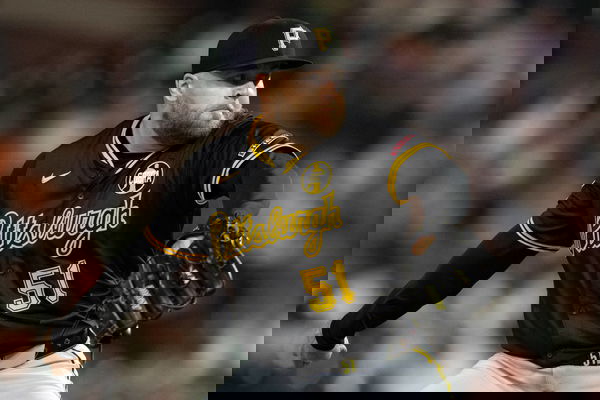
Imago
MLB, Baseball Herren, USA Pittsburgh Pirates at San Francisco Giants Jul 28, 2025 San Francisco, California, USA Pittsburgh Pirates pitcher David Bednar 51 delivers a pitch against the San Francisco Giants during the ninth inning at Oracle Park. San Francisco Oracle Park California USA, EDITORIAL USE ONLY PUBLICATIONxINxGERxSUIxAUTxONLY Copyright: xD.xRossxCameronx 20250728_ca3_ams_0283
David Bednar’s Contract Breakdown
Right now, Bednar is playing on a one‑year deal for the 2026 season, worth around 9 million dollars, covering what is expected to be his final year of arbitration. Before that, he’d already taken a nice jump in 2025 when his salary climbed into the mid‑single‑digit millions as his save totals and All‑Star resume grew. That set the table for this latest pay raise, which reflects how front offices now see him: not just a solid reliever, but a true ninth‑inning closer you can trust in big games.
The structure is simple: no complicated options or long‑term guarantees here, just a straight single‑season number that buys out his last arbitration year and lets him hit the open market afterward. It’s a classic “prove it one more time and cash in” setup, with Bednar holding a lot of leverage if he keeps dealing in the Bronx.
What is David Bednar’s salary?
For the 2026 campaign, Bednar’s salary is pegged at 9 million dollars, all guaranteed for this season as part of that one‑year arbitration‑avoidance agreement. That figure marks a noticeable bump from the roughly 5–6 million dollar range he was in the year before, when his earlier arbitration award reflected his success as a closer in Pittsburgh.
| Team | Year | Salary (USD) | Bonuses / Notes |
| San Diego Padres | 2019 | $555,000 | No reported bonus listed |
| San Diego Padres | 2020 | $564,300 | No reported bonus listed |
| Pittsburgh Pirates | 2021 | $579,000 | No reported bonus listed |
| Pittsburgh Pirates | 2022 | $715,000 | No reported bonus listed |
| Pittsburgh Pirates | 2023 | $745,000 | No reported bonus listed |
| Pittsburgh Pirates | 2024 | $4,510,000 | One-year avoid-arbitration deal (no separate bonus detailed) |
| Pittsburgh Pirates / New York Yankees | 2025 | ~$5,900,000 | One-year arbitration contract; no public signing bonus reported |
What are David Bednar’s Career Earnings
If you zoom out and look at Bednar’s entire journey, his career earnings tell a pretty cool story of a gradual climb rather than an instant payoff. He spent his first few seasons bouncing between the majors and minors, earning close to the league minimum as he tried to lock down a permanent spot. Once he broke out in Pittsburgh as a high‑leverage arm and then as the full‑time closer, the arbitration system finally started rewarding him with multi‑million‑dollar seasons.
By the time 2026 rolls around, those incremental raises, topped off by this 9 million dollar salary, push his total career on‑field earnings into the solid multi‑million range, firmly establishing him among the better‑paid relievers of his era. Factor in a handful of modest endorsements and appearance fees along the way, and Bednar’s overall financial picture looks very healthy for someone who had to grind his way into this role.
David Bednar’s College and Professional Career
Bednar’s route to the big leagues is very much a “bet on yourself” story. He pitched his college ball at Lafayette College, a smaller Division I program where nothing was handed to him and every inning was basically an audition. He wasn’t the type of arm scouts drooled over on draft day, but he showed enough grit and stuff to get his shot and keep climbing through the minors.
His first taste of the majors came with the San Diego Padres, where he shuffled between roles and levels before really finding his stride. The real turning point, though, came in Pittsburgh. There, Bednar evolved from just another bullpen arm into the Pirates’ shutdown closer, putting up strong strikeout numbers, posting impressive ERAs, and earning All‑Star recognition while handling the pressure of the ninth inning. That success made him a hot commodity at the trade deadline, and when the Yankees brought him in, he stepped into the New York pressure cooker and kept doing what he does best: attacking hitters, thriving in tight games, and giving his team a serious edge when they hold a late lead.
Off the field, Bednar isn’t chasing the spotlight the way some stars do, and his endorsement portfolio reflects that. He’s more the “bring your lunch pail and get out” type than a made‑for‑TV personality, which tends to appeal more to local sponsors and equipment brands than to giant national campaigns. That said, closing games for a marquee franchise automatically boosts his visibility, and if he keeps piling up saves and October moments, the off‑field money will have room to grow. For now, though, his financial backbone is firmly his on‑field performance, not his commercial footprint.