
Shohei Ohtani was supposed to be the Dodgers’ biggest postseason weapon. Instead, through the first two games of the NLDS, he has looked like a star still searching for his October form. And with his own admission that he is not “100% fit,” Los Angeles may soon face a decision few would have imagined when the season began.
A brutal second half forced Ohtani onto the 15-day IL in September with right biceps inflammation, left knee inflammation, and neck issues, and the concerns have followed him into October. Through NLDS Game 2, he is just 2-for-8 with no walks, no extra-base hits, and two strikeouts. Now, as calls for a demotion grow louder, Dave Roberts has opened the door to making drastic changes. And one of those decisions could involve Ohtani in a way the Dodgers never expected.
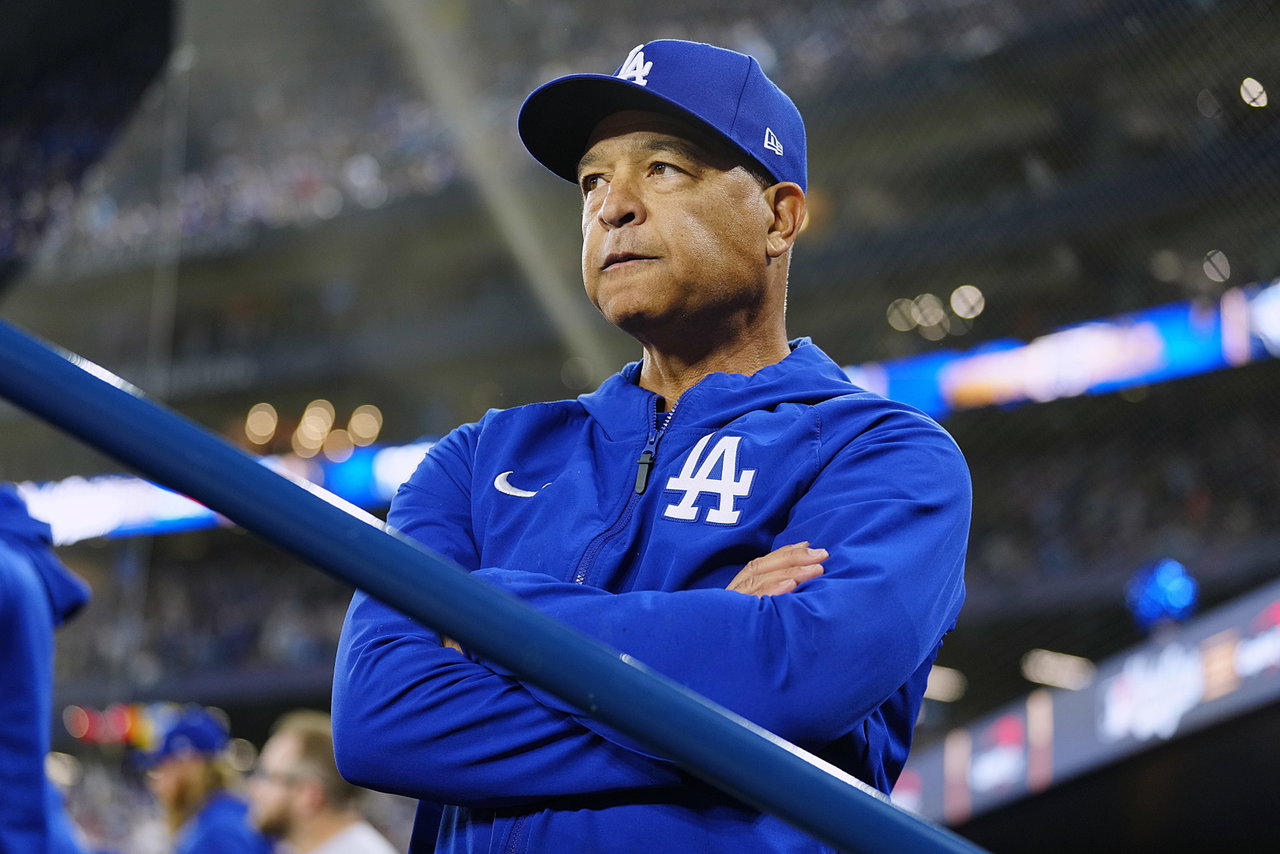
“Going further than moving him from one to two, I’m open to it,” Dodgers Nation quoted Roberts. “If it’s something I do, I’d obviously have the conversation with Shohei to explain why. Every conversation I’ve had with him, that’s whatever is best for the team; he’s all in on it.”
During his prime stretch (2021–2024), Ohtani was historically dominant in “high-leverage” situations, boasting a massive 1.069 OPS in clutch late-game moments. However, as physical injuries took a toll on his body, his high-leverage batting average plummeted to .243.
Moreover, pitchers have realized he is hunting for pitches to break his 20-game home run drought, so they are throwing breaking balls outside the zone. Rather than taking his walks, Ohtani is chasing these late-inning pitches, leading to empty at-bats. For reference, in the Dodgers’ 3-2 loss to Atlanta in Game 2 of the 2026 NLDS, the Braves relied on a heavy dose of breaking balls out of the zone. Facing elite southpaw pitching, Ohtani went 1-for-4 with two strikeouts.
“There’s a lot of chase… It’s hard to square up, put good swings on balls that are out of the zone,” Roberts admitted.
With such struggles, calls for Ohtani’s demotion are getting traction. While Ohtani spent the vast majority of the season as the Dodgers’ primary leadoff hitter, his ongoing slump and physical limitations forced a change. He has already been dropped to the No. 2 spot in the order, with Mookie Betts taking over the leadoff role against left-handers.
Roberts indicated Ohtani may get further demoted.
However, there’s no chance of seeing Shohei Ohtani getting benched. “That won’t happen. He’ll play, and I expect him to show his best form and deliver results at the plate,” Roberts added.
So, Ohtani may come to the plate late in Game 3, but he is playing. However, the biggest challenge will be Chris Sale, who will start for the Braves. Sale is among the top 5% of MLB pitchers with a 36.5% chase rate this season.
Apart from Ohtani, the Dodgers’ pitching performance is also looking concerning ahead of Game 3.
The Dodgers’ pitching staff is looking battered
In Game 2, starter Blake Snell heavily strained the pitching staff. Though he limited the damage to just 1 run, he managed only 3.2 innings while burning through 90 pitches. His command completely broke down, as he threw just 30% of his first-inning pitches in the strike zone and walked 5 batters, forcing Roberts to rely heavily on the bullpen early.
Moreover, the back end of the bullpen remains shaky. Newly signed closer Edwin Diaz spent much of the regular season derailed by injury and has looked inconsistent upon returning. Meanwhile, primary left-handed option Tanner Scott suffered a high-profile meltdown in Game 1. He gave up a crucial two-run homer to Ozzie Albies that has thrown the late-inning hierarchy into question.
So, amid Shohei Ohtani’s struggle and his absence from the mound, the Dodgers’ pitching struggles are further worsening the situation.