
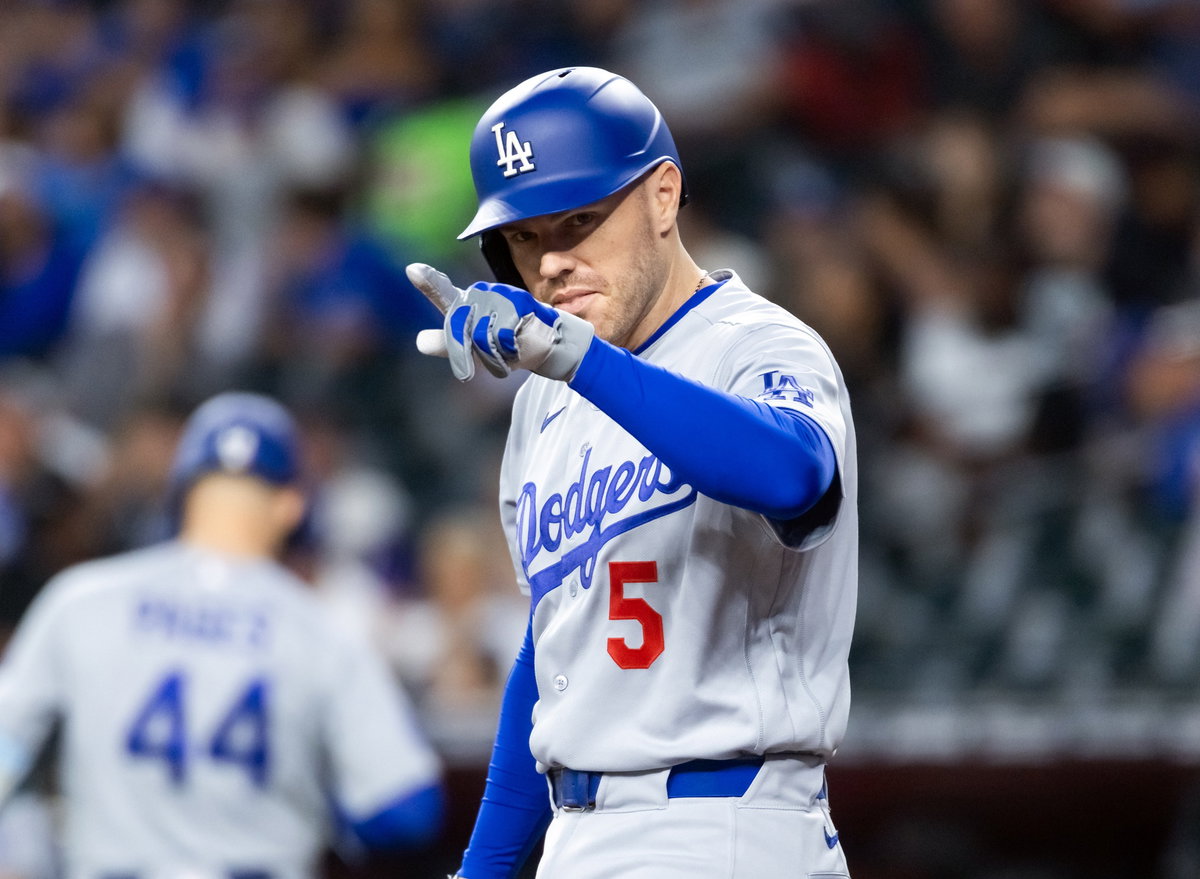
Freddie Freeman called MLB’s draft proposal ridiculous—and he’s not alone. Team owners want to cut the total draft bonus money from about $359 million down to just $200 million. The Los Angeles Dodgers star is very angry about this new plan.
Watch What’s Trending Now!
The owners want to cut the draft from 20 rounds down to 12. They also want to ban high school players from entering the draft. Freeman sees this as a direct attack on young talent just to save cash.
“I think maybe now the fans will start seeing that it’s just money,” Freeman said. “Because that’s just cutting. It’s all about money.”
This strong pushback fits a clear pattern for Freeman and the players’ union. During the 2021-22 MLB lockout, players fought hard against the owners to protect young players’ money. Now, the owners are trying to cut costs again, this time in the baseball draft.
Imago
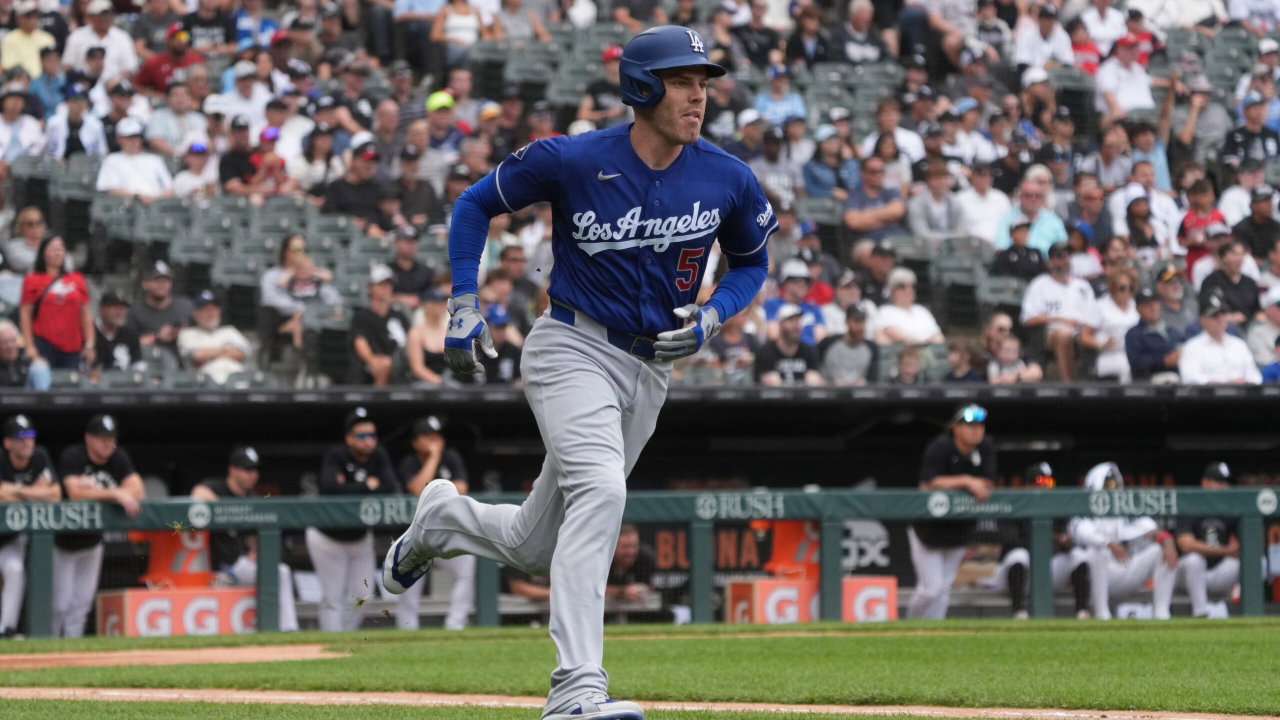
Jun 14, 2026; Chicago, Illinois, USA; Los Angeles Dodgers first baseman Freddie Freeman (5) runs the bases after hitting a home run against the Chicago White Sox during the first inning at Rate Field. Mandatory Credit: David Banks-Imagn Images
Under the new plan, high school players could not turn pro. They would have to wait until after their second year of college. For Freeman, the biggest concern is that this proposal removes any chance of talented players getting a direct path to the majors.
Drafted by the Atlanta Braves out of Orange El Modena High School in 2007, Freeman believes entering professional baseball at 18 played a major role in his development into a future Hall of Famer. He argued that teams can begin teaching players their systems at an early age, helping the prospects grow within the professional environment.
Freeman was not alone in pushing back against the proposal. Mookie Betts, who was drafted out of high school by the Boston Red Sox in 2011, said starting his professional baseball career at 18 accelerated his development into where he is today. Betts noted that if he had attended a four-year college, he would not have been draft eligible again until 2014, the same year he made his MLB debut.
The MLBPA called the proposal “flat out bad for baseball.” They argued that a 12-round draft and bonus pools dropping by nearly 44% would hurt the next generation of players and ruin their chances to succeed. But the MLB has defended the idea by pointing to changes in the amateur landscape. According to the league, stronger college programs, improved development resources, and expanded NIL opportunities have given the players more than enough to be good at a professional level.
League officials have also noted that roughly 81% of players selected in recent drafts already come from college programs.
Still, many players do not agree. Freeman, Betts, and the union believe the plan just creates more roadblocks for young talent. As labor talks continue, the draft has become a huge fight between the owners and players.
How would this deal have affected some of the best teenagers in MLB history?
MLB’s proposed draft changes could completely change how young stars come into the professional level. The league wants American players to become eligible for the draft only after their sophomore college season.
Right now, players can enter the draft directly from high school. MLB believes that the current college programs offer very strong development and chances before players come into the majors. The MLBPA, however, completely disagrees with the MLB and says that this new rule could cost many amateur players hundreds of millions annually.
What makes the case for MLBPA is the fact that we have so many names other than Freddie Freeman and Mookie Betts, who have come in their teenage years.
Bryce Harper reached the majors at 19 and was considered one of the best prospects available at that time. And in his rookie year, he proved why teams were after him and rated him so much. In 2012, he hit 22 homers, made the All-Star Game, and later went on to win the Rookie of the Year Award.
Although we have seen a dip in form in recent seasons, Harper has given us some of the best moments in the past few years. And those numbers came just two years after he began his professional journey. Under the proposed system, Harper likely would have remained in college until his early 20s, and that would have cut his career short.
The same argument applies to several stars who arrived long before turning 20.
Juan Soto debuted at 19 and finished with 22 home runs and 70 RBIs. Ken Griffey Jr. reached Seattle at 19 after being drafted out of high school. He hit 16 home runs and 61 RBIs during his rookie season.
Felix Hernández also debuted at 19, posting a 2.67 ERA in 12 starts and giving up only five homers in his rookie year. All these players made it to the big stage way before they even saw a college dorm room. And those years are exactly what helped them get the best out of themselves in the league.
And that is why many MLB players are not happy with the new draft proposal.
MLB sees college baseball as a better environment for development and education. Players point toward teenagers who have already proved that professional pathways can produce stars. Fans have watched Harper, Soto, Griffey, and Hernández arrive before their 20th birthdays and light up the stage.
The proposal now asks whether future talents should follow that same path or wait longer to even have a shot at the majors.