Imago
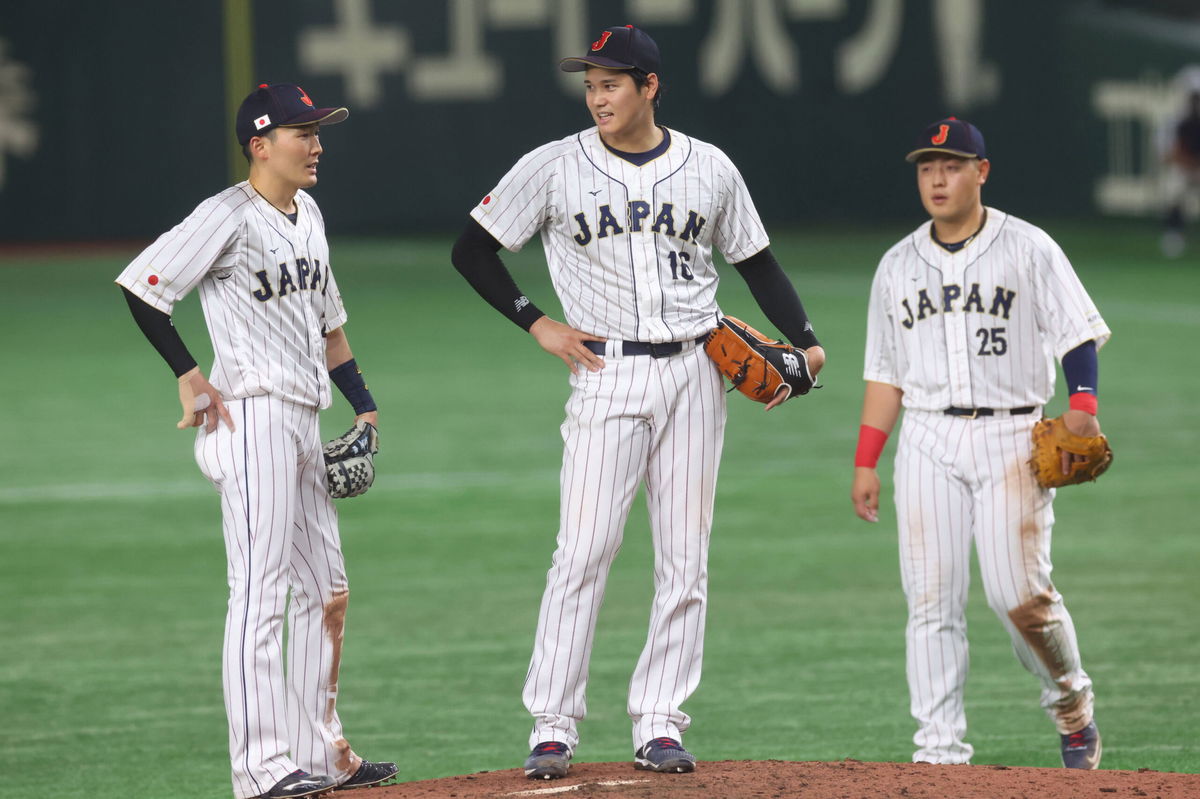
L to R Sosuke Genda, Shohei Ohtani, Kazuma Okamoto JPN, MARCH 16, 2023 – Baseball : 2023 World Baseball Classic Quarterfinal Game between Italy – Japan at Tokyo Dome in Tokyo, Japan. PUBLICATIONxNOTxINxJPN 213572263
Imago
L to R Sosuke Genda, Shohei Ohtani, Kazuma Okamoto JPN, MARCH 16, 2023 – Baseball : 2023 World Baseball Classic Quarterfinal Game between Italy – Japan at Tokyo Dome in Tokyo, Japan. PUBLICATIONxNOTxINxJPN 213572263
Imago
L to R Sosuke Genda, Shohei Ohtani, Kazuma Okamoto JPN, MARCH 16, 2023 – Baseball : 2023 World Baseball Classic Quarterfinal Game between Italy – Japan at Tokyo Dome in Tokyo, Japan. PUBLICATIONxNOTxINxJPN 213572263
Imago
L to R Sosuke Genda, Shohei Ohtani, Kazuma Okamoto JPN, MARCH 16, 2023 – Baseball : 2023 World Baseball Classic Quarterfinal Game between Italy – Japan at Tokyo Dome in Tokyo, Japan. PUBLICATIONxNOTxINxJPN 213572263
Shohei Ohtani has become the global face of baseball, and if you need proof, just look back at last year’s Tokyo Series. The hype around him was so overwhelming that ticket prices skyrocketed. Now it is happening again at the Tokyo Dome, which is set to host Japan’s games in the World Baseball Classic. And once again, the fan frenzy is in full swing.
Watch What’s Trending Now!
The moment Ohtani stepped in for batting practice at the Tokyo Dome, the energy inside the stadium shifted. Seats filled quickly, cameras were ready, and every towering drive into the seats drew a wave of cheers. But amid all that excitement, a new set of restrictions for Group C of the WBC’s opening round could dampen the mood.
Imagine paying a premium price to watch Ohtani live and not being allowed to take a picture.
According to Kyodo News, “The organizers of Group C of the first round of the World Baseball Classic to be held at Tokyo Dome announced ticket regulations on the 1st, including a ban on posting images and videos of games and practice sessions. This applies to the Group C games from the 5th to the 10th, as well as the warm-up games at Kyocera Dome Osaka on the 2nd and 3rd.”
It definitely sounds a little strange, doesn’t it?


Imago
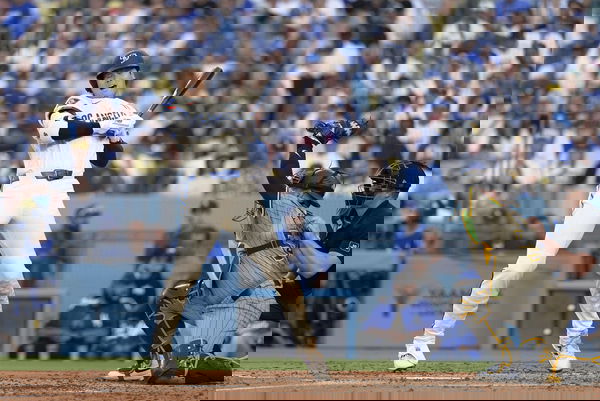
Baseball: Padres vs. Dodgers Los Angeles Dodgers designated hitter Shohei Ohtani dodges a pitch in the second inning of a baseball game against the San Diego Padres at Dodger Stadium in Los Angeles on Aug. 16, 2025. PUBLICATIONxINxAUTxBELxBIHxBULxCZExDENxESTxFINxFRAxGEOxGERxGRExHUNxISLxIRLxITAxLATxLTUxLUXxLIExMKDxNORxPORxPOLxROUxSVKxSUIxSRBxSLOxESPxTURxUKxUAExONLY A14AA0004770469P
Fans are paying premium prices to pack into the Tokyo Dome and watch Japan compete in the WBC group stage. They can cheer, wave flags, and soak in what could be a once-in-a-lifetime atmosphere. But they are not allowed to take a single photo or video to remember it. That is the part that feels jarring to many.
Especially considering the fever pitch surrounding Samurai Japan right now. The buzz is on another level. Airports, shopping malls, and even grocery stores are filled with Samurai Japan merchandise, posters, and countdown displays as the country chases a historic fourth WBC title.
So it is no surprise the restriction has not gone over quietly. This is not exactly the welcome many imagined for Shohei Ohtani’s homecoming.
Frustration has been loud and visible online. And if this sounds familiar, it is because something similar happened last year in Nippon Professional Baseball. Comparable limits were introduced, only to be softened after strong fan backlash.
This time, the rule remains in place. But the pushback is real, and it continues to grow.
Fans are pushing back on the new WBC rule in Japan
What’s wrong with fans experiencing the WBC to the fullest? That’s the question many are asking.
“Japan likes to make it difficult to enjoy their sh**,” one fan wrote on Reddit. “J-Pop fans are very familiar with this,” another added.
To American fans, that reaction might sound a bit dramatic. But in Japan, strict photo and video policies are not unusual. At J-Pop concerts, for example, filming is often banned for the entire show. So applying similar restrictions during the WBC is not completely out of character for Japanese events.
Still, that does not mean it enhances the experience. Part of attending a game, especially when someone like Shohei Ohtani steps into the batter’s box, is capturing the moment. Fans want a clip of the towering home run. They want a photo of the follow-through. And naturally, they want to share it. That kind of digital engagement has become part of how global events grow.
This time, though, WBC games in Japan are limiting that freedom. And that is where the tension begins to build. “I mean, not being able to live stream the game makes sense, but banning posting pictures from the game on Instagram is bizarre,” one user wrote.
Some argue that these policies could hurt the tournament’s global reach. “Wanna watch a Yomiuri Giants game online in America? Well, too bad!” another user commented. For American fans hoping to tune in to a game at the Tokyo Dome, access is not always simple.
While tighter control may drive traffic to official broadcast partners in the short term, critics question whether limiting organic sharing is a sustainable strategy for growing the event’s international popularity over time.