
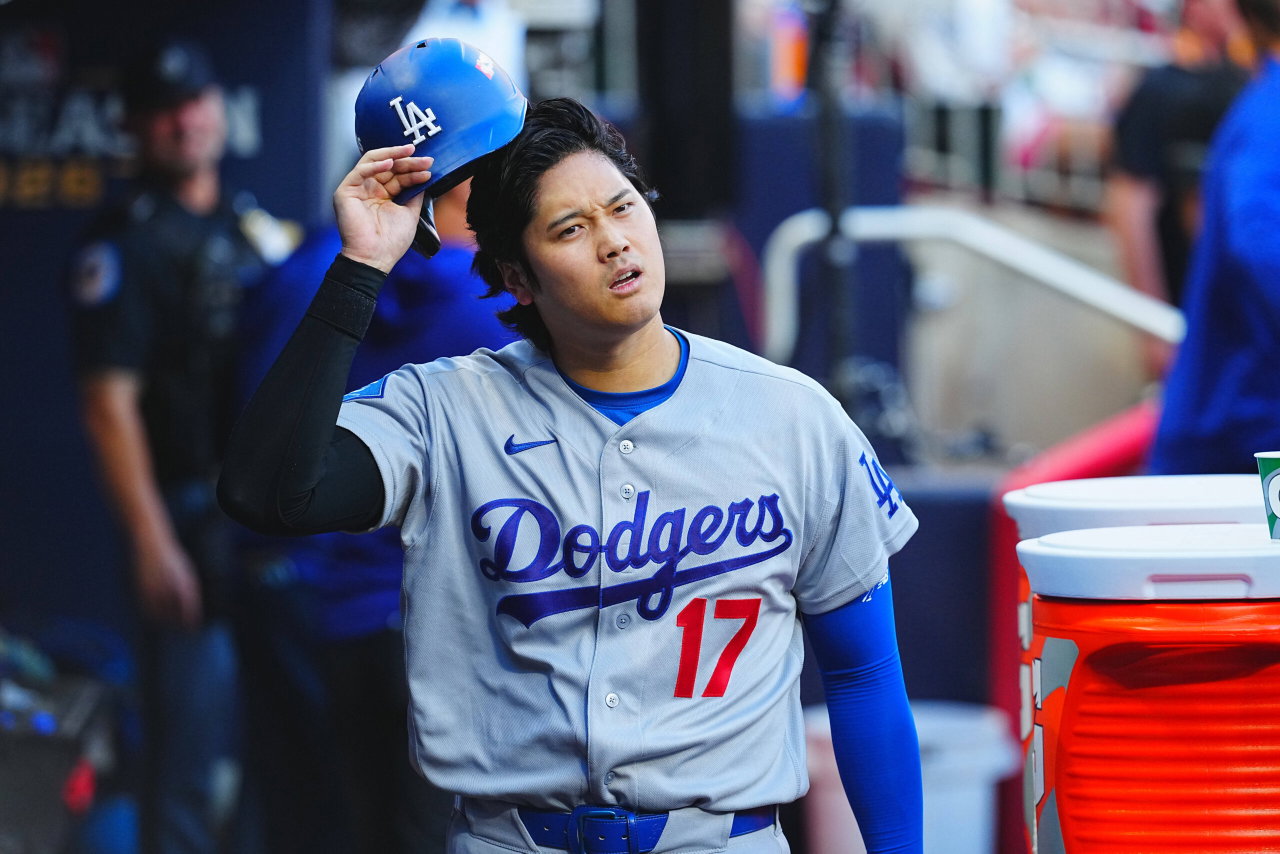
For MLB, the biggest threat may not be a ball crossing the plate but the information exchanged before it gets there. As the trial involving Cleveland Guardians pitchers Emmanuel Clase and Luis Ortiz over alleged pitch-rigging continues to expose the murky side of baseball betting, Friday’s testimony may have opened a much bigger can of worms. A government witness admitted receiving inside information before placing bets. He also revealed that those tips began drying up after Shohei Ohtani’s former translator, Ippei Mizuhara, was arrested over illegal bookmaking activities.
Watch What’s Trending Now!
Ohtani himself has not been charged; the connection is through his former translator’s arrest. But the revelation could push MLB’s betting controversy far beyond the two pitchers currently at the center of the trial.
If betting insiders were exploiting advance information long before Clase and Ortiz came under scrutiny, the league could be facing a problem far deeper than an isolated scandal. The question now is whether MLB has only uncovered a small piece of a much larger betting operation.
“During the federal trial of pitchers Emmanuel Clase and Luis Ortiz on Friday, a government witness testified that inside information he used to bet on pitches in 2023 decreased in 2024 amid the gambling scandal surrounding Shohei Ohtani’s interpreter,” the New York Post quoted ESPN.
During testimony in federal court, a government witness named Luis de Aza Baez revealed the uneasy facts. He explained that he won thousands of dollars in 2023 by obtaining inside information about Clase’s upcoming pitches. However, when he asked his contact for more tips ahead of the 2024 MLB season, he was told that “because of what was going on with Ohtani, there was no more information like that.”
Reportedly, the massive wave of MLB and federal scrutiny surrounding the March 2024 gambling scandal involving Ohtani’s former interpreter effectively scared the pitch-rigging operators into silence and dried up their inside information pipeline.
The witness at the center of this revelation is Luis de Aza Baez, a former Uber driver who agreed to testify in exchange for dropping wire fraud charges. He agreed to testify truthfully and forfeit $69,000 in sports betting winnings in exchange for the federal government dropping a wire fraud charge against him.
According to his claims, he did not get pitch information directly from Emmanuel Clase. Instead, the tips were funneled to him by a mutual friend and associate of Clase named Enoc Peña. The tips often came through a group text chat ironically named “Uber Inc.” that included other drivers.
The group used code words to hide their betting coordination. For example, “killing the first two chickens” allegedly meant Clase would rig a pitch against the third batter.
If these claims hold up, MLB faces a far bigger problem than two pitchers: evidence of a systematic betting operation.
However, Clase’s defense attorneys are pushing back hard against this testimony. They argue that Peña is a “serial liar” and a gambling addict who was exploiting his friendship with Clase to scam his own friends.
The defense argues prosecutors misinterpreted the “chicken” code. the men were discussing legal cockfighting, a sport Clase participates in.
The trial is expected to continue for a month. And by how it is proceeding, a few more uneasy revelations could just be around the corner. For the former Guardians players, though, a few supporters are still on their side.
Former MLB catcher takes stands by the main accused
Former Guardians catcher testified in defense of his former teammates Clase and Ortiz as a defense witness. According to him, he had no idea gamblers could place prop bets on individual pitches until this criminal case came to light.
Naylor reportedly caught seven of the 18 pitches Clase is accused of rigging. He testified that they simply looked like common sliders outside the strike zone. He noted that game strategies frequently called for low-and-away sliders as a “weapon” against certain hitters.
However, while Naylor claimed his innocence in the case, he did acknowledge during cross-examination that he frequently saw Clase on his mobile phone in the clubhouse. This is a detail prosecutors are using to allege that Clase was communicating with external bettors.
The verdict could reshape how MLB polices betting and player conduct.