
Baseball’s labor negotiations needed a breakthrough, but MLB’s latest move has delivered another disagreement. The league changed a key part of its financial proposal on November 24, hoping to address the players’ concerns. Instead, the MLBPA remains unconvinced, leaving both sides with little time before the December 1 deadline.
Watch What’s Trending Now!
“Instead of holding back player money each year, MLB’s new proposal is to take that same amount of money out of players’ pockets in the following year. It’s a different way of achieving the same objective of the salary cap,” said MLBPA interim executive director Bruce Meyer.
MLB withdrew its escrow proposal on November 24, hoping to ease players’ concerns. MLB spokesperson Glen Caplin said the league was “withdrawing our escrow proposal” to protect guaranteed contracts. He said the change removed “any doubt” that every guaranteed deal would remain fully guaranteed. The announcement followed months of disagreement over the league’s proposed salary cap and floor.
Yet the change has not brought the MLBPA closer to accepting the owners’ central demand. With December 1 approaching, another disagreement has emerged instead of progress.
Escrow means holding back part of players’ salaries until league revenue and total compensation are compared. MLB initially proposed withholding 10% to manage differences between projected and actual revenue. If players collectively received more than their proposed 50% revenue share, withheld money could cover overpayments.
For example, a revenue shortfall could leave players losing part of their withheld compensation. MLB’s revised plan removes paycheck withholding, but carries overpayments into future cap calculations. It also allows revenue figures delayed by up to two years following an overpayment.
That future adjustment explains why interim union director Bruce Meyer rejected MLB’s latest change. He said eliminating escrow offered “no real benefit” under the proposed cap system. Meyer argued MLB would take the same money from players the following season instead.
If salaries exceed the agreed share, future cap and floor figures could fall. That could leave teams less room when negotiating with free agents and established veterans. Meyer says the structure would suppress salaries and restrict players’ freedom of movement.
The union’s concerns also reflect what players have experienced under other leagues’ escrow systems. The NBA withholds 10% of salaries to keep player compensation near 51% of basketball revenue. In 2025, NBA players forfeited more than $480 million from escrow after revenue fell short.
NHL players also faced salary withholding for six consecutive seasons before the pandemic. The NHL later ended regular escrow withholding, and players received a record $170 million rebate in 2025-26. Those outcomes show withheld money can be lost or returned, depending on league revenue.
Meyer’s objection also comes amid wider disagreements over MLB’s proposed financial changes. MLB has offered higher minimum salaries, arbitration bonuses, veteran signing incentives, and earlier free agency. It also proposed a $258.2 million cap and a $180.2 million floor beginning in 2028. The union says targeted bonuses do not increase total compensation, but redistribute money between players. Its counterproposal instead supports equal media revenue sharing and incentives for smaller-market clubs. That approach seeks competitive balance without limiting what teams can spend on players.
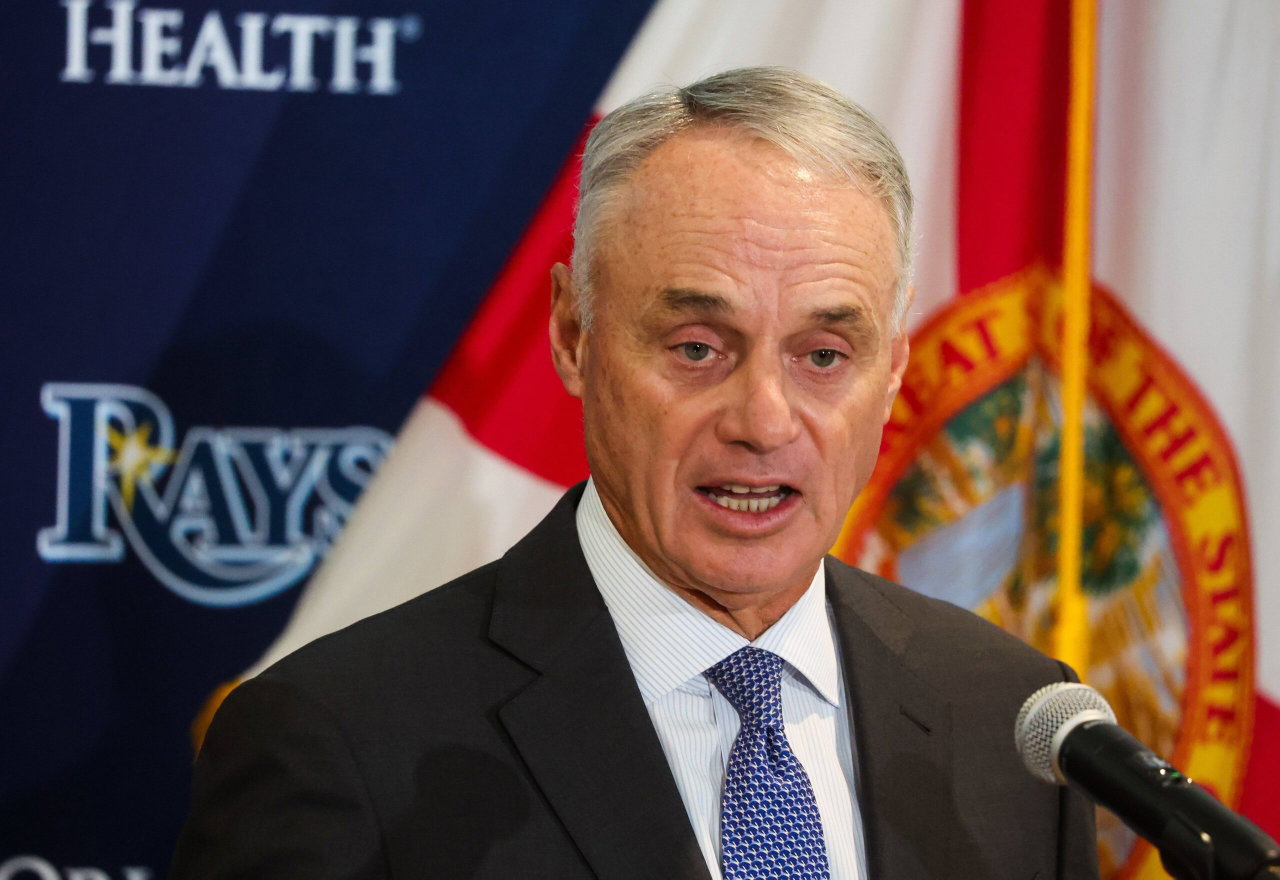
The two sides remain far apart, with Commissioner Rob Manfred saying owners need a cap. “I can’t imagine owners ratifying a deal without a cap and floor,” Manfred said. The MLBPA has repeatedly rejected a hard limit on player compensation.
The current agreement expires at 11:59 p.m. ET on December 1. If no deal is reached, owners are expected to lock players out beginning December 2. Trades, free-agent signings, and team contact with 40-man roster players would stop. A prolonged shutdown could disrupt spring training and threaten the 2027 season.
MLBPA accepts MLB’s media revenue proposal
MLB owners proposed pooling all media revenue and dividing it equally among 30 clubs. The MLBPA has accepted that element, but not the salary-cap conditions attached by owners. That matters because players support shared revenue without accepting limits on their salaries overall. MLB local media revenue reached $1.8 billion this year, down $575 million from peak levels.
The players maintained their demand for hundreds of millions in non-media revenue transfers too. That money would move from high-revenue clubs toward teams with smaller local income streams. The union says its plan would provide low-revenue clubs more than $1 billion in assistance. Support rises from roughly $700 million in 2026 to over $950 million in 2027.
The MLBPA wants these changes immediately, a year before the owners’ proposed start date. It says the plan addresses changing media deals and removes excuses for continuing blackouts. For fans, regional restrictions can still block access to hometown games through local broadcasts. The union says its proposal “removes any league excuses” for continuing regional blackouts across markets.
But sending money to smaller clubs means little if owners simply hoard subsidies instead. The MLBPA wants penalties for teams that hoard funds instead of actively improving rosters. For example, a recipient club could face consequences if support never directly strengthens its lineup. Rewards include $20 million for playoff teams or stronger non-qualifiers, and $10 million above .500 records.
Players want to keep bargaining rights rather than hand subsidy authority to the commissioner. That would keep subsidy decisions within negotiations between players and MLB owners themselves. The wider plan offers $20 million for postseason berths and $10 million for records above .500. As December 1 approaches, the media-sharing agreement has not resolved baseball’s wider labor dispute yet.