
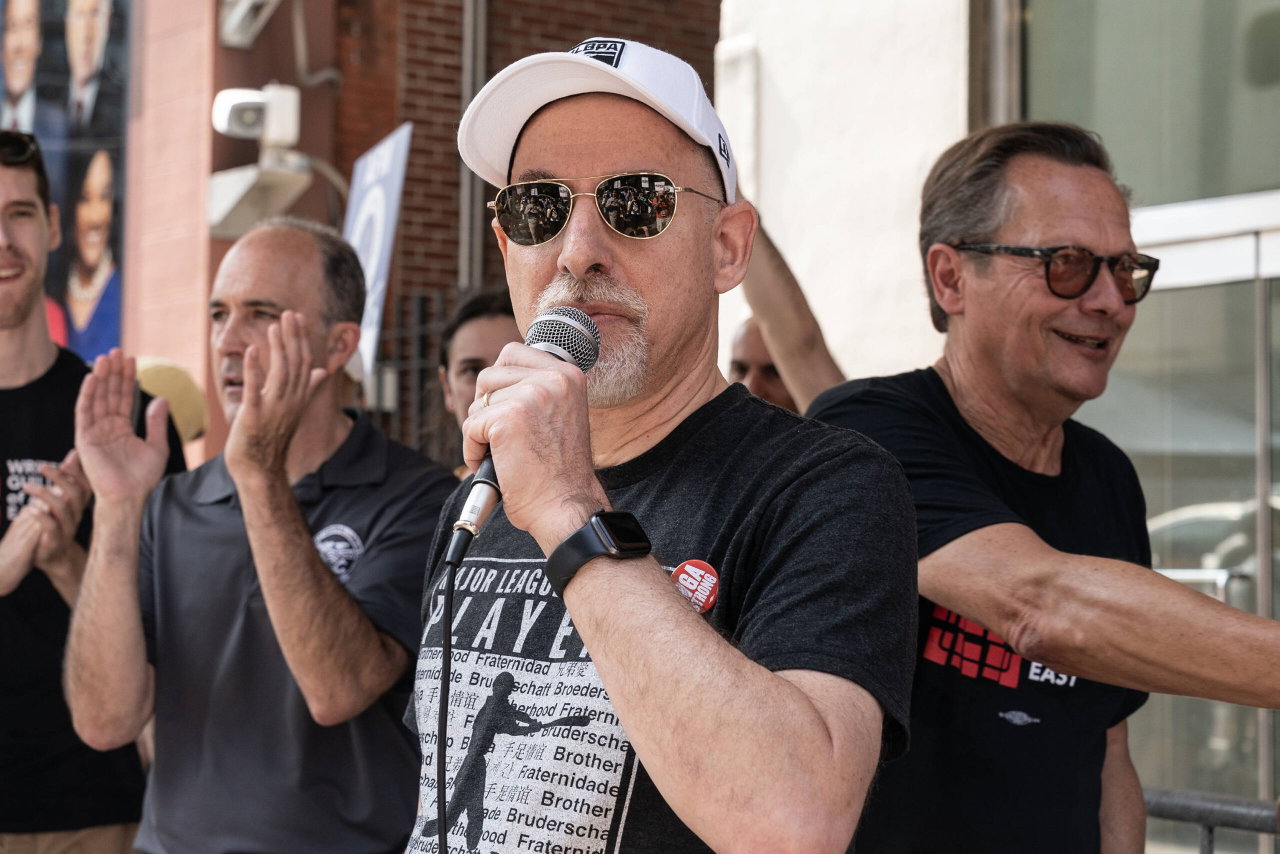
Major League Baseball’s ongoing collective bargaining negotiations have produced another setback for team owners, with the MLB Players Association rejecting a longstanding proposal to introduce an international amateur draft. The decision came during the latest round of discussions on Friday, November 20, as both sides continue to negotiate changes to the league’s player acquisition system ahead of the expiration of the current collective bargaining agreement.
Watch What’s Trending Now!
Evan Drellich of The Athletic reported, “The MLBPA in bargaining with the league today made its international amateur proposal. The union did not propose an international draft, which the owners have long sought.”
MLB has been attempting to establish an international draft for more than two decades. However, the players’ union has consistently opposed the idea, arguing that the proposed system would impose additional restrictions on young international prospects and limit their opportunities to negotiate with teams.
The latest rejection comes alongside another significant development concerning the domestic amateur draft. MLB has officially withdrawn its proposal to make high school players ineligible for the draft, meaning the league will retain the existing eligibility rules for domestic amateur prospects.
The two developments represent important outcomes for the MLBPA as it attempts to protect the rights and earning opportunities of young players during increasingly tense labor negotiations.
According to the Associated Press, the union rejected MLB’s international draft proposal and instead presented its own framework focused on improving the existing signing bonus pool system.
The league had initially proposed introducing a 12-round international draft in 2027. Under the proposed system, international prospects would be selected through a structured draft rather than negotiating directly with teams under the existing signing period.
MLB believes such a system would address longstanding problems involving corruption, unofficial agreements and financial arrangements between clubs, trainers and young prospects.
The current international signing system primarily covers players from countries such as Venezuela, the Dominican Republic, Colombia, Mexico and Panama. Unlike American high school and college players, international prospects can sign professional contracts as young as 16, although informal agreements with teams and trainers sometimes take place years earlier.
MLB spokesperson Glen Caplin reiterated the league’s position following Friday’s negotiations, arguing that an international draft would provide greater transparency and address the underlying problems within the current system.
However, the MLBPA remains unconvinced.
“We are committed to negotiating a system that preserves opportunities for future generations of players, protects young prospects from exploitation, and provides flexibility without further burdening international players with new artificial restrictions like a draft,” interim executive director Bruce Meyer said in a statement.
Instead of accepting MLB’s proposal, the union suggested increasing signing bonus pools under the existing system and introducing stricter penalties for teams involved in unauthorized agreements with international prospects.
Among its proposals, the MLBPA wants clubs that enter into prohibited agreements with international amateurs to lose the right to sign those players. Teams would also face financial penalties, including forfeiting the signing bonus pool. The union additionally proposed establishing a joint compliance officer to oversee the system.
The players’ association believes these changes would address corruption without eliminating the negotiating opportunities currently available to international prospects.
MLB Withdraws High School Draft Proposal
The international draft was not the only major issue addressed during Friday’s negotiations. MLB also made an important concession concerning its proposed changes to domestic amateur eligibility.
In June, the league proposed eliminating high school players and younger junior college players from the MLB Draft, effectively requiring prospects to wait until they were at least 20 years old and two years removed from their high school graduating class before becoming eligible.
The proposal was intended to shift the domestic draft toward college baseball, which MLB believes has become a stronger development pathway because of expanded scholarships, Name, Image and Likeness (NIL) opportunities, revenue sharing and improved facilities.
Under the original proposal, the domestic draft would also have been reduced from 20 rounds to 12 beginning in 2027. MLB argued that keeping more prospects in college would provide them with additional development opportunities and potentially prepare them better for professional baseball.
However, the MLBPA strongly opposed the idea, claiming that it would eliminate more than $1 billion in player compensation across the domestic and international amateur systems over five years.
The union also argued that preventing high school players from entering the draft would deprive young prospects of a fundamental opportunity to begin their professional careers.
MLB has now withdrawn that portion of its proposal following feedback from the players’ association.
“In recognition of the feedback we received from the MLBPA on our domestic amateur proposal, we made a concession today by withdrawing our proposal on high school eligibility and proposed to maintain the current entry rules for domestic amateurs,” Caplin said.
Consequently, high school players will retain their existing pathway into professional baseball rather than being forced to wait until they meet the proposed age and college eligibility requirements.
These developments come at a particularly important time for baseball, with the current collective bargaining agreement set to expire at 11:59 p.m. ET on December 1, 2026.
Owners are expected to impose a lockout immediately after the agreement expires, setting the stage for another potentially difficult labor dispute. The biggest disagreement remains MLB’s push for a salary cap, something the players’ association has repeatedly opposed.
The international draft and domestic amateur eligibility proposals have added another layer to the negotiations, particularly because they involve the financial future of players who have yet to reach the major leagues.
Although MLB has withdrawn its proposed restrictions on high school eligibility, the two sides remain divided over the international signing system. The union’s latest counterproposal suggests that it wants to address existing problems without fundamentally changing how international prospects enter professional baseball.
With the December 1 deadline approaching, neither side appears close to resolving the broader disagreements. The latest developments represent a victory for the MLBPA on amateur player eligibility. Still, the rejection of the international draft is unlikely to end owners’ efforts to reform the system in future negotiations.