
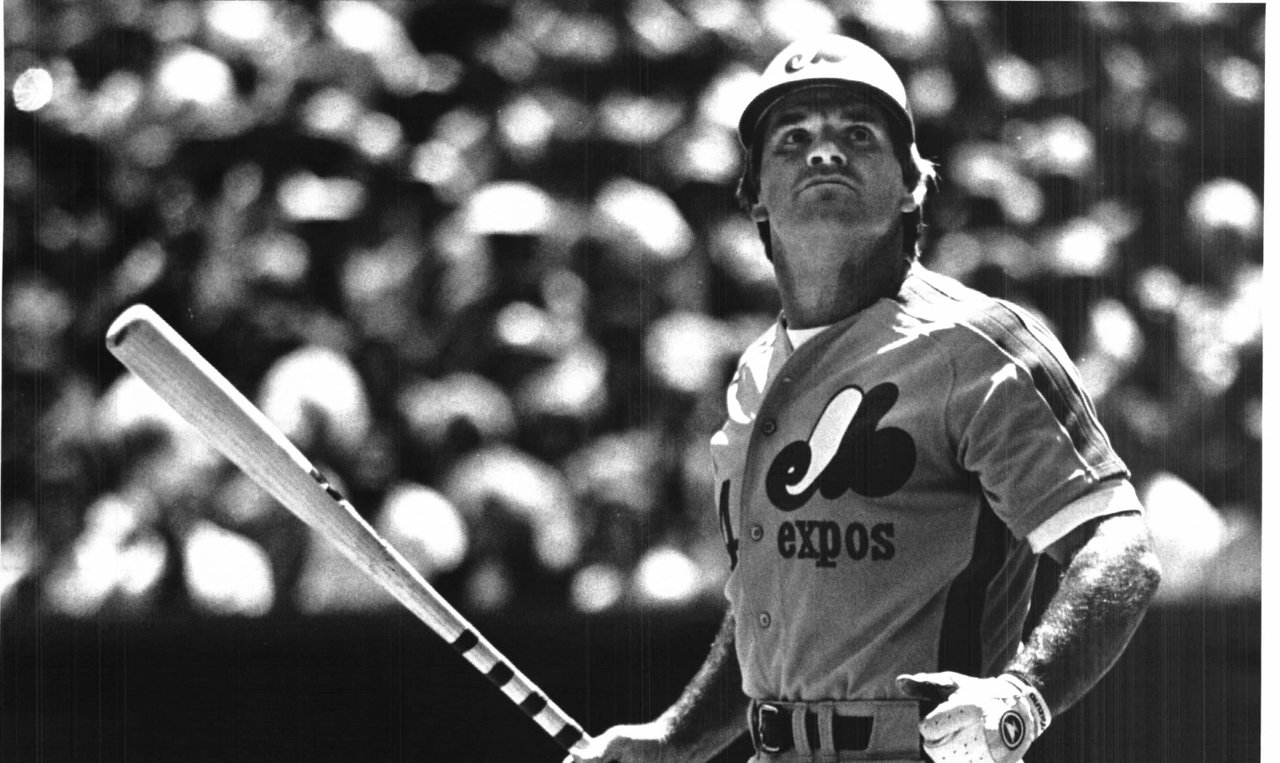
Pete Rose, the former Cincinnati Reds player-manager, collected 4,256 hits, 65 more than Hall of Fame outfielder Ty Cobb, yet spent more than three decades shut out of baseball and Cooperstown. Now Rose’s name is back in a White House conversation, but not for the reason his supporters hoped.
Watch What’s Trending Now!
Donald Trump, the US President, broke the news on Truth Social. In a post on Thursday, November 19, he wrote, “I have just given a Complete and Total Pardon to the Late, Great Pete Rose, a true Baseball SUPERSTAR & LEGEND.”
Though Trump framed the move as a tribute to Rose’s baseball legacy, it addresses only his 1990 tax conviction. Rose pleaded guilty to two counts of filing false tax returns after hiding $354,968 in income. Hall eligibility stays under baseball’s own voting rules, not federal clemency.
Trump had telegraphed the move days earlier. At a White House briefing on Monday, November 9, beside UFC CEO Dana White, he said, “He was gambling. He shouldn’t have done it, but he went through 40 years of hell… and they should have given him a pardon.”
Trump’s 40-year stretch loosely stretches back to Rule 21, baseball’s gambling rule. Rose accepted a ban in August 1989 after investigator John Dowd found he bet on Reds games as manager from 1985 to 1987. He denied it for 15 years before a 2004 admission.
Trump then widened the argument. In the same post, he compared Rose to Roger Clemens, the retired pitcher, saying Rose was “treated terribly by Major League Baseball in not allowing him to go into the Baseball Hall of Fame. Politics, I guess!”
Clemens owns a record seven Cy Young Awards, yet steroid allegations keep him out of Cooperstown. He denied using performance-enhancing drugs and was acquitted at trial of lying to Congress. Both cases show how the Hall’s gatekeepers treat off-field baggage.
Rose is not the only former star Trump has forgiven. Darryl Strawberry, the former Major League Baseball star, received a full pardon in November 2025 for a 1995 federal tax-evasion plea involving over $350,000 in unreported income. Pardons cover only federal offenses, so his 1999 Florida drug conviction stood. Both pardons target federal tax convictions, signaling Trump’s focus on financial offenses over on-field conduct.
Baseball itself acted before the White House did. MLB Commissioner Rob Manfred ruled in May 2025 that bans end at death, covering 17 people, including Shoeless Joe Jackson, the former Chicago White Sox outfielder. Rose died in 2024, so the pardon is symbolic and cannot restore his Hall of Fame eligibility or any other benefit to him personally.
Voters, not the White House, will decide what comes next.
What the pardon means for Rose’s Cooperstown case
That gap between clemency and election now defines Rose’s next chapter, and the family’s attorney already has a clear argument ready. A pardon cannot add a single vote to a Hall of Fame ballot.
In an interview with Reuters, Jeffrey Lenkov, the attorney who has represented the Rose family in its reinstatement push, called the pardon a “benevolent gesture” by Trump, “but it would have been better to have occurred when he was alive.”
Looking ahead to a possible vote, Lenkov also said in the same Reuters interview, “The impact on the Hall is difficult to surmise. Pete is very polarizing.”
Polarizing fits a résumé that cuts both ways. Rose logged 3,562 games, 17 All-Star selections, three NL batting titles, and the 1973 NL MVP, yet he also carries the 1989 ban and a federal conviction. Lenkov will stress that production and argue Rose “paid back any debt.”
That résumé will meet an untested process. The Classic Baseball Era Committee has never voted on a banned player because a 1991 Hall of Fame board rule barred anyone on the permanently ineligible list. Manfred’s ruling removed that obstacle, so Rose becomes eligible at the December 2027 vote, with induction in 2028 at the earliest.
The pardon will not tip that process. A federal pardon clears only federal convictions, such as Rose’s tax charge, and holds no authority over the independent Hall. The character clause directs voters toward integrity and sportsmanship, so betting on games remains the main barrier.
That leaves Rose’s camp with one path forward. A pardon has settled his tax record, but the Classic Baseball Era Committee in December 2027 will decide whether 4,256 hits outweigh the gambling ban that kept him off the ballot for decades.