
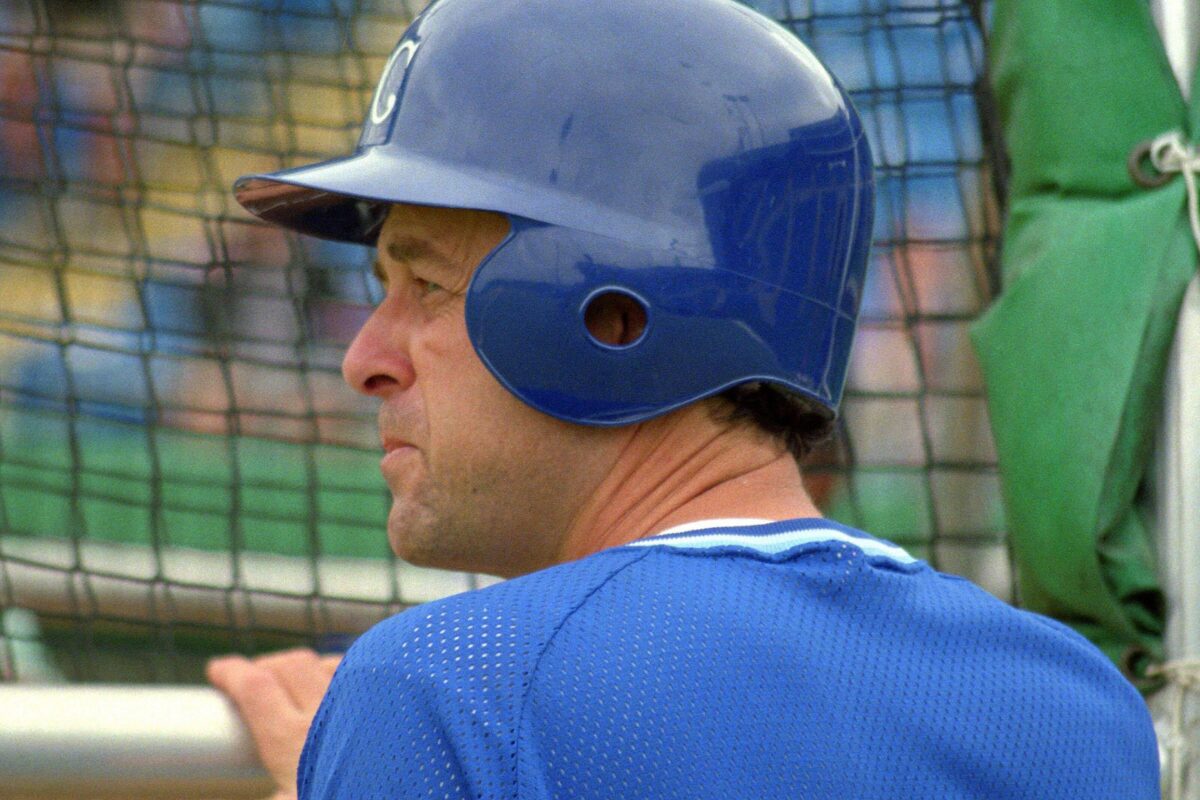
Bob Boone, the Philadelphia Phillies catcher who retired with a then-record 2,225 games caught and seven Gold Gloves, passed away at 78. His son Bret Boone, a three-time All-Star second baseman, shared the news on social media and later paid tribute to the man who shaped his career.
Watch What’s Trending Now!
The tribute was personal and direct.
In a post on X, Bret wrote, “My dad- He was my mentor, my coach, my rock. He taught me how to be a pro and more importantly, how to be a man. He was one of the highest integrity people I’ve ever known, and I’m going to miss him dearly. Baseball lost a great one yesterday. RIP Dad, I love you”
Those words about a mentor and coach were meant literally.
After the Cincinnati Reds acquired Bret ahead of the 1994 season, Bob was hired shortly afterward as the club’s bench coach. The two kept a strict professional boundary to avoid any hint of favoritism in the clubhouse.
That discipline fit two men who both reached the top of the sport. Bret won four Gold Gloves and made three All-Star teams, mostly with the Seattle Mariners, while Bob piled up seven Gold Gloves behind the plate. Few father-son pairs in the majors have matched that defensive résumé.
The family’s baseball reach did not stop with Bret. Aaron Boone, the now-manager of the New York Yankees and an infielder in his playing days, played 12 seasons in the major leagues, when he also played for the Reds under his father.
In 2003, both brothers made the All-Star Game, which made the Boones the first family where every member across three generations reached the Midsummer Classic.
Beyond the family, his old teammates spoke of the same character.
Mike Schmidt, the Hall of Fame third baseman, said in a statement, “We played in the minors together where he gave up third base so I could play it, only to become one of the best catchers in baseball history. … Our lives and careers were intertwined; we pursued our Christian faith together, worked out together, and became world champions together.”
A sixth-round pick out of Stanford University in 1969, Boone moved from third base to catcher in the minors. He was the regular Phillies catcher from 1973 onwards and was behind the plate in 1,095 games for the team, second only to their former catcher Red Dooin’s 1,124.
He did not slow down after leaving the Phillies.
Boone played 147 games catching for the California Angels in 1985, leading the American League in that category for the fourth consecutive time, while throwing out 41.6 percent of baserunners.
All seven of his Gold Gloves came after age 30.
Those years behind the plate gave Boone the credibility to manage, but the opportunity took longer than expected.
Bob Boone’s second act in the dugout and front office
In the early 1990s, Boone emerged as the designated manager of the Orlando SunRays, vying for a National League expansion team. In June 1991, MLB awarded the franchises to Miami and Denver, which became the Marlins and Rockies, and Boone had to wait four more years.
His chance came in 1995, when the Kansas City Royals hired him to succeed manager Hal McRae. Boone went 181-206 (.468) over 387 games and was let go during his third season.
He next managed the Cincinnati Reds from 2001 to 2003, going 190-238 for a career mark of 371-444. That included managing his son Aaron Boone.
Away from the dugout, his career took a steadier turn. The front office suited him better.
He joined the Washington Nationals in 2005 as an assistant to general manager Jim Bowden.
In the same year, the Phillies inducted Boone into their Wall of Fame as their 27th member.
Boone was VP of player development 2006-2013 for the Nats; by 2019, he was a senior adviser to GM Mike Rizzo. He resigned in 2021 over the team’s vaccine mandate for non-playing employees.
Even so, his legacy sits behind the plate.
Boone retired with 2,225 games caught, seven Gold Gloves, and a 1980 World Series ring, and Bret’s words show that the lessons he taught outlasted everything.