Scott Boras Pushes for Sweeping Fixes After Tony Clark Exit as MLB Told to Emulate NFL Model Amid Looming Labor War

ADD US ON GOOGLE
Feb 25, 2026 | 7:30 AM EST
USA Today via Reuters
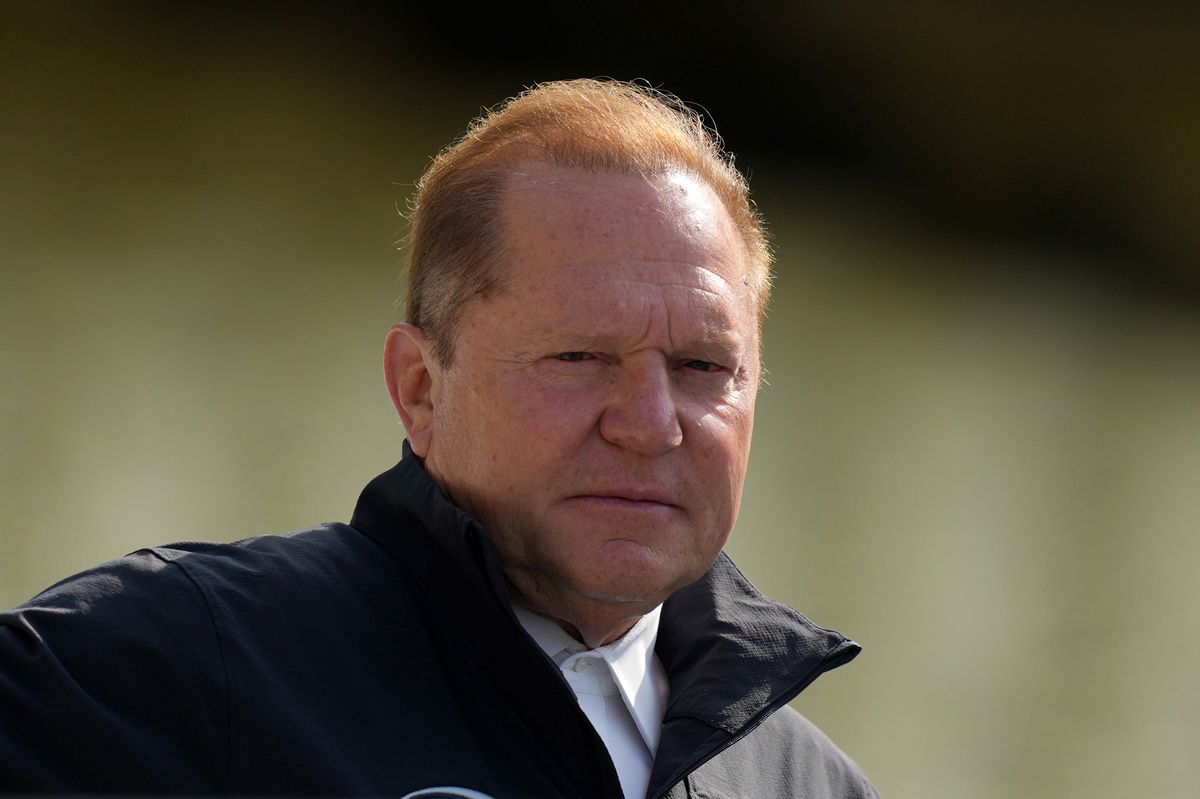
Jun 4, 2022; Los Angeles, California, USA; Sports agent Scott Boras attends a game between the Los Angeles Dodgers and the New York Mets at Dodger Stadium. Mandatory Credit: Kirby Lee-USA TODAY Sports
USA Today via Reuters
Jun 4, 2022; Los Angeles, California, USA; Sports agent Scott Boras attends a game between the Los Angeles Dodgers and the New York Mets at Dodger Stadium. Mandatory Credit: Kirby Lee-USA TODAY Sports
USA Today via Reuters
Jun 4, 2022; Los Angeles, California, USA; Sports agent Scott Boras attends a game between the Los Angeles Dodgers and the New York Mets at Dodger Stadium. Mandatory Credit: Kirby Lee-USA TODAY Sports
USA Today via Reuters
Jun 4, 2022; Los Angeles, California, USA; Sports agent Scott Boras attends a game between the Los Angeles Dodgers and the New York Mets at Dodger Stadium. Mandatory Credit: Kirby Lee-USA TODAY Sports

The next CBA is shaping up to be one of the most contentious we’ve seen in a long time. Players and owners look headed for a real showdown over the salary cap, and all signs are pointing toward a potential MLB lockout. Remember, the last time baseball went down that road was in 1994–95. History could repeat itself if owners push hard for a full overhaul of the sport’s economic system!
Watch What’s Trending Now!
On the players’ side, leadership has made it clear they won’t even consider a capped system. That stance has only intensified tensions, particularly with added turmoil inside the MLBPA after executive director Tony Clark stepped down amid financial fraud allegations.
So, where does that leave us heading into the 2026 CBA? According to super-agent Scott Boras, there may be a path forward, an NFL-like model that could make the system work.
“We know that over the last five years, we’ve had record revenues. We’ve had record attendance and record media ratings. We have all of that. We also have the death of the cable system, which can now be negotiated right now. So, the idea of what can be done, everyone knows that the NFL and the NBA have listened to the media vendors. And by doing so they in a collaborative measure they have created a dynamic where they’ve created billions and billions of dollars of value that has not come to baseball.”
Boras said in a podcast with the New York Post Sports.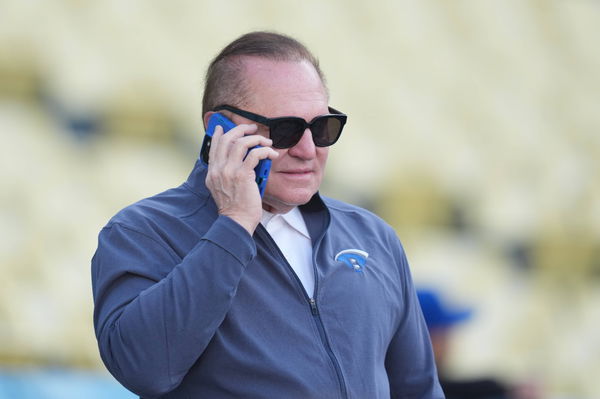
Imago
MLB, Baseball Herren, USA Colorado Rockies at Los Angeles Dodgers Apr 14, 2025; Los Angeles, California, USA. Sports agent Scott Boras talks on a cell phone before a game between the Colrorado Rockies and Los Angeles Dodgers at Dodger Stadium. Los Angeles Dodger Stadium California USA, EDITORIAL USE ONLY Copyright: xKirbyxLeex 20250414_jhp_al2_0082
So, according to Boras, a big reason the NBA was able to lock in that massive 11-year, $76 billion deal is that it sells the league nationally.
MLB, by contrast, is still built around regional TV deals. And the bigger issue, in Boras’s view, is that MLB’s current media rights are badly undervalued despite baseball’s popularity and revenue having been climbing steadily in recent years!
For reference, in 2024, MLB brought in a record $12.1 billion in gross revenue. That’s about $500 million more than its previous high in 2023. That momentum carried into 2025, fueled by a surge in global viewership and a third straight year of rising attendance at ballparks.
On top of that, MLB became only the second North American sports league, after the NFL, to generate more than $2 billion a year in sponsorship revenue with a staggering 68% jump since 2022.
However, with all that growth, Boras keeps coming back to the same question. If MLB is this strong, why can’t it land a truly lucrative national media deal?
Reportedly, MLB had a $4 billion, 7-year deal with ESPN that the latter just forfeited. Per Boras, if that could have been $20 billion, most of the financial stress owners complain about would disappear. And it wouldn’t even be a labor issue anymore. Hence, media rights alone could solve many of baseball’s problems, even with the MLBPA currently in flux following Tony Clark’s departure.
Still, there’s plenty of skepticism. ESPN recently walked away from its Sunday Night Baseball package, which had been worth about $550 million per year. When MLB sold the same inventory to NBC for the next three years, it fetched only $200 million per year. So, that gap raises a real question: can a national media strategy actually work for MLB the way it has for the NFL and NBA?
MLB’s volume is what makes national media rights look unviable
An NFL-like national media model might sound like easy money for MLB. Even commissioner Rob Manfred has publicly pushed in that direction. But the reality is a lot more complicated. Why? Because, unlike the NFL, where 17 weekly games create massive national interest, baseball’s 162-game schedule makes it almost impossible to nationalize the product in the same way.
Moreover, local TV money has traditionally been a huge part of MLB. They account for anywhere from 12% to 32% of total revenue. And when clubs were forced to move from regional sports networks to MLB’s in-house national distribution, the results haven’t been pretty. On average, those teams saw payouts drop by about 50% compared to what they had been receiving under their old cable deals.
That’s where the tension really shows.
Big-market teams like the Dodgers make a fortune off their local media rights. So, from their perspective, it feels unfair to give that up in exchange for a smaller slice of a national revenue pool. So, if MLB wants a smoother path to a new CBA by 2026, it has to find a middle ground. One that protects the interests of big-market teams while still addressing the broader economic concerns across the league.