Imago
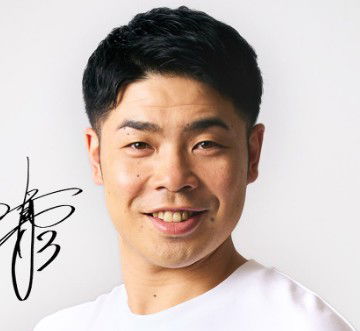
Hiromi Itoh. Image credits: Instagram.
Imago
Hiromi Itoh. Image credits: Instagram.
Hiromi Itoh is part of Japan’s new generation of power pitchers. Calm on the mound, he mixes focus with quiet intensity. Fans know him as a key arm for the Hokkaido Nippon-Ham Fighters.


Where is Hiromi Itoh from, and what is Hiromi Itoh’s nationality?
Watch What’s Trending Now!
Hiromi Itoh was born on August 31, 1997. He was born and raised in Japan. That makes him Japanese by nationality and allows him to represent his country professionally. Details about his exact birthplace are kept fairly private. Still, his development followed the traditional Japanese baseball path. He grew up in a culture where discipline and repetition matter. Baseball clubs after school likely shaped his early years.
As a teenager, he committed himself to pitching seriously. High school baseball in Japan is intense and competitive. Many players chase dreams through regional tournaments. Itoh pushed through that system with steady growth. He later attended college in Japan, continuing his baseball development. University baseball helped refine his control and stamina. Coaches focused on mechanics, mental strength, and preparation. That stage prepared him for professional competition.
By his early twenties, he was ready for Nippon Professional Baseball. Draft day changed everything. Soon after, he joined the Hokkaido Nippon-Ham Fighters. From there, his national identity turned into national responsibility.
What is Hiromi Itoh’s Ethnicity?

Hiromi Itoh is ethnically Japanese. His background reflects Japan’s cultural and social roots. Public records show no mixed heritage. His parents are believed to be Japanese as well. However, detailed information about his family remains private. Like many athletes in Japan, he keeps family matters quiet. The spotlight stays on performance, not personal life. Growing up in Japan shaped his mindset deeply. Respect for elders, attention to detail, and patience stand out. Those values often show in his pitching rhythm. He rarely looks rattled on the mound.
Japanese baseball culture emphasizes fundamentals first. Itoh’s mechanics reflect that schooling. Clean delivery. Balanced posture. Controlled breathing before each pitch. Ethnicity, in his case, is tied closely to cultural upbringing. He carries the quiet determination often associated with Japanese athletes. Preparation matters more than flash. Team success outweighs individual fame. That foundation explains much about his steady rise.
Is Hiromi Itoh Christian?
There is no public information suggesting Hiromi Itoh is a Christian. He has not spoken openly about practicing Christianity. Like many Japanese athletes, he keeps religion private. Japan blends Shinto and Buddhist traditions culturally. Many families participate in ceremonies without strict labels. Itoh may follow similar cultural customs. However, no publicly available details exist.
In interviews, he focuses mostly on baseball preparation. He talks about training, teammates, and improvement. Religion rarely appears in those conversations. Japanese professional sports culture does not emphasize public statements of faith. Athletes often separate personal belief from public identity. Itoh seems to follow that pattern.
Without official confirmation, labeling his religion would be speculation. What stands clear is his commitment to craft. His discipline, work ethic, and calm presence define him more than his religious affiliation.
Hiromi Itoh represents modern Japanese baseball talent. Born in 1997, he grew up within Japan’s competitive system. His nationality and ethnicity are fully Japanese. Family details stay mostly private. Religion remains undisclosed publicly. What fans clearly see is dedication. From school fields to professional stadiums, he kept progressing. Step by step. Quietly. Now he stands as a reliable pitcher, carrying Japan’s baseball tradition forward.