
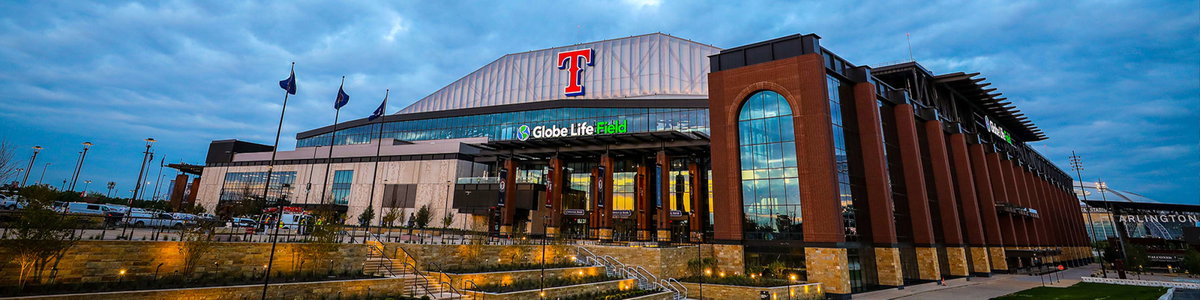
Sometimes when MLB doesn’t listen to fans, it’s ok and things usually calm down. But other times, when they choose to ignore, it raises major questions from fans. The newest statue, which was unveiled by the Texas Rangers at Globe Life Field, is one such incident.
Watch What’s Trending Now!
The Texas Rangers released a vague statement saying, “The club will unveil a new permanent non-baseball addition to the left field concourse.”
The Texas Rangers shared a short note on March 1st, asking the media to come without details. The event took place the next morning at Globe Life Field during spring training when many reporters were away.
Team officials held a quick photo session and did not take any questions after it ended. This kept early coverage low compared to Opening Day games that often bring in over 40000 fans. The quiet setup stood out because most team news usually comes with full details and open media time.

The Texas Rangers installed a deeply controversial statue in their ballpark concourse this spring. And they aren't willing to provide answers as to why it's there. Yikes. Important work from @SamBlum3: nytimes.com/athletic/71975…


The statue is 12 feet tall and first stood at Love Field back in 1961. It shows a Texas Ranger officer, and many reports connect the figure to Jay Banks. Banks led the Rangers in 1956 during events at Mansfield High School under state orders at the time.
The Rangers and the foundation say the statue stands for all Rangers, not one person. They point to a 1896 story where one Ranger stopped an illegal fight in Dallas.
Writer Doug Swanson disagrees and says records over time link the statue to Banks in many sources. The statue stayed in storage for about 5 years after it was removed in 2020. The foundation later spoke to the team, and ownership agreed to place it at the ballpark.
As the season began, the talk grew while games still drew crowds close to 30,000 early on. Some fans stopped to take photos, while others shared their thoughts around the stadium.
Major League Baseball said each team handles its own stadium decisions and did not add more. Team leaders did not give interviews and stayed with their earlier written message about the move.
The statue now sits there during games, as fans take it in while watching the action.
Other controversial incidents the Texas Rangers have faced in their team history
Here are a few other controversies that the Texas Rangers have gotten into over the years and gotten into trouble.
The Texas Rangers had a steady 2009 season and finished with a 95–67 record. In early 2010, Ron Washington admitted he had failed a drug test from July 2009. He told the team himself, and Major League Baseball did not suspend him after review.
The Rangers kept him, and the team reached the 2010 World Series with 90 wins. Fans saw the team stay focused on the field while the issue was handled calmly.
The Rangers signed Alex Rodriguez in 2000 to a 10-year, $252 million deal.
From 2001 to 2003, he hit 156 home runs, but the team missed the playoffs. In 2003, Texas went 71–91 even though it led the league in home runs. The team traded him in 2004 and reduced a large part of the payroll pressure. That move helped reset the roster and opened space for future team-building plans.
During 2011, the Rangers scored about 4.8 runs per game in the season. John Rhadigan handled TV play-by-play and replaced longtime announcer Josh Lewin.
Fans pointed out slow home run calls, including one game against Oakland in July. The team later made changes to the broadcast group after that season ended. On the field, Texas still won the division and stayed strong through that stretch.
In 2010, the Rangers went through bankruptcy while playing a full 162-game season. The team was sold for $593 million to a group led by Nolan Ryan. Mark Cuban was part of the bidding, which brought more attention to the process. Texas finished 90–72 that year and made it to the World Series.
The new ownership brought stability while the team kept winning games on the field.