Alan Kulwicki’s One Last Unfinished Business That Still Haunts the NASCAR World

ADD US ON GOOGLE
Jan 11, 2026 | 1:16 PM EST
Imago
@NASCARHall/X
Imago
@NASCARHall/X
Imago
@NASCARHall/X
Imago
@NASCARHall/X

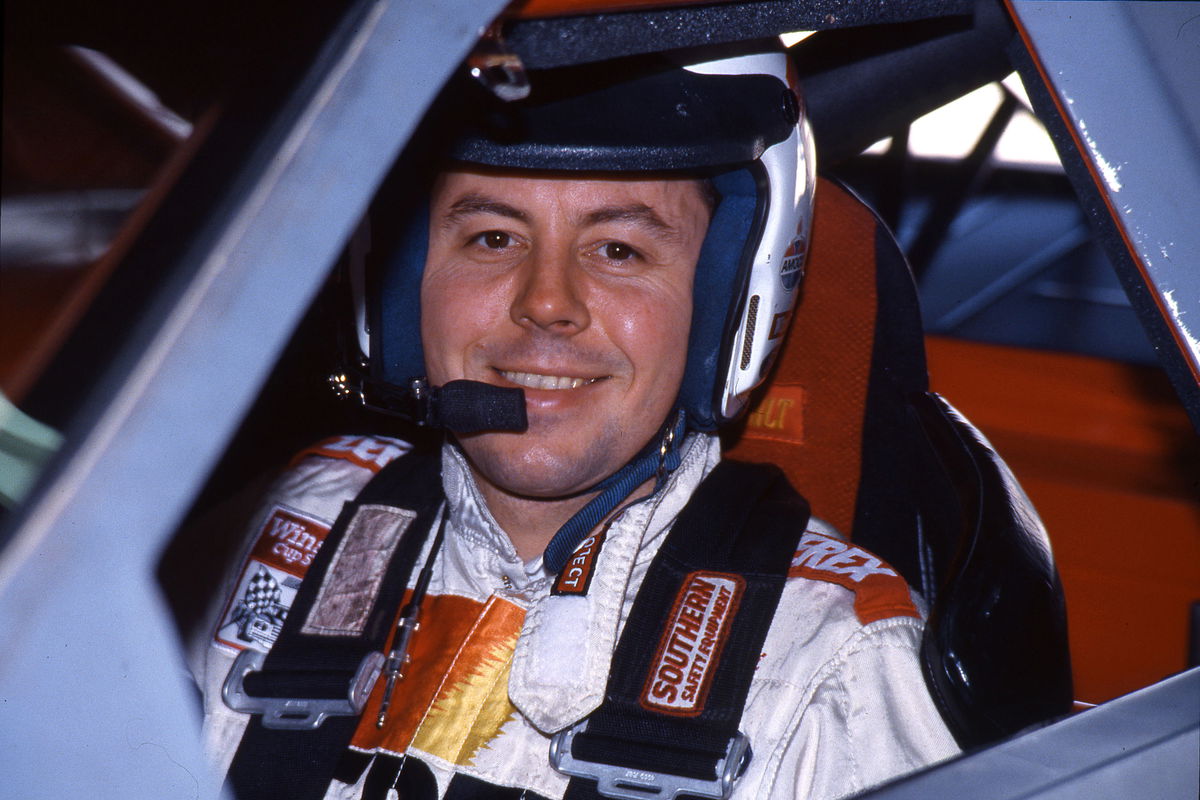
The sudden demise of Alan Kulwicki over two decades ago still lingers around the motorsport world, especially NASCAR. The “Polish Prince”, who had one Cup Series championship under his belt, could have won many more, but he lived too less to make it a reality.
Watch What’s Trending Now!
Given his trajectory, Kulwicki was one of the most feared drivers in the early 1990s. A reckoning force amidst the likes of Dale Earnhardt Sr., Bill Elliott, Mark Martin, Kulwicki could have ended his career as one of the most successful stars. However, a tragic plane accident ended it all, and his incomplete ambitions still haunt the fans.
Alan Kulwicki’s solid success mindset
Fresh from his 1992 Cup Series title win, Alan Kulwicki appeared for an interview, where he spoke about his plans. When asked if he could come back for another title, here’s what the Polish driver said:
“Well, it sort of waits for your appetite to come back. I mean, I enjoy all the things that go on in being a champion. But in the long run, you gotta not get complacent, not get soft and think, you’re gonna come back next year, and things are gonna fall in place, and it’s gonna happen again. I have to come back and work harder to make sure it does happen again.”
Alan Kulwicki discusses his career with Benny Parsons as he cooks dinner. How many more championships did he think he would win after 1992? How long would he stay in NASCAR? pic.twitter.com/V5NKnBZDtr
— nascarman (@nascarman_rr) December 15, 2020


In 1992, Kulwicki claimed the Cup Series title by beating Bill Elliott and Davey Allison. He won with a difference of mere ten points, the closest margin of victory in NASCAR at the time.
His words showed that despite reaching the pinnacle of NASCAR, Kulwicki was far from satisfied. In fact, rather than enjoying the glory, he spoke like a mature driver who was already preparing for his next battle.
He was aware that in order to maintain your success, you can’t work on things at the same pace, as it’s human tendency to slow down at such occasions. But staying on your toes is key, no matter where you are in your journey.
For the fans, it’s naturally upsetting to see an ambitious driver like him not getting the chance to do what he loved once again. Something that he was really looking forward to.
He did return to the Cup Series the next year, and even ran five races, but that was it. A tragic airplane crash on April 1, 1993, killed him while he was returning from a promotional event in Knoxville in a Hooters corporate plane.
After a thorough investigation, the National Transportation Safety Board found that the crash took place due to the pilot’s error. The pilot failed to use the plane’s anti-ice system to clear ice from the plane’s inlet system.
With this, Alan Kulwicki unfortunately became one of many drivers who lost their lives in a plane crash. And that raises a scary pattern.
NASCAR’s tough luck with plane crashes
A very strange thing that NASCAR as a sport faces is the loss of its beloved drivers in plane crashes. Other than Alan Kulwicki, there’s Davey Allison, who died in a helicopter crash at Talladega. IndyCar driver Tony Bettenhausen Jr. died in the 2000 plane crash.
In 2004, a Hendrick Motorsports plane crashed outside Martinsville, that saw a death toll of 10. Mark Martin’s family is another example. And recently, in December, we lost Greg Biffle and his family.
All of these tragedies pose a pattern that is truly disturbing for the sport and its fans to bear.
Former NASCAR driver Ken Schrader touched upon this with a different lens.
“We’re lucky in our industry. When something like that happens, it’s huge. It’s not like a car wreck, which they have every day and kill people every day, but we fly so many hours a year. Our whole industry does that; we’ve had it happen before with Davey and Allen and the Hendrick plane. But it just hits home, man.”
Of course, it hits him hard too, but Schrader sees it the other way around. As he explained, the fact that racers and their teams have such a vast calendar spread across the country, where they are constantly airborne all the time, they’re actually lucky to face more of this. But it’s nothing to be happy about, as every loss is a big loss, and a hard pill to swallow.
Related Newsletters