
NASCAR’s popularity is believed to be dwindling. This isn’t breaking news for fans, who have seen viewership figures, attendance, and growing discourse within the community dominate the sport’s headlines in recent years. Earlier this week, one statistic had veteran journalist Jeff Gluck particularly concerned, so much so that he suggested it was absurd.
Watch What’s Trending Now!
Sports Business Journal reported that an SSRS poll found 64% of NASCAR fans do not have a favorite driver, up from 31% in a similar 2009 poll. Gluck was skeptical, but fans on X were quick to push back, with the veteran journalist noting that most people he interacted with said they supported a driver on race weekends.
“I can buy the non-NASCAR public doesn’t know these guys well, but NASCAR fans have favorites,” Gluck said.
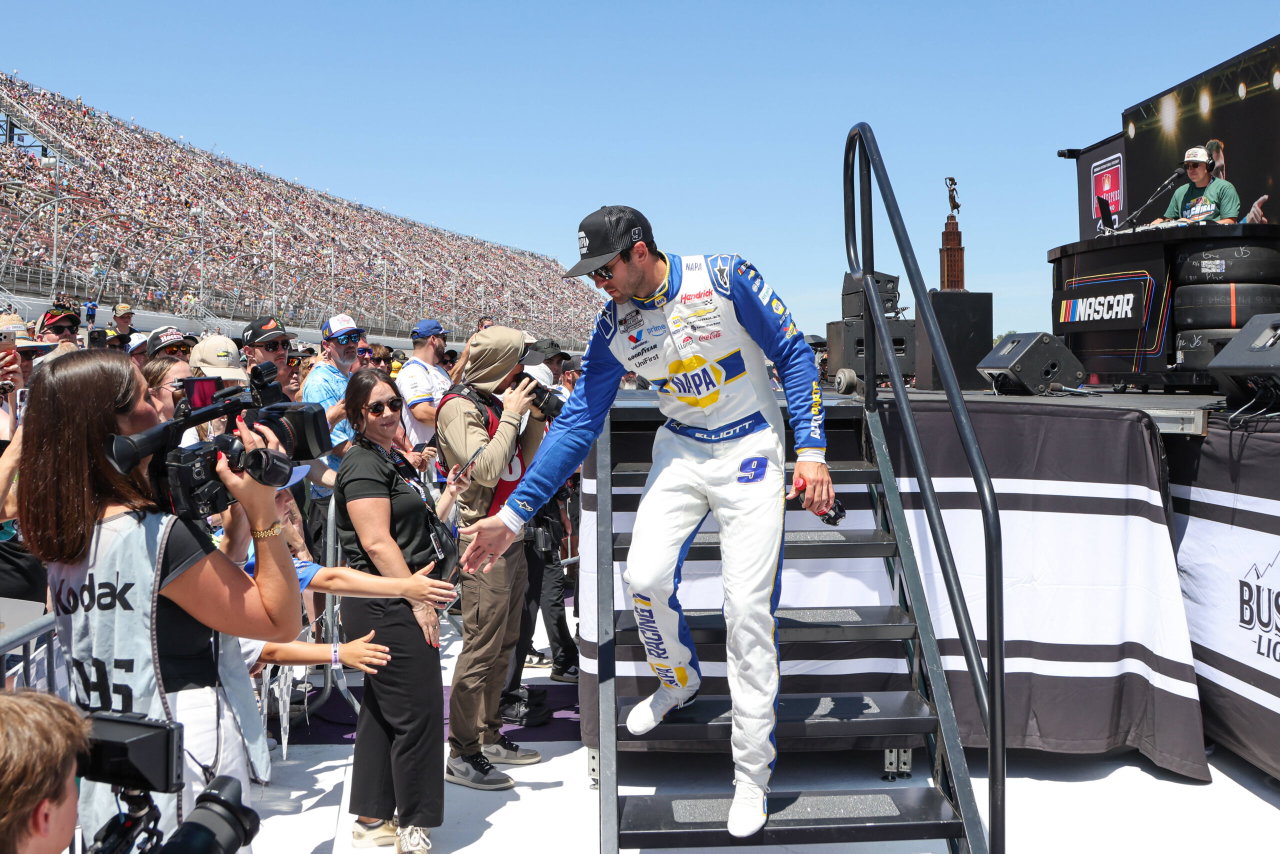
It is surprising at first glance. NASCAR has multiple-time Cup Series champions in its garage, including Joey Logano and Kyle Larson. It also has some of the sport’s most popular drivers, such as Ryan Blaney and Chase Elliott, who has won the Most Popular Driver award eight times. So, do more than half of NASCAR fans really not have enough reason to back any of them?
Logano, for instance, is statistically one of the best, but many fans believe he won his three titles by exploiting the now-defunct playoff system. Then there are traditional villains like Denny Hamlin, who seemed to thrive on being booed wherever he went. And then there is young blood like Carson Hocevar, who has rattled the Cup Series garage before making much of a mark in the trophy cabinet.
Fans under Gluck’s post, however, emphasized one thing: fan loyalty is real. Many longtime NASCAR fans grew up supporting a particular driver, only to watch them retire and struggle to find someone else to support with the same level of passion.
“It’s hard to replace the guy you grew up watching. I think most of us grow into people who are just fans of the sport. On an individual driver level, we become more passionate about who we don’t want to win,” one fan wrote under Gluck’s X post.
That sentiment is understandable when looking at the drivers who defined NASCAR for an entire generation. Some of the sport’s biggest stars from the early to mid-2000s, including Jimmie Johnson, Tony Stewart, and Jeff Gordon, are now retired or semi-retired. Fans from the generation before them also watched legends such as Dale Earnhardt leave the sport.
For those who grew up supporting these drivers, finding a new favorite is not necessarily as simple as picking another name from the current grid.
“I’m a lifelong NASCAR guy, followed it for 40 years. When my driver retired, I never picked another one. I still go to three or four races a year and like some guys better than others, but I don’t buy their brands,” another fan commented.
Some fans also pointed to the lack of distinct personalities among today’s drivers. Decades ago, sponsors were more willing to embrace the unfiltered, rebellious and emotional personalities of stars like Earnhardt, who were often seen as relatable, working-class heroes. Today, drivers are generally more sponsor-friendly and media-trained, which can make them seem less authentic to fans.
There have been calls for that personality to return to NASCAR, including from within the garage. Hocevar has emerged as one example. He is unapologetically himself, which has helped him connect with a newer generation of fans.
Some echoed that sentiment under Gluck’s post, even as Hocevar’s aggressive driving style has drawn criticism from fellow drivers.
“Every driver turned into a corporate robot sometime around 2012. Even if they show emotion now, the press chastises them for it. See Carson Hocevar,” one fan wrote.
“NASCAR drivers aren’t accessible away from the track anymore. If u don’t attend a race, you’ll never know anything about them. It takes more to be a favorite than just on the track. Being active on social media is so easy, and most don’t care,” another added.
Gluck may have been surprised by the 64% statistic, but fans offered a clear explanation. For many, the issue isn’t a lack of interest in NASCAR, but a lack of a driver they feel connected to. And judging by the responses, that reality check may be worth paying attention to.