Imago
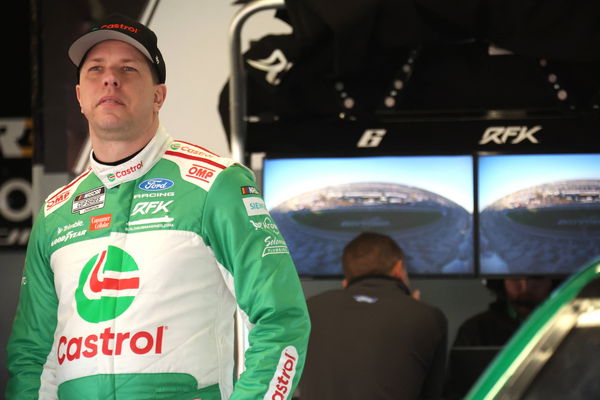
DAYTONA BEACH, FL – FEBRUARY 13: Brad Keselowski 6 RFK Racing Castrol Ford talks with his crew prior to practice for the NASCAR, Motorsport, USA Cup Series Daytona 500 on February 13, 2026 at Daytona International Speedway in Daytona Beach,FL. Photo by Jeff Robinson/Icon Sportswire AUTO: FEB 13 NASCAR Cup Series Daytona 500 EDITORIAL USE ONLY Icon2602132907500
Imago
DAYTONA BEACH, FL – FEBRUARY 13: Brad Keselowski 6 RFK Racing Castrol Ford talks with his crew prior to practice for the NASCAR, Motorsport, USA Cup Series Daytona 500 on February 13, 2026 at Daytona International Speedway in Daytona Beach,FL. Photo by Jeff Robinson/Icon Sportswire AUTO: FEB 13 NASCAR Cup Series Daytona 500 EDITORIAL USE ONLY Icon2602132907500
This is far from the first time Brad Keselowski has pushed back on NASCAR adding what he believes are too many road courses, and it probably won’t be the last. Ever since the Cup Series schedule grew from two to six road courses, Keselowski has made it clear he’s not sold on the direction. The 2012 Cup Series champion has been outspoken about it for years, and now, as a team owner, he’s looking at the issue from a business standpoint too.
Watch What’s Trending Now!
“As a business owner, it’s the hardest races to sell sponsors for. It has the lowest attendance, the lowest ratings,” he said. “That doesn’t make sense to me. We should be going places where the sponsors wouldn’t be there, the fans wouldn’t be there, and TV gets the best ratings. And road courses are historically the worst in all of those categories. So, I don’t feel any obligation to that.”
Keselowski’s comments reflect a broader debate within the sport. Over the past several seasons, the increase in road course events has divided fans and industry insiders. Historically, many of these races have drawn smaller television audiences than marquee oval events, with viewership data showing some road course broadcasts trailing traditional oval races.
For instance, Sonoma’s Cup race averaged about 2.19 million viewers in 2025, a figure lower than many midseason oval races and part of a broader trend of softer ratings for certain road course events.
Fan reception has also been mixed. While some road course races produce exciting finishes, others have ranked among the less popular stops on the calendar, suggesting they are not universally embraced by NASCAR’s core audience.


View this post on Instagram
Attendance trends reveal similar challenges. While NASCAR does not release full attendance figures, comparisons at venues like Indianapolis have shown that even when tens of thousands of tickets are sold, those numbers fall short of the massive crowds once seen at traditional events held at the same tracks.
The Brickyard 400, for example, once packed grandstands with well over 200,000 fans before interest declined, a period that overlapped with the shift to the road course layout.
Road course races generally do not create the same atmosphere or consistent sellout crowds as traditional oval events such as Daytona and Talladega, which continue to rank among the most popular stops for both fans and sponsors.
For sponsors, those differences carry weight. Television ratings and attendance directly affect return on investment. Lower average viewership and smaller live crowds can mean fewer impressions and reduced sponsor value, especially for brands paying premium rates to be associated with NASCAR’s top series.
Keselowski did not shy away from reinforcing his stance.
“Why more people tune into an oval versus a road course. I think a lot of fans identify NASCAR with ovals. And they understand the concept of what we’re doing on ovals and enjoy it more than they do on road courses,” he added.
As Keselowski continues working his way back from injury, his COTA outing only added to his frustration with road course racing.
Brad Keselowski’s nasty struggles at the Austin road course
It was far from an ideal outing at COTA for Brad Keselowski. Starting 26th on the grid, the RFK Racing driver was already facing an uphill battle, and the afternoon never swung in his favor.
Still working his way back into rhythm after recovering from a broken leg, Keselowski found himself buried in the field early at the DuraMAX Grand Prix.
An extended stay on pit road only made matters worse. An early stop cost him valuable track position and dropped him near the back once he rejoined the race. Over the team radio, he voiced his frustration with the car’s balance.
“It’s pretty tight at turn-in on every corner, and then from there it’s like I have too much wheel in it and it really shoots the back out hard on me,” Keselowski said. “I’m just really, really struggling here with no grip.”
The veteran managed to finish Stage 1 in 24th, slipped to 29th in Stage 2, but clawed his way back to finish 20th — a modest recovery on a day that never truly came together.