
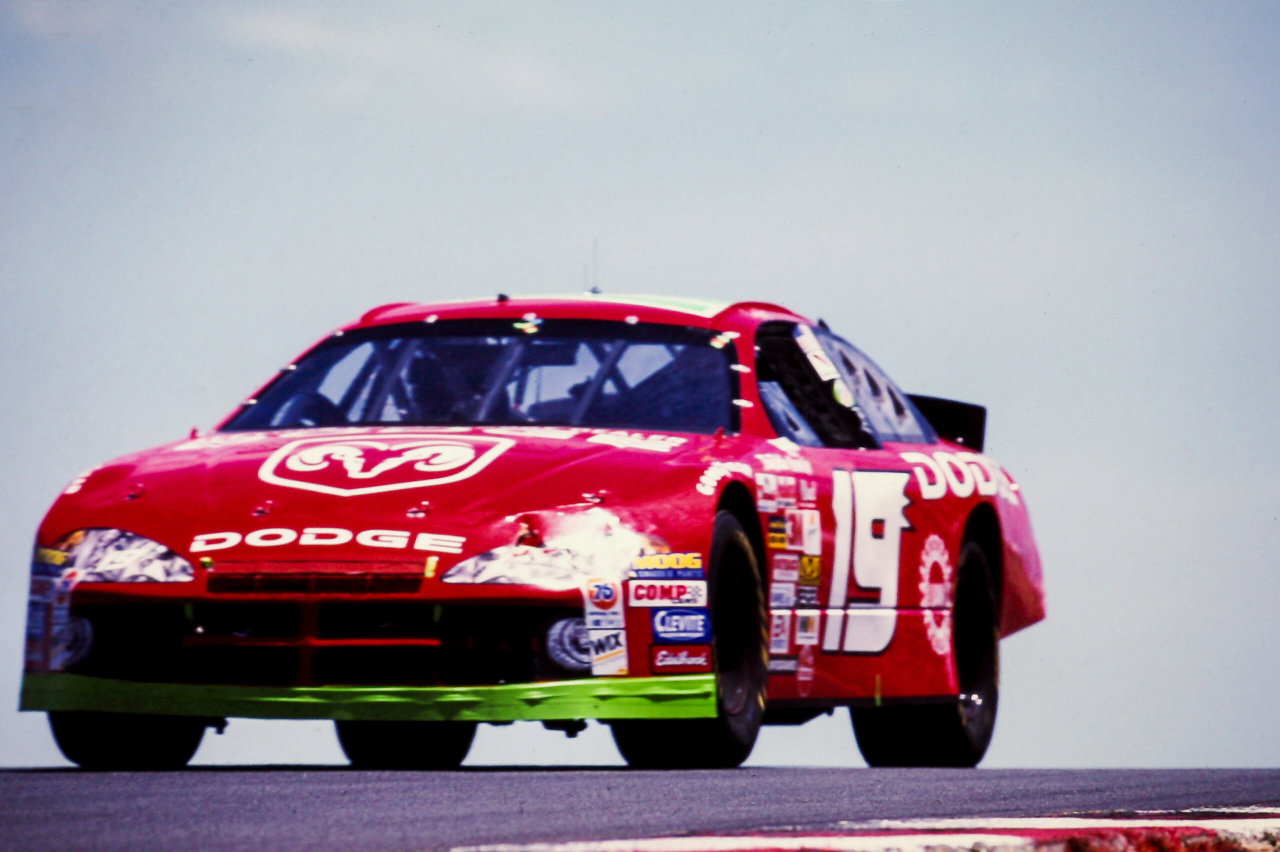
Stellantis is pulling back from some of Europe’s most visible racing programs at the same moment Dodge is preparing to return to NASCAR’s Cup Series. This might sound like a contradiction for the company that owns multiple brands competing in motorsports.
Watch What’s Trending Now!
However, while the official press release from the company has not mentioned Dodge anywhere, Stellantis spokesperson Tony Sapienza’s interaction with RACER.com draws a clear line between its European and North American motorsport operations, as he told the publication, “there are no changes to Stellantis North America Motorsports Programs.”
This distinction matters because the cuts concern the company’s European factory programs, while Dodge SRT Racing and Stellantis North America continue to manage the American racing portfolio. NASCAR and NHRA are therefore not being swept up in the European restructuring.
There is plenty on the American calendar to protect. RAM returned to the NASCAR Craftsman Truck Series in 2026 with Kaulig Racing, which fielded a five-truck effort. Dodge is now preparing its 2027 Cup Series comeback with Kaulig as its anchor team. AJ Allmendinger will drive the No. 16 and Ty Dillon the No. 10, with both cars switching to Dodge Charger branding.
Dodge last competed full-time in Cup in 2012, making the 2027 campaign its first return in 15 years. In NHRA, Dodge has a multi-year partnership with Tony Stewart Racing covering Top Fuel and Funny Car. For 2027, Tony Schumacher is joining TSR alongside Matt Hagan, following a partnership that has produced 25 national-event wins and a 2023 Funny Car championship.
Can Legacy Avoid the Mistakes That Destroyed Other NASCAR Teams?
The European cuts, meanwhile, reach across endurance racing and electric single-seaters. Peugeot’s World Endurance Championship program will end after the 2026 season, bringing its 9X8 Hypercar effort to an abrupt close.
Citroën and Opel will remain in Formula E through Season 13, which ends in summer 2027, before their factory-backed participation winds down. The timing means the brands will still appear on the grid for the championship’s first Gen4 season, but not beyond it.
Peugeot’s exit is especially abrupt because the team had been working on significant upgrades to the 9X8 during 2026. The withdrawal was confirmed on the same day as the deadline for manufacturers to register for the 2027 WEC season.
For a program that returned Peugeot to top-level endurance racing in 2022, it marked a sharp end to a project that had been expected to continue into another regulatory cycle.
Lancia’s rally future needs a little more clarification. Guille Alfonsin’s X thread described the suspension of official rally investment, including the Ypsilon Rally2 effort. However, the wider customer-racing operation is not being abandoned.
Autosport reports that Lancia’s customer-focused rally project is among the activities surviving the cull. In practical terms, support for cars already in customers’ hands is set to continue, although the precise extent of factory backing and future development remains less clear.
Stellantis says the move follows its FaSTLAne 2030 plan, which shifts resources toward new products, better quality and broader market coverage. The company plans 50 product introductions and updates in Europe over five years, including 25 new products.
Its wider portfolio strategy also places greater weight on four global brands: Jeep, Ram, Peugeot and Fiat. Stellantis says these brands have the greatest scale and profit potential, and that 70% of planned brand and product investment will go to them and its Pro One commercial-vehicle business.
That leaves Dodge, Citroën, Opel, Chrysler and Alfa Romeo classified as regional brands, expected to concentrate on their core markets while using shared platforms and technology. The aim is to avoid duplicated spending and improve profitability, not to close those marques.
Dodge’s regional status does not conflict with its NASCAR and NHRA programs continuing; the North American motorsport operation has been explicitly ring-fenced from the European decision.
The company also says it will retain and redeploy employees affected by the factory-championship exits, moving their expertise toward customer racing, high-performance road cars and other areas tied to FaSTLAne 2030.
Peugeot’s WEC withdrawal and the Formula E departures are significant losses, but Stellantis is not walking away from every form of competition. It is narrowing its factory commitments in Europe while keeping customer racing and its American programs in play.