
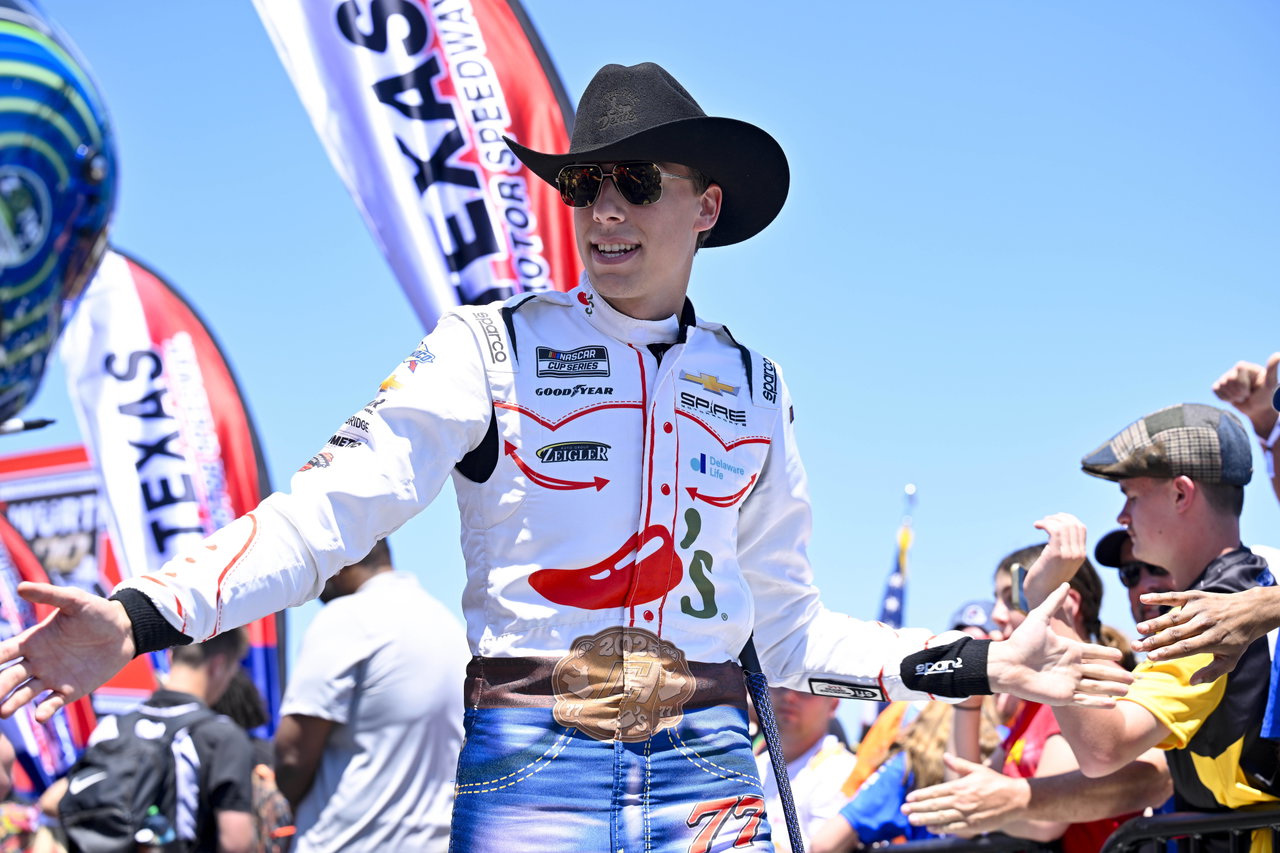
Grassroots racing is an integral part of a driver’s journey of coming into NASCAR. The feel of the car, dealing with high-pressure situations, and dealing with different tracks are all learnings that come from proper grassroots racing. However, in recent times, tracks that were seen as havens for driver development have either faced closures or struggles to keep them open. Many drivers have expressed their views on how this could impact the future of racing, including Carson Hocevar, who gave a scathing take on things.
Watch What’s Trending Now!
The Harsh Economics Behind Grassroots Racing Survival
The 23-year-old came through the ranks, racing in the midgets and working his way up from there. He had a great development, and there was also help from veteran drivers, but if not for the tracks that were around, his rise to the top would have been tough.
” I just think it’s huge. I enjoy going down there and running it,” admitted Hocevar. “I think Flow Racing’s done a really, really good job at least making it easy access to watch and hopefully can grow it.”
Despite its importance, monetary issues seem to be a roadblock in its development. However, Hocevar does not foresee that problem vanishing due to the nature of the business.
“The tracks don’t really see that, you know, money-wise, it’s getting people in the seats, and, you know, I think that’s just, you know, it’s just a product of it. It’s a tough business,” said Hocevar. “Ultimately, it’s obviously, you know, it’s all, it’s always the fans want cheaper tickets, and the race drivers want to get paid more. So it’s, it’s always bad to get a promoter, no matter if you’re doing a great job, which makes it tough for those super small tracks.”

"It's always the fans want cheaper tickets and the drivers want to get paid more." @CarsonHocevar talks about the monetary issues of grassroots racetracks.
The harsh reality of grassroots racing is that affordability has become a big problem. A midget is expensive, and so are the costs to maintain tracks. The number of tracks that are in dispute with the local county has increased as the costs to keep them functioning have become difficult to bear. Nashville Fairgrounds’ redevelopment is a prime example of that. However, drivers like Hocevar would not have been able to make their way to NASCAR without them, which is why legends of the sport, including Dale Earnhardt Jr., are putting up a fight to rescue them.
Historic Short Tracks Under Pressure from Development and Economics
Across America, tracks are now facing the heat, with grassroots tracks right at the nucleus due to intensifying financial pressure and conflict with land development authorities. Take, for example, Nashville Fairgrounds, which is under ongoing litigation, fighting for survival against the wishes of residents and the local government alike, or even Greenville-Pickens Speedway, one of NASCAR’s oldest venues that is now dormant, presenting the other side of the debate as a track being forced into historical redevelopment, which in turn is being resisted by locals.
The unfortunate examples refuse to end there. Elsewhere, Irwindale Speedway has repeatedly faced closure due to financial instability and land value pressures, while Orange Show Speedway has battled declining attendance and operational costs. Five Flags Speedway, though still active, depends heavily on marquee events to stay viable.
The pattern, thus, is consistent throughout, with rising property values and shrinking crowds to watch, the race promoter margins have declined. Even if digital visibility increases, these tracks rely on physical presence, and without the local community, they might lose it all, and with that, the spirit of American racing.