
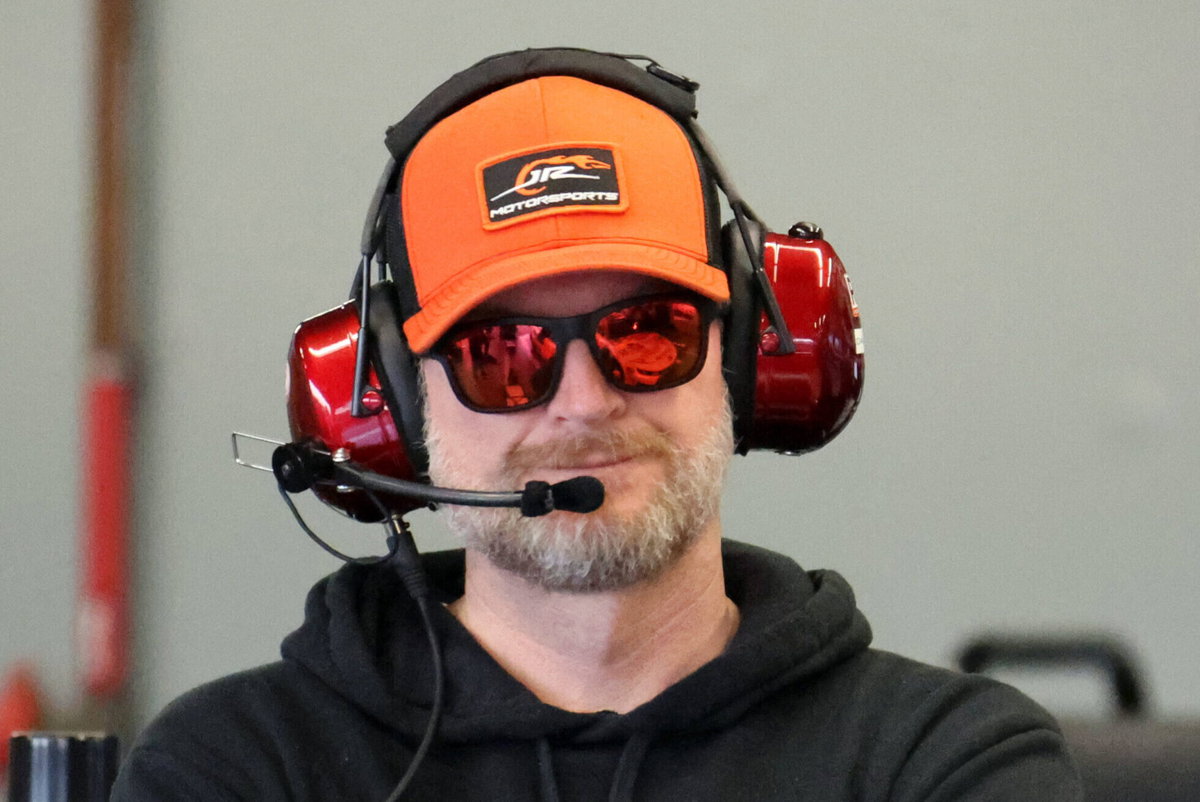
The road to NASCAR stardom was almost set in stone for decades: late model stock cars, short-track racing, and eventually the lower divisions, the O’Reilly and Truck Series. That was Dale Earnhardt Jr.’s roadmap before reaching the promised land as well. But now, the 26-time Cup Series race winner is noticing a new trend among rising stars, and he believes the sport is going through a foundational shift.
Watch What’s Trending Now!
How road-course racing is reshaping NASCAR
Road course racing was not given much importance in NASCAR for decades, with Sonoma and Watkins Glen remaining the sport’s only regular road-course venues for years. But in the 2020s, NASCAR began expanding its schedule by adding tracks such as Circuit of the Americas and the Charlotte Roval, with the total number of road and street-course races rising to six in 2025.
Trackhouse Racing quickly recognized the value of road-course specialists during that shift by bringing Shane van Gisbergen into its lineup, and the move soon paid off. The team won five races in 2025, while SVG finished 12th in the drivers’ standings. Teams like Kaulig Racing also leaned heavily on road-course specialists such as AJ Allmendinger to maximize their results at those venues.
Earnhardt Jr. has now noticed a similar shift in approach in the O’Reilly and Truck Series as well. He believes it is time for the sport to start recognizing those changes from the bottom up.
“Brent Crews is out there kicking a– in the O’Reilly series race. You’ve got SVG, you’ve got all these guys out there, all this competition, all these great race cars. Crews is out there putting a six-second f– lead on them at the end of stage 1. It’s because of the time they are spending in Trans Am,” Jr. said while talking about the same on Dale Jr. Download.

Brent Crews. Connor Zilisch. Tristan McKee. Drivers who are investing time into @GoTransAm are seeing a BIG payoff in NASCAR.
The Trans Am Series focuses heavily on road-course racing, which teaches drivers a lot more than just the raw pace and handling needed on ovals. It helps them develop braking techniques, corner entry and exit, tire management, and the ability to adapt to changing weather conditions and different track layouts.
Dale Earnhardt Jr., as a result, would adopt a new training regimen for his disciples in the coming years. “If I had a young kid that I thought was worth the focus, worth tutoring. I’d have him racing in the Trans Am. I would have him racing in the CARS Tour, and I would sprinkle in some ARCA races,” he insisted.
The CARS Tour and ARCA still focus more on traditional racing values, which remain important since most NASCAR tracks are still oval-based. However, a shift is slowly coming as more road-course events continue to be linked with future NASCAR schedule rumors. Per Dale Jr., drivers who do not pay attention to road-course racing will struggle.
His warning should not be taken lightly, as road-course specialists like van Gisbergen have already proven time and again that they can adapt to oval racing and NASCAR competition even without prior experience in the discipline.
How do non-traditional racers stack up against oval experts?
Last year, SVG’s best finish in an oval race was only P10 at Kansas. In 2026, just 12 races into the season, he already has a P6 finish and two P11s on oval tracks. If not for Trackhouse Racing’s struggles with pace, he might have had even better results. SVG is also currently ranked higher than his teammate Ross Chastain in the driver standings.
For reference, Chastain is the same driver who took Trackhouse Racing to new heights in just its second season in the 2022 NASCAR Cup Series. A driver who won two races and recorded 15 top-five finishes on his way to finishing runner-up in the championship is certainly no slouch.
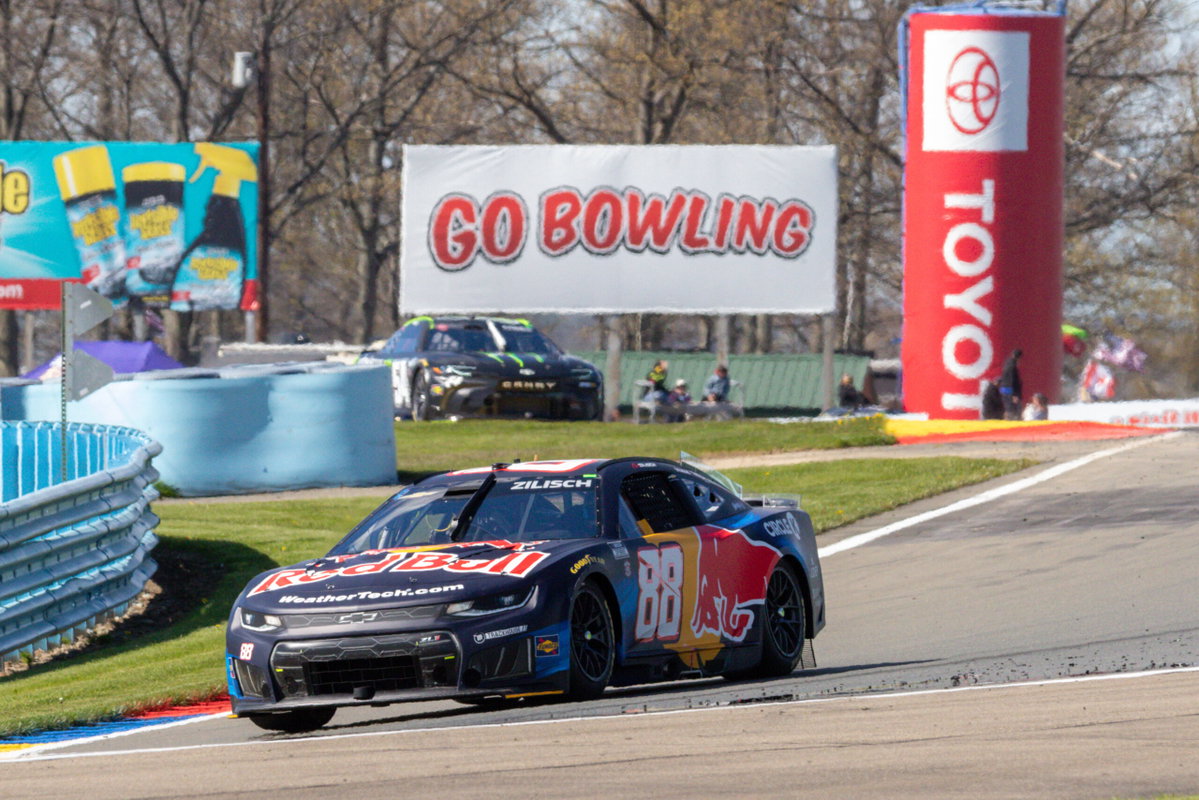
Another great example of the newer generation of drivers giving a hard time to traditional oval racers is Connor Zilisch. At Watkins Glen last Sunday, he had damage to his car in the final 10 laps and lost time to Jesse Love. Yet he was able to manage it all and overcome Love’s impressive defense in the final lap to claim the victory.
Imago
WATKINS GLEN, NY – MAY 10: Connor Zilisch, 88 Trackhouse Racing Red Bull Chevrolet, heads onto the carousel during the NASCAR, Motorsport, USA Cup Series Go Bowling at the Glen on May 10, 2026, at Watkins Glen International in Watkins Glen, NY. Photo by David Hahn/Icon Sportswire AUTO: MAY 10 NASCAR Cup Series Go Bowling at the Glen EDITORIAL USE ONLY Icon260510026
The new NASCAR format is heavily dependent on victories as per their points format. If a driver finds themselves in a situation where they can gain a significant advantage over other drivers in road course racing, adding extra wins to their season will only help their title chase better.
The Chase format is no longer about focusing on a minimum number of tracks and abusing that advantage to win. It is about being consistent all year and becoming the driver who knows each track better than the others. With the latest push towards road course racing, an ideal driver would be the one who has grassroots experience in Trans-Am, ARCA, and other series before they reach the NASCAR level.