
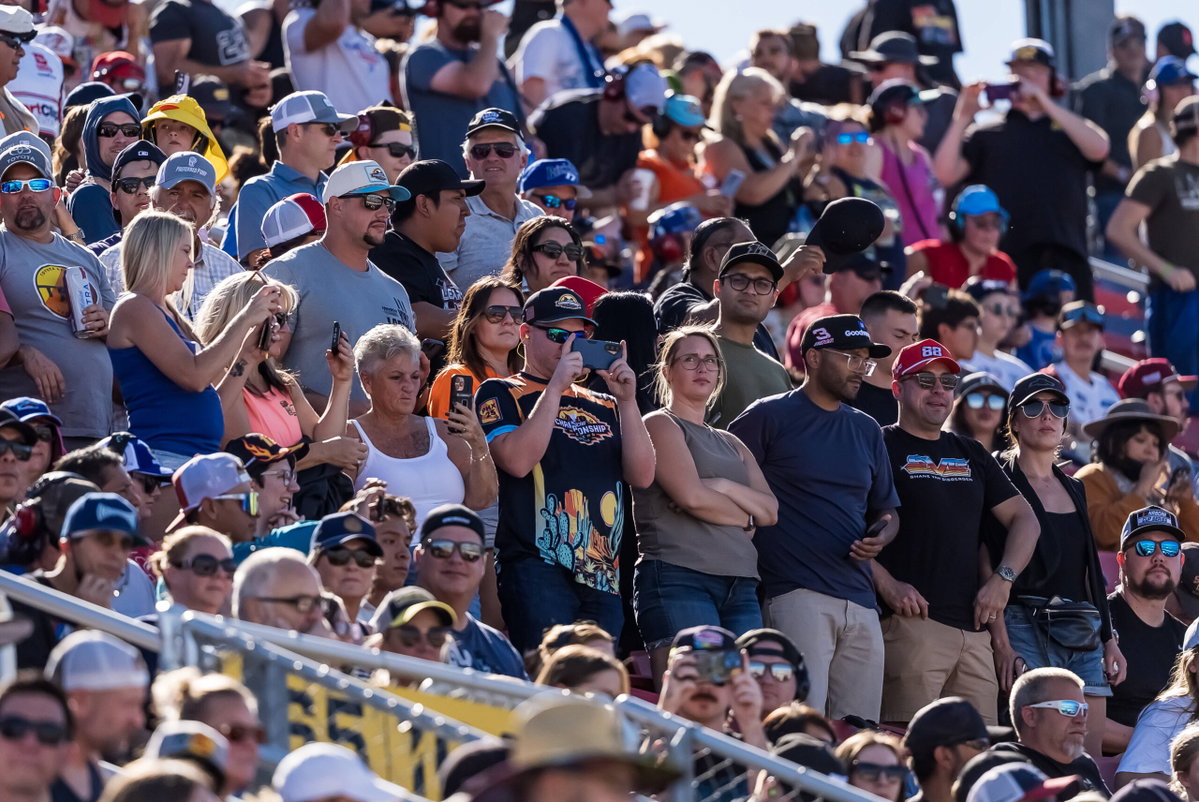
For a time, NASCAR’s Next Gen brake rotor crisis seemed to be over. For the 2025 and 2026 seasons, the horrific failures that plagued the car’s early years mostly vanished from the press, allowing fans and teams to move on. But then there was Nashville, as many rotor explosions brought the problem back into focus. Adding fuel to the fire were widely circulated reports that transformed an old competition problem into a potential public safety concern, suggesting that pieces of the damaged brake rotor may have made it to the spectators in the stands.
Watch What’s Trending Now!
NASCAR’s brake rotor nightmare at Nashville
At Nashville Superspeedway, the warning signs first surfaced early. Connor Zilisch’s race came to an abrupt end as his No. 88 Chevrolet crashed into the Turn 1 wall due to a right-front brake rotor explosion. As the car came to a stop, flames flew out of the wheel.
Zilisch later claimed that he had lost the brake pedal entirely. A surprisingly identical failure occurred just nine laps later when Ross Chastain, his colleague at Trackhouse, slammed into the wall and triggered another yellow. Regretfully, those were not isolated cases.
A.J. Allmendinger, who seemed to have one of the fastest cars in the race and had won Stage 1, also experienced a right-front rotor explosion that sent him crashing into the outside wall. Later in the race, Chris Buescher experienced a similar problem. His chances of a great finish were dashed when he slammed into the wall due to a brake rotor failure.
Naturally, a flaw that plagued NASCAR’s Next Gen vehicle in its early years was brought to light by the spate of breakdowns, compounded by how the Nashville Superspeedway is especially harsh on braking systems. Drivers generate a lot of heat in the brake package because they drive at high speeds for extended periods of time before abruptly slowing down for corners.
This, together with the Next Gen vehicles’ increased horsepower, greater weight, and less aerodynamic downforce, creates an ideal environment for overheating. Once temperatures climb too high, rotor shake can develop before the metal ultimately fractures and explodes.
However, what concerned fans was what happened next after these incidents. Social media started sharing pictures of spectators clutching what looked to be pieces of broken brake rotor debris after one of the rotor failures. A picture of a girl (face blurred) clutching a small yet sharp chunk of metal went viral on Reddit, and the caption was alarming:
“She’s okay. A guy and couple girls were bleeding, hope they’re alright as well.”
The picture instantly rekindled worries about spectator safety and containment measures surrounding the racetrack among the NASCAR community.
Fans fear the return of Next-Gen safety problems
Social media users were instantly alarmed by the Nashville photo, with many fans concentrating more on what may have happened in the grandstands than on the race itself. One fan pointed out just how dangerous the debris can be, even before it leaves the racing surface:
“Part of the brake rotor broke the 60’s radiator, that s— is serious.”
That was not an exaggerated observation. Ryan Preece became an indirect victim of the brake rotor turbulence when the debris from a shattered rotor damaged the radiator of his No. 60 Ford. The damage forced him into the garage after just ninety laps. If a metal fragment can destroy a racecar component designed to withstand extreme conditions, it highlights the forces involved when these parts explode at racing speeds.
Others were just pleased that the fan in the image seemed to be uninjured.
“I am so glad she is doing ok after that scary moment.”
But the viral post also claimed that once debris reached the spectator area, a man and a couple of women were injured and bleeding. Fans indirectly pointed out how much worse things may have turned out if the metal had hit someone in the neck, eye, or another weak spot, further prompting some spectators to rethink where they sit at Nashville.
“Note to self, dont sit past the s/f line at Nashville due to brake rotor grenades. Glad shes okay.”
The remark highlights a growing worry that rotor failures frequently happen near the end of Nashville’s lengthy straightaways, where drivers brake as hard as they can before making turns, and debris can be ejected with enormous energy when rotors burst in these specific areas.
Perhaps the most alarming reaction came from a fan who referenced television replays of Chris Buescher’s failure.
“This whole exploding brake rotors needs to be figured out before someone gets seriously hurt. When they showed a replay of Buescher’s rotor exploding from the rear facing camera on the car in front of him, a chunk flew forward at a high rate of speed, a good bit faster than the cars were traveling. A chunk larger than that hitting someone in the head at 200+mph would be a bad time.”
That concern goes right to the heart of the issue. Nashville served as a reminder that despite NASCAR’s years of attempts to enhance catchfences, barricades, and fan safety, technical breakdowns may still result in unanticipated hazards. Fans are grateful that, for the time being, the reported injuries appear to have been minor. However, after seeing debris apparently reach the stands, many are optimistic that the sport will find a solution to the brake rotor problem before luck runs out.