Imago
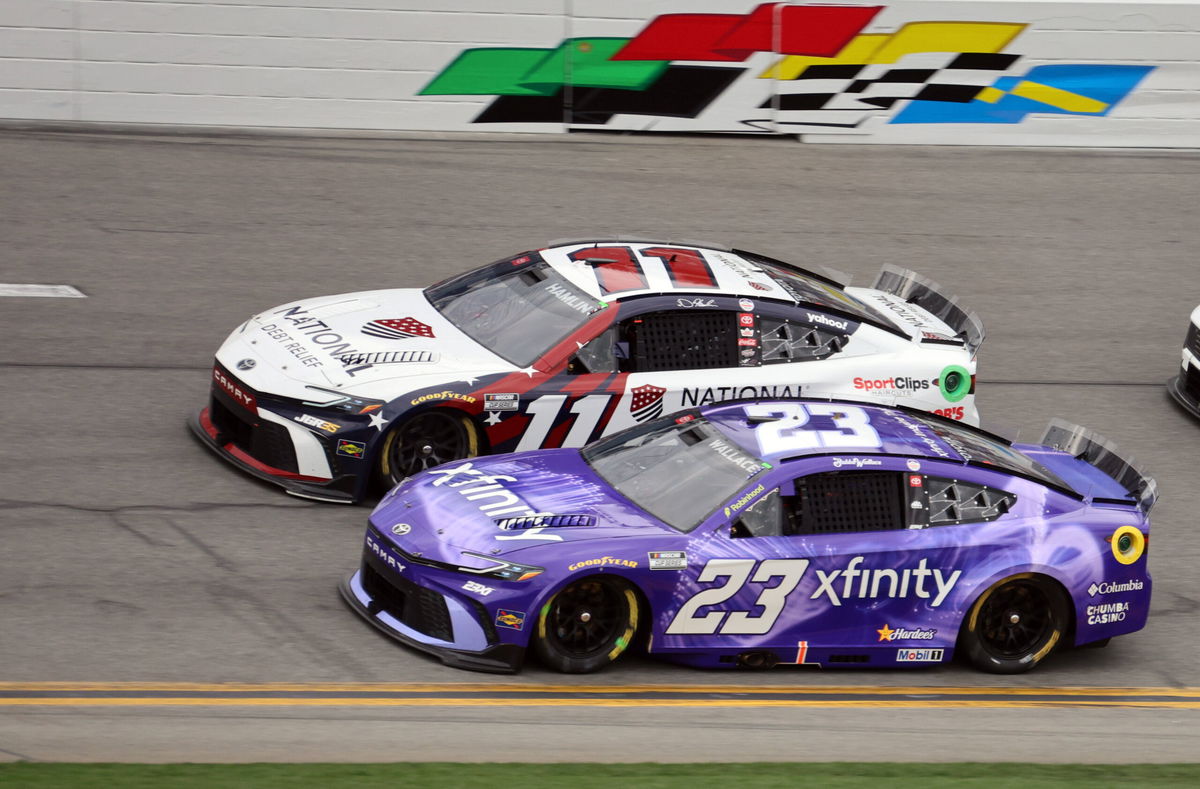
DAYTONA BEACH, FL – FEBRUARY 15: Bubba Wallace 23 23XI Racing Xfinity Toyota runs side by side with Denny Hamlin 11 Joe Gibbs Racing National Debt Relief Toyotaduring the NASCAR, Motorsport, USA Cup Series Daytona 500 on February 15, 2026 at Daytona International Speedway in Daytona Beach, FL.Photo by Michael Bush/Icon Sportswire AUTO: FEB 15 NASCAR Cup Series Daytona 500 EDITORIAL USE ONLY Icon260215018500
Imago
DAYTONA BEACH, FL – FEBRUARY 15: Bubba Wallace 23 23XI Racing Xfinity Toyota runs side by side with Denny Hamlin 11 Joe Gibbs Racing National Debt Relief Toyotaduring the NASCAR, Motorsport, USA Cup Series Daytona 500 on February 15, 2026 at Daytona International Speedway in Daytona Beach, FL.Photo by Michael Bush/Icon Sportswire AUTO: FEB 15 NASCAR Cup Series Daytona 500 EDITORIAL USE ONLY Icon260215018500
Toyota’s night at the 2026 Daytona 500 looked like a statement performance, with Tyler Reddick pulling off a surprise win and Bubba Wallace controlling the front of the pack for long stretches. But the fuel-saving pace that helped set it up didn’t sit well across the Ford garage. As the leaders slowed the field in the closing stage, frustration started building, especially from one Cup champion who questioned how the race was being dictated. The backlash that followed turned it all into a wider debate once the checkered flag fell.
Watch What’s Trending Now!
Penske driver points out a major issue with fuel saving
“Just kind of got trapped with the Toyotas running 52-second laps. And were blocking the whole thing,” said 2023 Cup Series Champion Ryan Blaney after the race. “It’s going to happen eventually. I mean, they’ve talked about it. Toyota has got 3 cars and just blocked the whole field. And it’s unfortunate. We’ve got to fix that. It’s pretty bad.”
Blaney later detailed how repairs after the Stage 2 caution forced him to restart deep in the field before the Toyota block formed up front. “Spent some time fixing our car after the stage two caution. Then we started at the back and just kind of got trapped,” he said. “Never really jumped anything on the pit stop, didn’t really go anywhere on the restart, and then got caught up in the wreck into turn one.”
He was not too impressed with the Toyotas leading the pack at Daytona after the second stage. In an attempt to save fuel, the leaders slowed the entire pack down, which did not sit well with the likes of Blaney, who could have been battling in the top-5.
Ryan Blaney was not pleased that Toyota had all three lanes locked up and were running ultra-slow 52 second laps in the final stage. Says, “We need to fix that. It’s pretty bad,” in regard to the fuel saving racing in the #Daytona500 pic.twitter.com/LfTJ17eZ5D
— Toby Christie (@Toby_Christie) February 15, 2026
Fuel saving has become a major factor in modern NASCAR, especially at superspeedways like Daytona, where drivers routinely lift off the throttle early, coast into corners, and stretch fuel windows in hopes of catching a timely caution and preserving track position.
Drafting is the key to winning a race at superspeedways like Daytona. Hence, the leaders have the power to dictate the pace for the rest of the field. Same-OEM drivers also like to help each other out at the grand stage, and hence, the Ford drivers were left lagging behind.
But is that an issue? While some might label it as race manipulation, fuel-saving is a part of superspeedway racing at events like the Daytona 500. Toyota, the $334 worth billion giant, certainly had the upper hand during the race, so they did it, but other OEMs do it as well. Although there have been certain efforts from NASCAR to minimize it through new aerodynamic packages, it is still a common occurrence.
But the fans feel Ford got a taste of their own medicine. They accused Ford of manipulating the race at Michigan in 2023. So, it happens regularly, but the OEM that gains the most from an event like this keeps changing.
Fans accuse Blaney of hypocrisy after Daytona 500 allegation
“‘They used our own strategy against us and we hated it.’” When it comes to remembering old races, the fans seem to do it the best. Many pointed out that Ford has been doing it for quite a long time, and now that they weren’t able to replicate it, Blaney was out showing distaste for Toyota controlling the race.
“What about when Ford plays games?”
“I know i’m not crazy his radio had given them orders to slow it down too lmao,” claimed another fan. Similar radio calls have surfaced in past superspeedway races where leading drivers were instructed to back the pace down to allow teammates to line up behind them in the draft.
Whenever a driver leads the Daytona 500, there is almost an immediate sense of losing the position to the drivers with a stronger draft behind them. Clear team communications sometimes reveal the crew chief asking the drivers to go a little slower to be pushed by their teammates or the same OEM cars.

Imago
12 car ryan blaney
This might’ve also been the case with Ford if they had managed to put themselves in the lead, as they have been accused of doing in the past. “Pot calling the kettle black; Ford has done it for the last few years. I hate it now, hate it then.”
Another fan hinted that Blaney also slows the field down when he has the support from his other Penske drivers, “Him and baldy literally do this.”
Not everyone aimed criticism at Blaney alone, with several drivers around the garage voicing frustration about half-throttle racing dominating large portions of the final stage, calling it “hard to watch” and questioning whether NASCAR should step in.
Whether Ford considered it fair or not, in the end, it was Tyler Reddick who clinched the race win. He did not appear to be in the lead throughout the day, but was in the right place at the right time when Brad Keselowski and Riley Herbst’s collision took Chase Elliott out of the race lead.
Written by

Edited by

Suyashdeep Sason