
Brad Keselowski gave Dodge its last Cup Series title in 2012. Fourteen years later, a Charger is headed back to the Daytona 500 grid on Feb. 21, and the sport’s insiders are already asking whether the hardest part is still ahead.
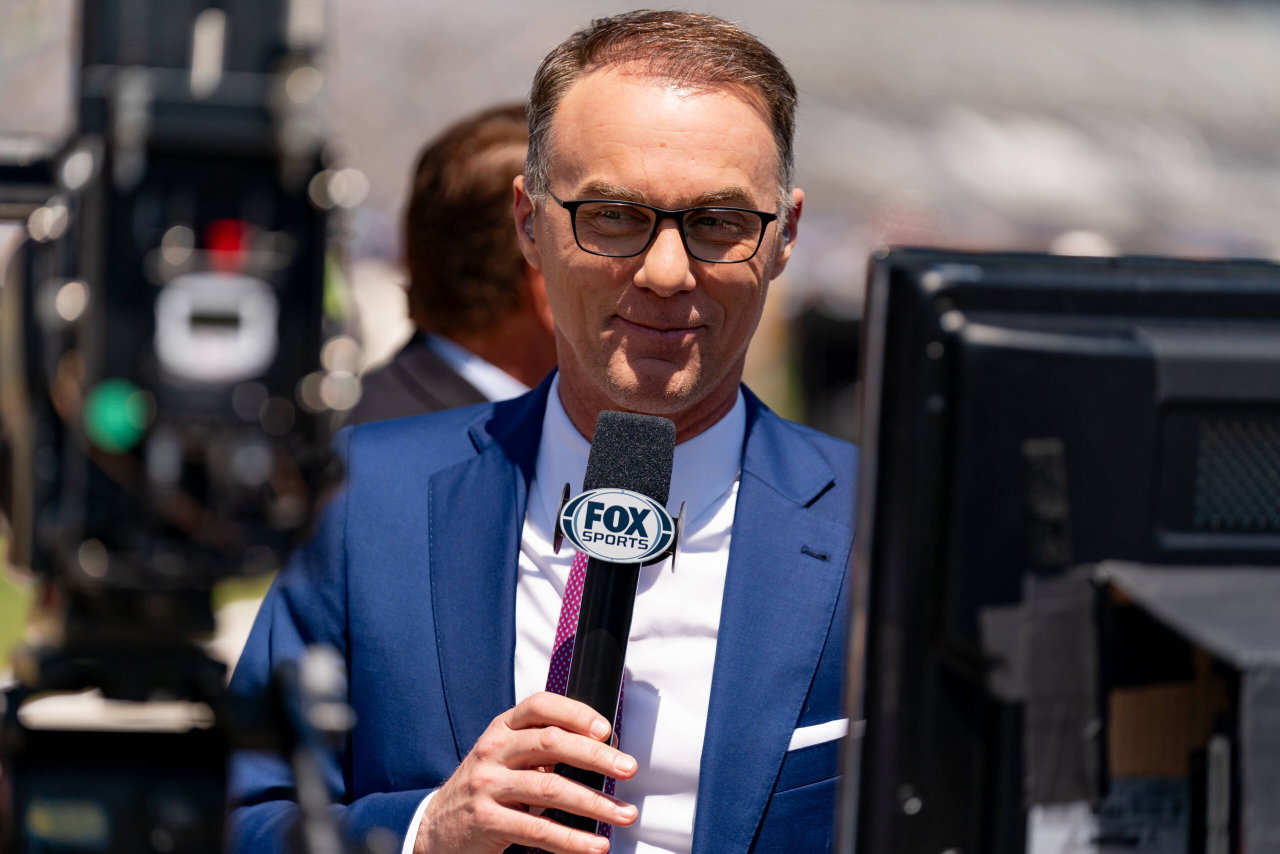
“It’s going to need a lot of money, and they’re going to need it to be able to get their teams off the ground to do what they want to do,” Kevin Harvick said on Speed with Harvick and Buxton.
The former Cup champion made the comments alongside Will Buxton, who indicated that Dodge’s NASCAR return in 2027 remains safe despite Stellantis’ sweeping European motorsport restructuring.
Two figures keep getting blended in this story. Stellantis’ Value Creation Program targets €6 billion in run-rate cost savings by 2028, a company-wide goal. Separately, the European motorsport division reportedly costs about €300 million a year to run.
The cuts themselves are concrete. Peugeot’s World Endurance Championship Hypercar program ends after 2026, while Citroën and Opel will leave factory Formula E after Season 13 in summer 2027. Stellantis says it will redirect resources toward customer racing and high-performance vehicle development.
Was Jeff Gordon the Biggest Victim of NASCAR’s Format Changes?
Kevin Harvick’s suggestion that the two moves are connected is his read of the situation, not a company statement. What is clear is that the European factory programs and Dodge’s North American plans are on different paths.
“It seems as though this was the way that this was all going to go, and I think a lot of that has to do with the NASCAR program and selling pickup trucks and the things that they’re doing to get back into Cup racing,” Harvick said.
Stellantis’ first step back came in 2026, when Ram returned to the Craftsman Truck Series with Kaulig Racing. Dodge’s Cup comeback arrived a year earlier than first discussed. Tim Kuniskis, head of Stellantis North America, made it official at the SEMA Show on Nov. 2, naming Kaulig as the anchor team.
Dodge SRT Racing will lead the effort and oversee North American motorsports, including NASCAR and NHRA. Kaulig, which holds two Cup charters, can switch manufacturers now that its Chevrolet partnership has ended. NASCAR reportedly will keep the charter count at 36.
The brand brings real heritage. Dodge’s first Cup win came in 1953, and Dodge and Plymouth power helped fuel Richard Petty’s seven titles. But the manufacturer did not return in 2013 after Team Penske moved on without an anchor team it wanted. This time, the partner is already in place.
NASCAR CEO Steve O’Donnell called the return a significant milestone for the sport. Kaulig will reveal its 2027 driver lineup at Homestead-Miami Speedway during championship weekend.
The accelerated schedule leaves little room for error. NASCAR extended its decision deadline to make the move possible, and an engine partnership with ECR helped Dodge fast-track its program.
Dodge’s challenge is not unique. Trackhouse Racing entered the Cup Series in 2021 through an operational alliance with Richard Childress Racing, tapping RCR’s technology, engineering, and personnel. It then acquired Chip Ganassi Racing’s NASCAR operation and two charters later that year.
Trackhouse’s early arrangement showed how a new organization could use an established team’s resources. Dodge has a similar path in Kaulig, but expectations will be different. The Truck Series let the Stellantis family establish a presence; Cup brings greater exposure and pressure.
“I think they got their feet wet in the Truck Series this year. Didn’t really have any results, but I would say that those expectations are going to change as they go forward that they’re going to need results on the racetrack, and you’re not going to be able to hide in the Cup Series anymore,” Harvick added.
That scrutiny arrives quickly. Dodge’s last Cup season ended with a title, and fans will measure the Charger against that standard whether fair or not. Competing consistently requires infrastructure, engineers and sustained investment.
“When you get into that Cup spotlight, you’re going to be criticized in a way that you haven’t been criticized before,” Harvick continued.
Getting onto the grid at Daytona is the easy headline. Building an operation that can contend week after week is the real test, and as Harvick’s comment makes clear, it will not come cheap.