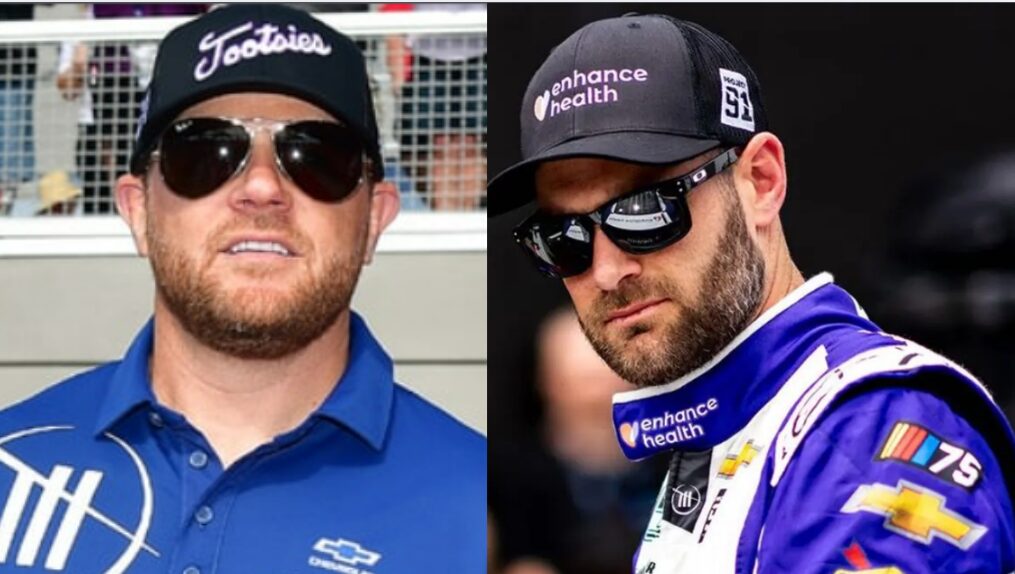
Shane van Gisbergen may have unknowingly spilled the beans. Trackhouse Racing’s co-owner Justin Marks has been openly optimistic about reviving Project 91 next year, even going so far as to say, “I would bet on it coming back in ’26, and we’re pretty close to getting that deal done. There’s some good opportunities.” With major backing from Red Bull, the return of the ambitious program seemed all but certain, but now, the Kiwi may have quietly pulled back the curtain on the real challenges facing Project 91 behind the scenes.
Watch What’s Trending Now!
Speaking to the hosts of the Dinner with Racers podcast, the New Zealander didn’t hold back.
“Like Justin would give him (Will Power) a go in Project 91 any day of the week. But I guess they can’t, you know?” he said. That was all that was needed to be said to convince fans to dig deeper.
Project 91 isn’t just a casual joyride. Even legends like IndyCar driver Will Power would need the right timing, manufacturer support, and team bandwidth to make it happen.
Launched by Trackhouse Racing’s co-owner Justin Marks, it was a creative and ambitious way to bring world-class global racers into the NASCAR Cup Series, fielding a part-time No. 91 Chevrolet for stars outside the traditional stock-car racing world instead of a full-season entry.


It debuted with Kimi Raikkonen, the 2007 Formula One world champion, at Watkins Glen, and later saw SVG win the inaugural NASCAR Chicago Street race on his very first cup start, a stunning result that captured headlines and proved the concept could work.
But that headline-grabbing success did not mean running Project 91 was easy. Behind the scenes, the program depends on scheduling, sponsorship, and team resources, which are stretched thin when Trackhouse is already focused on its three full-time Cup cars for regular season competition.
More importantly, with Red Bull as the major sponsor, the tide could tip towards Red Bull-affiliated race car drivers, who could be on the priority list as and when the project fields their Cup car.
Imago
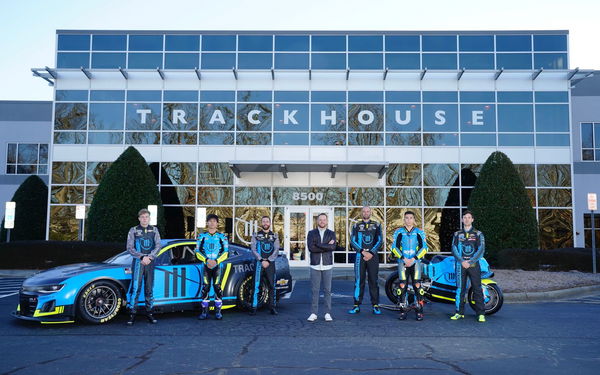
Trackhouse Racing
Executive decisions about which races, road courses, or marquee events to target, and whether big international drivers can fit around their existing commitments, often outweigh pure excitement or fan demand.
That’s part of why even elite names can’t just slot in on a whim. The car must fit the business strategy, the sponsor needs to be aligned, and the driver has to bring both commitment and logistics together, which isn’t trivial when you are talking about people who race F1, IndyCar, or supercars full-time.
Yet despite these challenges, Marks continues to keep the spirit of the project alive, making it clear that Project 91 isn’t dead, just carefully curated with plans to return and evolve as opportunities arise.
But as Marks shifts his focus on the project, SVG is busy charting his own path in NASCAR, especially when it comes to traditional oval racing.
SVG is in awe of Kyle Larson’s oval prowess
Nothing seems capable of shaking the growing bond between Kyle Larson and SVG. While the Kiwi’s brilliance on the road and course is already unquestioned, his steady progress on ovals has been impossible to ignore, and much of that growth comes from watching the best in the business, including the 2025 NASCAR Cup Series champion.
SVG has openly admired Larson’s oval artistry, particularly his feel for clean air and unconventional lines.
“Like you watch someone like Larson, Kyle Larson, he’s amazing at switching lines on corner entry to get clean air,” he said. “And running a line they haven’t done or a line that someone else hasn’t done like it’s. They’re amazing to watch these guys and normally just deal with the understeering you got.”
Larson’s oval dominance this year was built on a mix of patience, adaptability, and razor-sharp race management. Week after week, his ability to read changing track conditions, execute flawless strategy, and maintain prime track position kept him firmly in contention. That consistency paid off with 3 Cup Series wins, along with a stack of top five and top 10 finishes, reinforcing why his oval craft remains among NASCAR’s elite.
It is exactly that all-round excellence that SVG wants to absorb. His rookie cup season was defined by road course dominance, tallying five wins and seven victories overall, largely on road and street circuits, but his quiet oval improvement became one of the season’s most intriguing subplots.
Early struggles on NASCAR’s ovals gave way to tangible progress as the year unfolded. SVG began cracking the top 20 at tracks like Michigan and Darlington before reaching a milestone with his first oval top 10 finish at Kansas Speedway, where he placed 10th in September. Solid 14th-place finishes at Charlotte and Richmond further underlined that the learning curve was flattening fast.
With momentum building and a full season of experience behind him, SVG now heads into the 2026 season determined to elevate his oval game, armed with confidence, data, and more than a few pages borrowed straight from Kyle Larson’s playbook.
Related Newsletters