
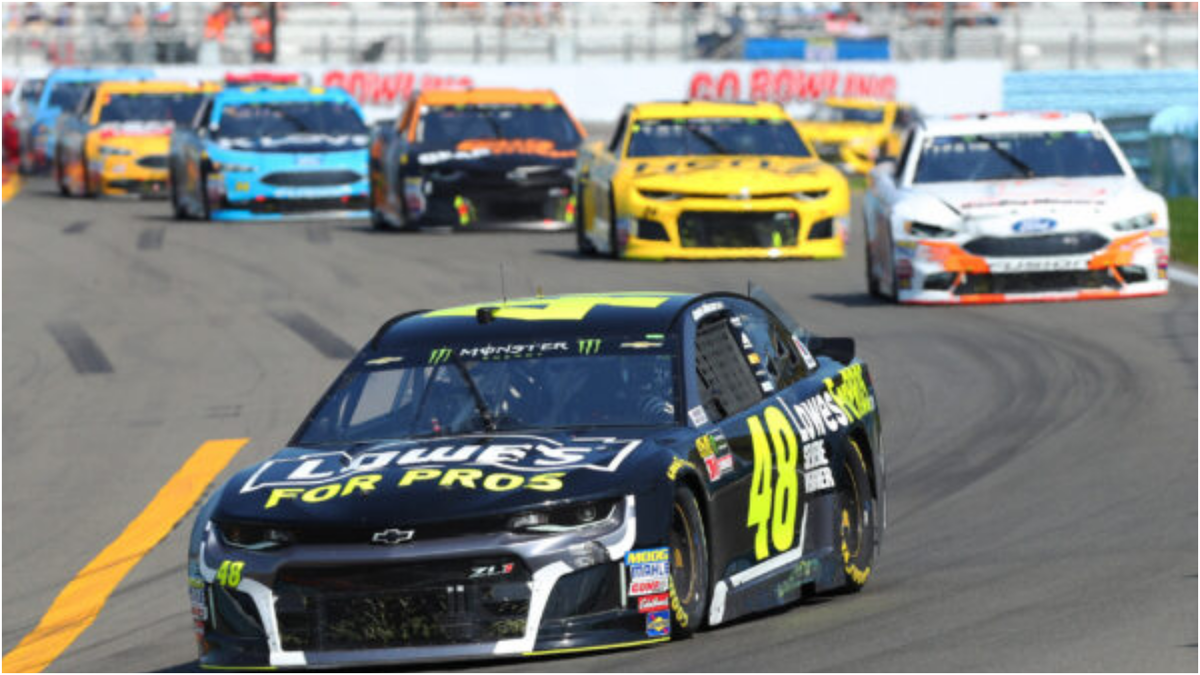
NASCAR has three car manufacturers: Chevrolet, Ford, and Toyota. On paper, they go against each other. In actuality, though, they fund, direct, and also control how their teams race. A panel of Ward Burton, Tommy Baldwin, Eric Brennan, and Jeb Burton sat down on Door Bumper Clear to discuss this. However, Baldwin, a Daytona 500-winning crew chief, did not dance around it.
Watch What’s Trending Now!
“It’s getting to the point that the money is overtaking our sport with all the tools that are being used, the domination of the manufacturers letting the bigger teams consistently use those tools more and more,” said Baldwin on the show.
The problem is not new, but the scale is. Each manufacturer sees NASCAR as a marketing move. Which means a win on Sunday will lead to a sell on Monday. Hence, it is not abnormal for them to fund elite teams directly, share simulation data, and build technical alliances.
Joe Gibbs Racing and 23XI Racing operate as one Toyota ecosystem with their Toyota Racing Development. Hendrick Motorsports makes engines and controls the data pipeline for Chevrolet affiliates. These Tier 1 teams get the best information first, while everyone else in NASCAR gets the leftovers.
For satellite teams and independent operations, the gap is about survival. Mid-tier Ford teams like RFK Racing and Front Row Motorsports have publicly noted that manufacturer support has thinned as Ford splits resources globally, including a new Formula 1 engine program.
Smaller Chevy operations like Kaulig Racing are at the bottom of Hendrick’s data priority list, receiving older setup information while the flagship cars get the latest builds. Jeb Burton’s experience with Jordan Anderson Racing this season is exactly what Tommy Baldwin is warning about.
Last year, JAR frequently ran between the 10th and the 15th. This NASCAR season, they had access to Richard Childress Racing’s technical alliance, a good upgrade on paper, but the results got worse.
JAR blended RCR’s data with their own baseline, finished seventh, and ran in the top 10 all day. But one week later, a single round of adjustment on the left rear spring swung the car from too loose to completely understeering, undrivable. The data is that sensitive, and smaller teams learning it in real time pay for every mistake on the racetrack.
Is NASCAR Bridging the Gap or Widening It?
NASCAR has tried. Testing restrictions now cap track sessions at two consecutive days, with no more than three affiliated organizations running two cars each. The horsepower bump to 750 on short tracks and road courses pushes driver skill back into the equation.
The 2024 Martinsville manipulation scandal brought massive fines and suspensions when Chevy teams shielded a driver’s playoff position. But the root problem remains. The Next Gen car banned custom chassis and parts, so teams cannot out-engineer each other mechanically.
The only remaining advantage is simulation data, which the manufacturers own. NASCAR inadvertently handed the manufacturers the keys by standardizing the hardware. As long as the data centers belong to Ford, Chevy, and Toyota, the sport’s pecking order will too.