
NASCAR made a huge change for the 2026 season. After 12 years of using a playoff system where drivers got eliminated, the sport brought back the old 10-race “Chase” format. For years, fans and drivers hated the elimination rules because a driver could have a perfect season, suffer one bad crash, and be instantly knocked out of the title fight. NASCAR brought the Chase back to fix this. Now, the top 16 drivers race for 10 straight weeks. The driver with the most points at the end wins. The goal is to reward drivers who race well every single week.
Watch What’s Trending Now!
Right now, there are only four regular-season races left. Fans and reporters are talking non-stop about the “bubble.” The bubble is the close points battle for the final open spots in the top 16. Once the regular season ends, the top 16 drivers are officially locked in.
Currently, drivers like Ryan Preece, Erik Jones, and Brad Keselowski are fighting hard on the bubble. They are trying to pass drivers like Austin Cindric, Shane van Gisbergen, and Bubba Wallace. Meanwhile, top drivers like Ty Gibbs have already secured their spots and do not have to worry.
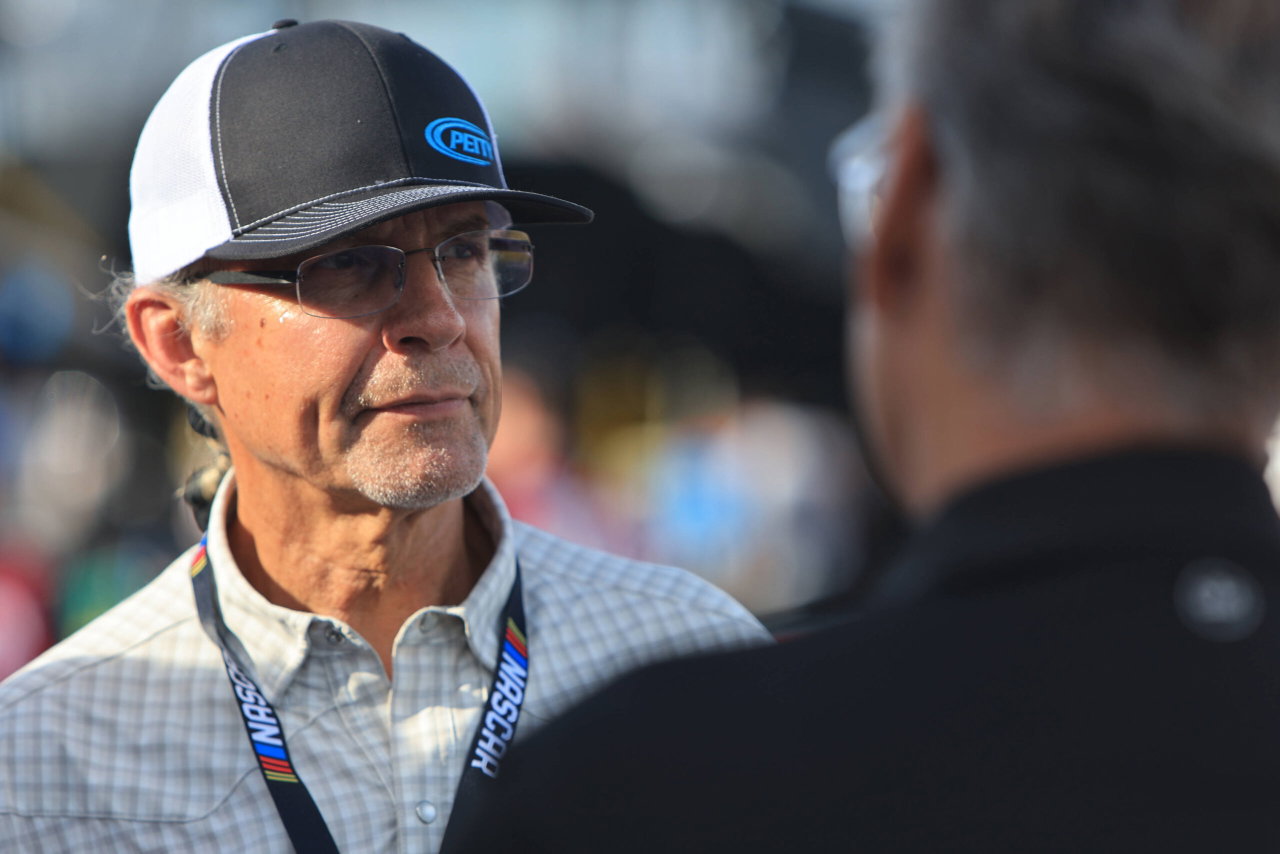
But Kyle Petty says the bubble drama is mostly meaningless
During a recent episode of NASCAR’s Inside the Race, former crew chief of Dale Jr. Earnhardt Steve Letarte tried to defend bubble drivers. However, Kyle Petty opened up about how he doesn’t care about the Chase bubble.
“I’m going to be the bad guy here. I don’t care. We spend so much time talking about the bubble every freaking year. That’s all we talk about. Bubble, bubble, bubble. And as soon as we get to the playoffs, we never mention those guys again.” Petty said, making his stance clear.
Petty makes a tough but true point. The drivers fighting for 15th and 16th place are usually just happy to make the cut. Once the real 10-race title fight starts, those bottom drivers completely disappear from TV. Only the top 8 or 10 drivers are actually fast enough to win the big trophy.
This year, superstar drivers like Tyler Reddick, Denny Hamlin, and Chase Elliott have already won 11 races combined. A driver who barely sneaks into 16th place with zero wins has almost no chance of beating them.
NASCAR journalist Toby Christie echoed Petty’s frustration, arguing that the current structure rewards drama.
“Kyle Petty is spot on here. With 16 drivers making the Chase, the drivers who are fighting for that 16th spot usually end up being very irrelevant. The one that makes it typically makes no noise in the championship fight. If we have to keep the Chase, make the qualifying field 10 drivers if you want the bubble fight to truly mean something.” Christie wrote on X.
This simple fix perfectly solves the problem in the title. If NASCAR cuts the field down from 16 to 10 drivers, the bubble fight will actually matter.
In fact, when NASCAR invented the very first Chase back in 2004, they only allowed exactly 10 drivers in. Going back to 10 drivers is simply going back to the sport’s roots. It would make every driver in the Chase a real threat to win.
So, why doesn’t NASCAR just make this simple fix?
Because having 16 cars in the Chase means more race teams get TV time. It keeps more sponsors happy. It gives fans of average teams someone to cheer for late in the year. And just because the 16th driver doesn’t win the race, that will not lessen the importance of the regular season race.
Keeping only eight or 10 drivers will only make sense if the goal is to have the toughest, best championship battle. If the aim is to keep the season buzzing with representation of more drivers, teams, and sponsors, along with levelling up the marketing game of the sport itself, keeping 16 drivers fits better.
The problem isn’t that the bubble exists. The problem is that the bubble fight is marketed as a fight and struggle for a championship title, but in reality, it’s more of a fight for participation and representation.
However, this is not the first time the Chase format has faced heavy criticism.
Kyle Busch was also not a fan of the new Chase format
Legendary RCR driver Kyle Busch was openly critical of NASCAR’s return to the Chase format. His complaint, however, was about a totally different thing from Kyle Petty.
He strongly believed that it punished strong, consistent drivers too harshly for a single bad race. Especially in today’s aggressive driving environment.
“You get caught up in a wreck and boom,” Busch said. “You can’t make up enough points to get back to the championship, but you’re going to finish third in points.” He said earlier this year, in the month of February, on SiriusXM NASCAR Radio.
Busch explained that even if you are a top-3 driver all year long, just one or two bad races during the 10-race Chase can ruin your whole season. He pointed out that this is exactly why NASCAR stopped using the Chase a few years ago.
“I thought we got away from it for a reason in the past, so I’m not really sure why we went back to it,” Busch added. “The reason why we sort of went away from it was obviously Jimmy Johnson’s dominance, number one. But I feel like number two is, there were times where guys like myself who would have one bad race or two that would then knock them out of the championship.”
His reference to Jimmie Johnson is a key factor. Under the original Chase format from 2004 to 2013, Johnson won 6 titles, often by being nearly flawless in the final 10 Chase races.
But other great drivers had amazing years completely ruined by bad luck. For example, in 2008, Carl Edwards won a massive 9 races during the season. But he lost the Chase to Johnson just because of a bad finish at Talladega.
At the end of the day, both men highlight major flaws in NASCAR’s current rules. Kyle Busch is worried about great drivers losing their shot because of bad luck. Kyle Petty is annoyed that slower drivers even make it to Chase.
Until NASCAR decides to use the simple fix and cut the field down to 10 drivers, the bubble drama will continue.