
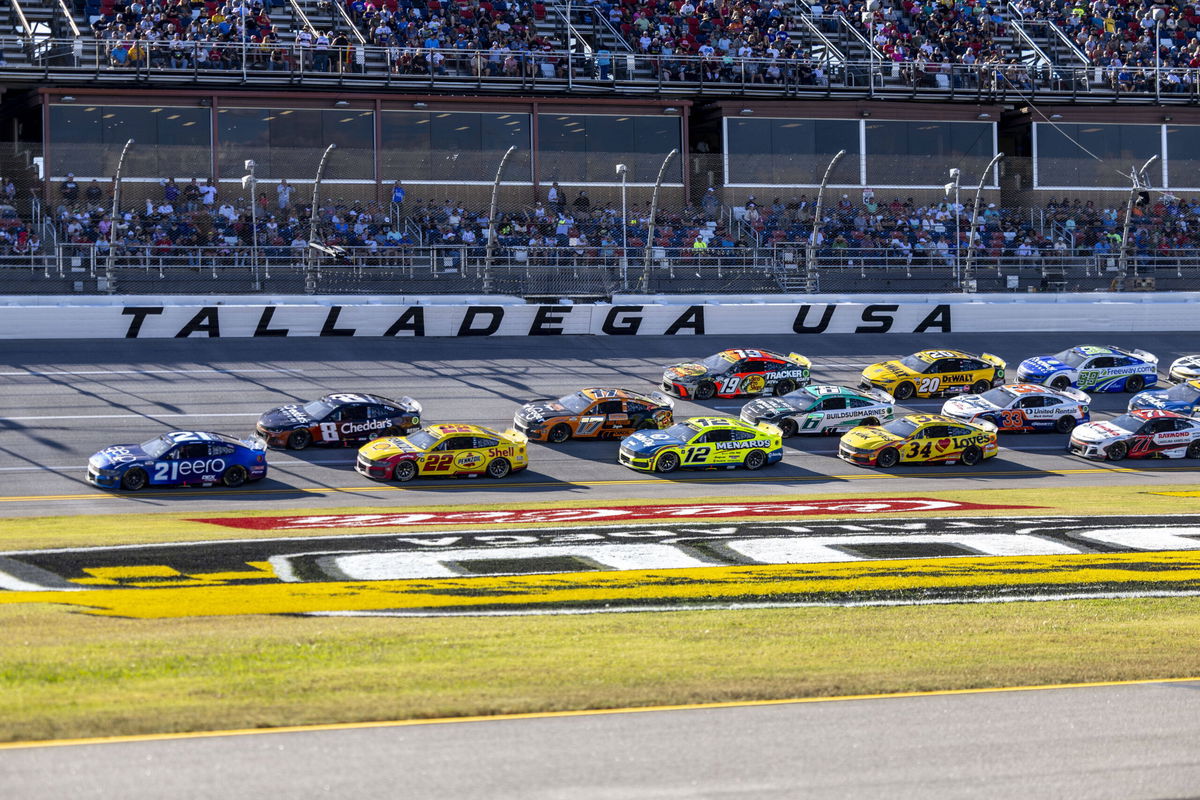
Fuel-saving tactics are clearly one of the biggest, if not the biggest, factors that have plagued the quality of superspeedway racing in the Next Gen era. Since 2022, fans and insiders alike have complained about drivers not going full throttle for significant portions of a race. To address this, NASCAR introduced a radical shake-up of the race structure beginning at Talladega Superspeedway. In essence, the first stage will be longer, allowing drivers to make green-flag pit stops, while the final two stages will be shorter. At least in theory, this should curb the use of fuel-saving tactics, though it won’t eliminate them completely.
Watch What’s Trending Now!
In a conversation with SiriusXM NASCAR Radio on April 23, Brad Moran claimed the governing body took feedback from fans against fuel savings and acted accordingly. However, the Managing Director of the NASCAR Cup Series explained why the tactics can’t be completely stopped.
“You can’t unlearn what you learn, and it’s become a thing at superspeedways. We don’t believe we’re going to get rid of fuel strategies completely because they’re just always part of the sport. The more fuel you save, the less you have to put in on the pit stop, which is quicker. And these guys are down to a tenth of a second. But we do believe this is going to help us. It’s going to give a different look to the race for sure,” he said.
Moran claimed that NASCAR is confident that in the last two shortened stages, there will be no fuel savings from drivers. And even if a caution happens in the first stage, the fuel strategy tactics would be ‘out the window as well.’
“We believe it’s going to be a good first step on our journey to try to make basically the whole conversation about fuel strategy go away in the future,” he added.

⛽️ "It's going to help quite a bit, it's going to give a different look to the race for sure." #NASCAR Cup Series Managing Director Brad Moran addresses the changes to stage lengths this weekend at @TALLADEGA in an effort to combat fuel saving. More → sxm.app.link/NASCARIntervie…
To Moran’s point, fuel-saving tactics and the outcomes of those tactics are two very different things. That is to say, fuel-saving tactics have existed for decades. They are a vital part of any crew chief’s toolkit for extracting an advantage over the competition. In fact, one of the most famous Daytona victories, Darrell Waltrip’s 1989 win, came down to fuel mileage. Similarly, Dale Earnhardt fell short in the 1986 Great American Race despite being within touching distance of Geoff Bodine, who ultimately outlasted him on fuel.
Moran admitting that certain things can’t be unlearned was also a point made by Alan Gustafson at Daytona earlier this season. He explained how, in the Next Gen era, the cars are so similar, and the playing field is so level that teams are willing to do anything to gain an edge over their rivals. As a result, fuel-saving tactics emerged out of necessity, Gustafson added.
But now it seems NASCAR is trying to find a balance between teams using fuel-saving as a competitive tactic and relying on it as a habit. One of the strongest supporters of making that change stick is its most successful driver.
Richard Petty’s thoughts on NASCAR’s tactic against fuel-saving
Speaking on his podcast about NASCAR shortening the final two stages of Talladega to deal with fuel-saving tactics, Richard Petty claimed it will work.
“When they had those long stages, everybody just got in line and slowed down two seconds, and nobody tried to pass anybody. Now you’ve got two shorter segments to make up ground if you fall behind. That changes things,” the 7x Cup champion said.
Of course, Petty’s opinion is as good as anyone else’s in NASCAR, given his experience and understanding of the sport. After all, he’s the driver with the most Daytona 500 wins (7).
Imago
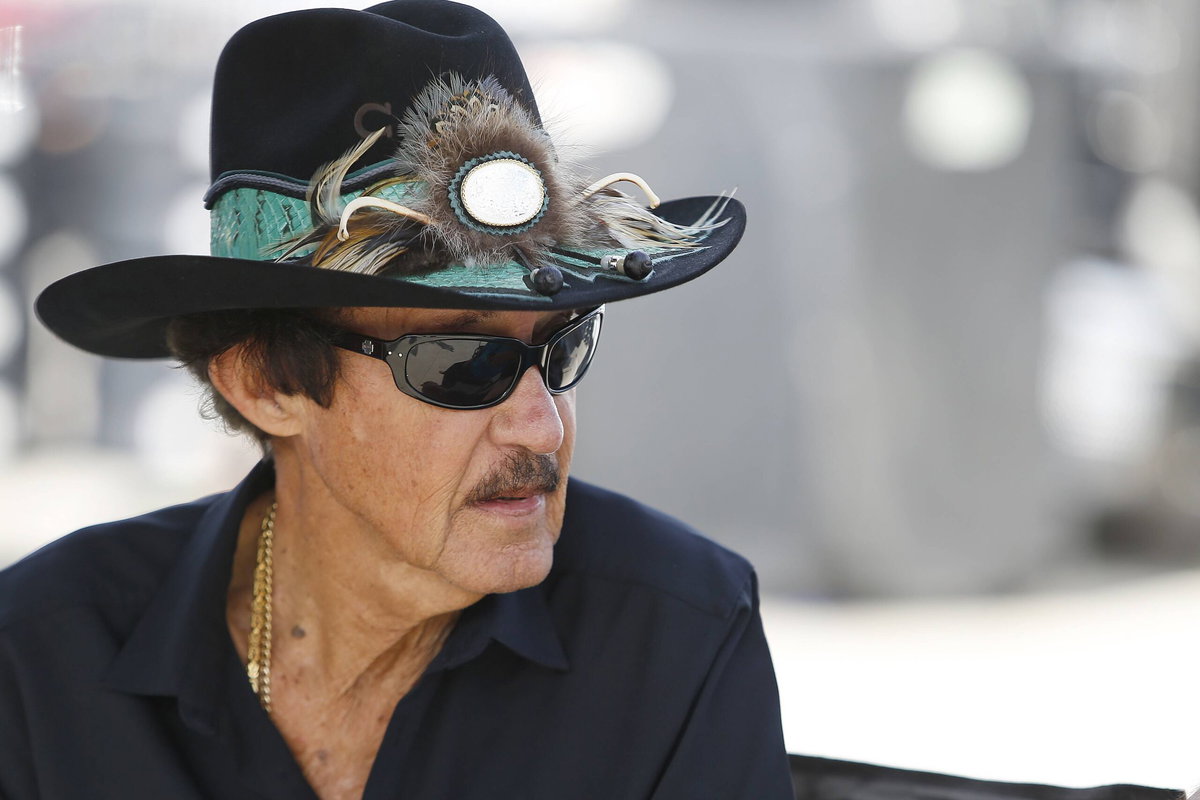
ATLANTA, GA – FEBRUARY 23: Richard Petty during first practice for the Folds of Honor QuikTrip 500 Monster Energy NASCAR Motorsport USA Cup Series race on February 23, 2018, at the Atlanta Motor Speedway in Hampton, GA. (Photo by David John Griffin/Icon Sportswire) AUTO: FEB 23 Monster Energy NASCAR Cup Series – Folds of Honor QuikTrip 500 PUBLICATIONxINxGERxSUIxAUTxHUNxRUSxSWExNORxDENxONLY Icon9531802230037500
However, some big names in the garage don’t necessarily think that the fuel savings could be stopped.
One of those is Ricky Stenhouse Jr. The winner of all 4 superspeedway races in their career claimed that the fast nature of Next Gen pit stops, with the wheels being a single lug nut compared to five in Gen 6, doesn’t allow teams to get as much fuel as they used to. Because of it, they’ll more or less have to think about saving fuel.
Ryan Blaney also believed that fuel saving won’t just disappear into thin air because NASCAR changed the stage lengths.
“It’s not going to stop,” Ryan Blaney said earlier this week. “We’re still going to save gas, maybe just a little bit less than what we have.”
Whether there is fuel-saving, how much there is, and whether it is to the detriment of the racing product is something we will all find out on Sunday.