Imago
Image Credits: Imago
Imago
Image Credits: Imago
Imago
Image Credits: Imago
Imago
Image Credits: Imago
A five-minute press conference on the courthouse steps may have ended NASCAR’s antitrust lawsuit, but it did little to repair the deeper fractures left behind.
Watch What’s Trending Now!
While the settlement delivered long-sought concessions to Cup Series teams, the months-long legal battle exposed trust issues that insiders believe will take far longer to heal.
NASCAR insider suggests that even though both the plaintiffs (23XI Racing and Front Row Motorsports) looked in harmony with the sport’s authorities, there’s a large ‘fracture’ within which can only be healed by time; moreover, the trust issues are not going to help it.
Bob Pockrass warns of a lack of trust after the NASCAR lawsuit
23XI Racing and Front Row Motorsports filed the antitrust lawsuit in October 2024, challenging NASCAR’s charter model and business practices. As the lawsuit awaited trial, quite a few things happened behind the scenes. These also included internal text messages that became public during the legal proceedings, including derogatory remarks about veteran team owner Richard Childress that sparked fresh backlash.
Apart from this, the sport and the teams were in a major disagreement during the trial. Although a settlement from NASCAR appeared to fix the dispute on the surface, insider Bob Pockrass warned otherwise.

The settlement was announced on December 11, 2025, ending the federal antitrust trial in Charlotte after more than a week of testimony. While the parties did not release full terms publicly, reporting confirmed that 23XI Racing and Front Row Motorsports would regain their combined six charters for 2026, and NASCAR agreed that charters will now be permanent for teams going forward.
“I would say the sport’s fractured. I don’t think the fractures were healed by a five-minute press conference on the courthouse steps[…]Certainly some derogatory comments from NASCAR Commissioner Steve Phelps about team owner Richard Childress,” he said in a podcast. “The only way that can be healed is with time.”
One of the primary allegations from the team was that NASCAR wasn’t paying them enough in the media rights deal. Apart from this, they also wanted a larger share of the revenue the sport earned from the ticket sales, sponsorships, etc, without knowing what the actual amount was that the sport was earning in profit. Pockrass pointed to this lack of transparency as a central reason trust eroded during negotiations.
“Mistrust” between NASCAR and the teams?
“This whole lawsuit to me is about trust. Because one of the issues when the teams were negotiating the charter agreement was they knew how much NASCAR got in the TV deal, but they really didn’t know how much NASCAR was making on ticket sales,” Pockrass said, speaking about the claims the team made without having the exact numbers.
Understandably, NASCAR wouldn’t have revealed the profits they were making from these, and the mistrust developed from here: “They go into these negotiations wanting to ask for a percentage of revenue, but they really didn’t know what the revenues were. And NASCAR wasn’t going to tell them what their overall revenues were. So, there’s a lack of trust, a lot of questions[…]Then there’s a mistrust.”
The courtroom fight also put a number on what teams believed was at stake. An economist testifying for the plaintiffs said NASCAR underpaid chartered teams by $1.06 billion from 2021–24, and calculated damages of $364.7 million for 23XI and Front Row combined—figures NASCAR disputed, but that underscored why trust and transparency became the core storyline.
One immediate ripple: industry investors began arguing that charter values jumped sharply the moment permanence became real, with Sports Business Journal reporting executives believed valuations moved “overnight” after evergreen provisions were established.
What did the teams settle for?
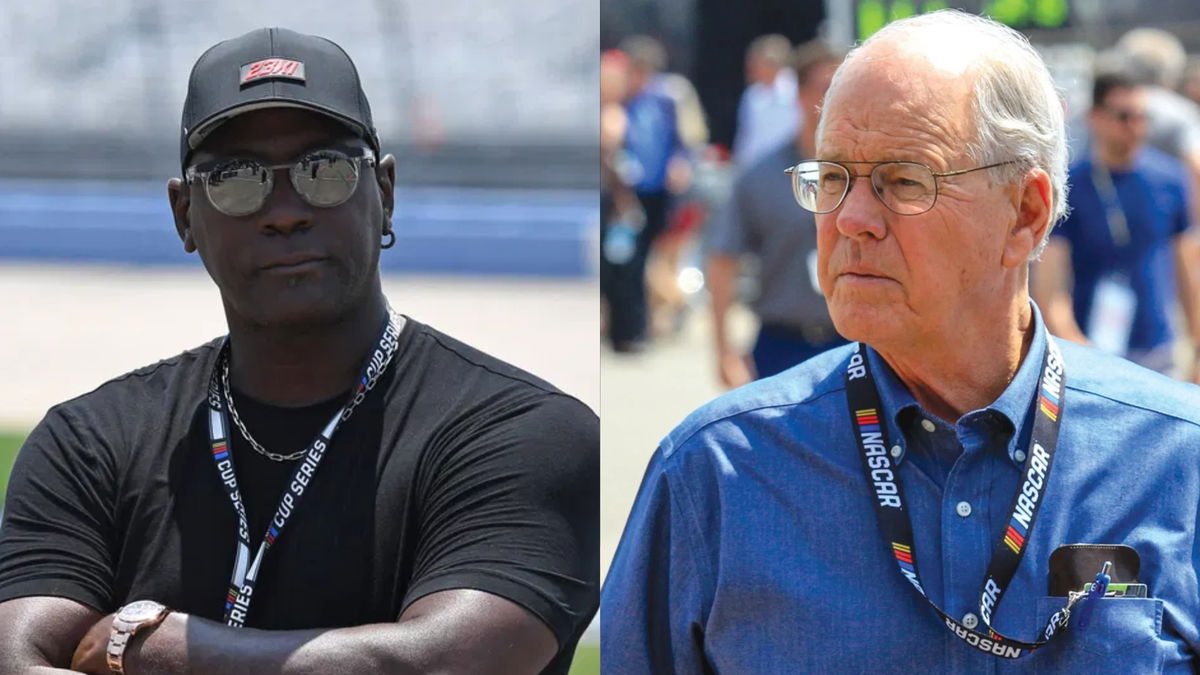
The NASCAR lawsuit was expected to go on for a long time. Some of the more interesting moments in court included Michael Jordan’s statements against the France family in court. He claimed that the drivers were the risk-takers of the sport, while the family enjoyed the profits. Apart from this, Richard Childress was also present in the court, and he was made to accept that he considered selling the ownership stock of his team. This was rather interesting, however, since he claimed that an NDA had been signed regarding this.
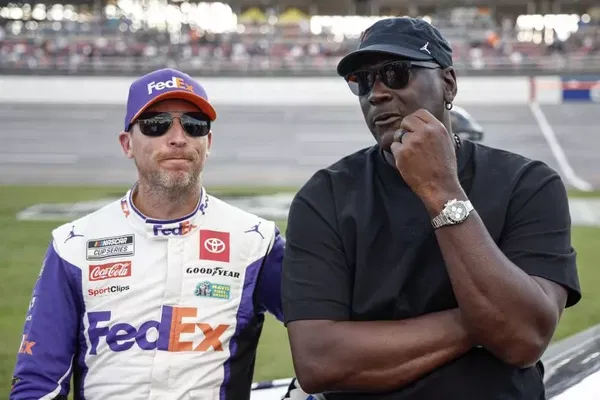
As per the settlement, the charters were made evergreen, as mentioned. This meant charters moved to permanent status, removing the uncertainty created by fixed renewal cycles and significantly strengthening teams’ long-term security. This not only increased their value, but at the same time reduced NASCAR’s leverage that stemmed from time-limited charter renewals under previous agreements.
From the teams’ perspective, the settlement represents a landmark step toward long-term stability, even if the relationship with NASCAR remains strained. Although it took a lot of time and resources, and a few relationships might have been strained, the settlement is expected to keep the sport healthy and competitive.
Related Newsletters