
We all can agree that brake rotors are among the least glamorous parts of a NASCAR stock car. Because when they fail, the consequences can be dangerous. Early in the Next Gen era, brake rotor failures became one of the car’s biggest reliability issues in the 2023 and 2024 seasons, triggering several frightening crashes.
Watch What’s Trending Now!
That is why alarm bells started ringing at Nashville this year when Trackhouse Racing saw both Ross Chastain and Connor Zilisch suffer rotor-related problems, leaving Shane van Gisbergen nervously wondering if he would be next.
Trackhouse Racing’s double failure at Nashville
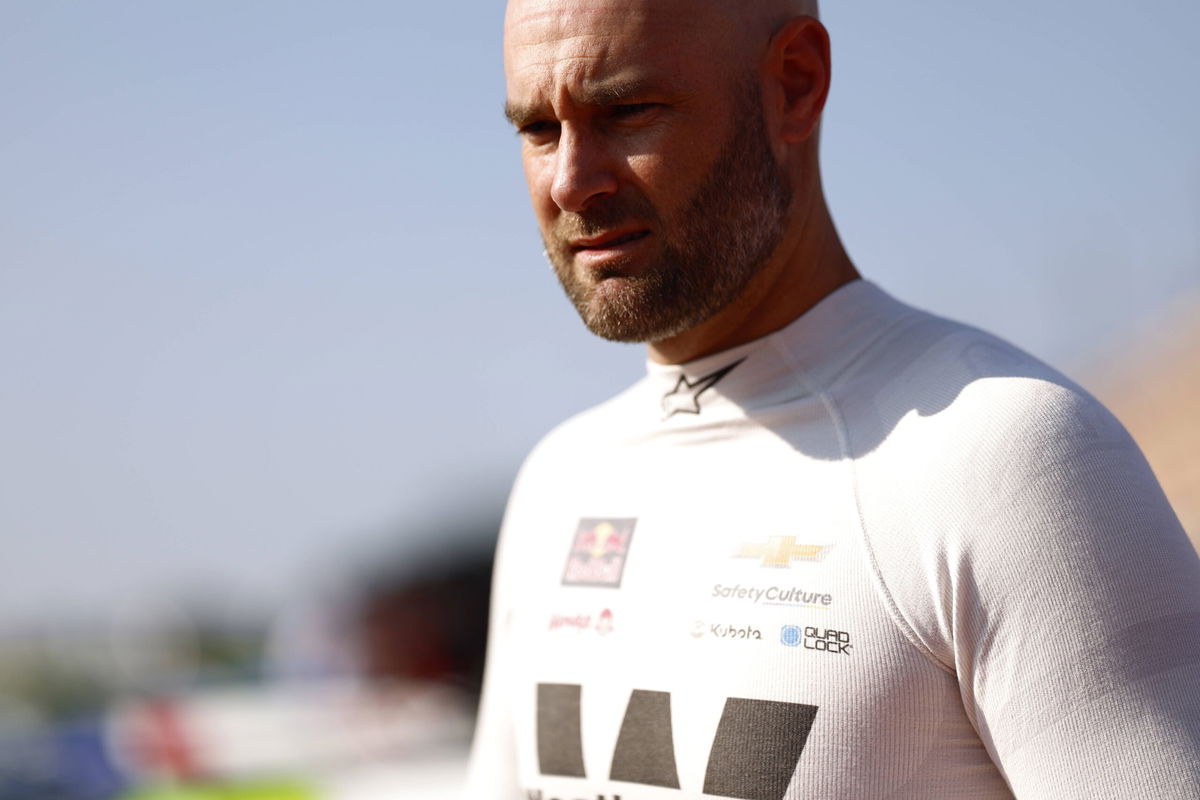
“Well, f***, now I’m worried about mine (brakes),” van Gibsen said over the radio.
Zilisch abruptly lost his ability to brake as he entered the corner on lap 72 of the Cracker Barrel 400. The second caution flag of the race was raised after he crashed his No. 88 Chevrolet into the wall. Flames broke out around the right front wheel as the damaged vehicle came to a stop.

SVG: "Well, f***, now I'm worried about mine (brakes)." No. 97 team: "Ah, you should be fine. They were a lot different than we were."
“Rotor exploded,” Zilisch reported over the radio.
The situation worsened when the rookie added that he had no brake pedal following the impact. His race ended immediately.
Nine laps later, it was Chastain’s turn. He appeared to suffer a similar brake-related failure entering Turn 1. The No. 1 Chevrolet shot into the wall on lap 81, while Michael McDowell spun trying to avoid the incident. Until then, Chastain was in 14th place and appeared ready for another strong points day.
Two Trackhouse Racing cars eliminated by apparent rotor failures were enough to make anyone in the organization nervous. RFK Racing’s Chris Buescher also faced a brake rotor issue, causing him to finish 29th in the race. Reports also note that fans were hit by the debris caused due to these failures.
The issue seems to have altered outcomes during the Next Gen era.
During the 2023 Championship Race at Phoenix Raceway, Christopher Bell had to learn the lesson the hard way. A persistent brake fade in the first part of the race upended his chance of winning his first Cup Series race. While running sixth, his Joe Gibbs Racing Toyota’s right-front rotor burst as it entered Turn 3 on lap 108. Bell crashed into the wall, ending his chances of winning the title.
This incident remains one of the most costly brake failures of the Next Gen era.
NASCAR brake rotors heat up a lot because of the repeated heavy braking. The rising temperature causes the metal to expand, which can create contact between the rotor and brake caliper. This places enormous stress on the component, and once a crack forms, the rotor can shatter. Track configuration, cooling limitations, aggressive braking zones, and the physical demands of the Next Gen braking package can all contribute to the issue.
It’s still unclear which one of the particular elements was the cause of Trackhouse Racing’s failures, but it is clear from van Gibsen’s panic that this issue is still a major red flag among drivers.