
Look across motorsports, and one thing stands out immediately: balance. Formula 1 runs a packed but measured calendar of around 22 races (originally planned 24), while IndyCar Series keeps it tighter with 17 events in 2026 with multiple weekly breaks in between. Then there’s NASCAR, pushing through a grueling 38-race NASCAR schedule (including exhibition races) with barely any breathing room. At some point, the question has to be asked: is more always better, or is it time to rethink the calendar altogether?
What makes NASCAR different
What truly separates NASCAR Cup Series from other motorsports is sheer volume. The calendar features 36 points-paying races (26 in the regular season and 10 in the Chase) along with marquee events like the Clash and the All-Star Race, bringing the total to 38 race weekends. That means teams are on track almost every single week from mid-February to early November, with barely any breaks to reset.
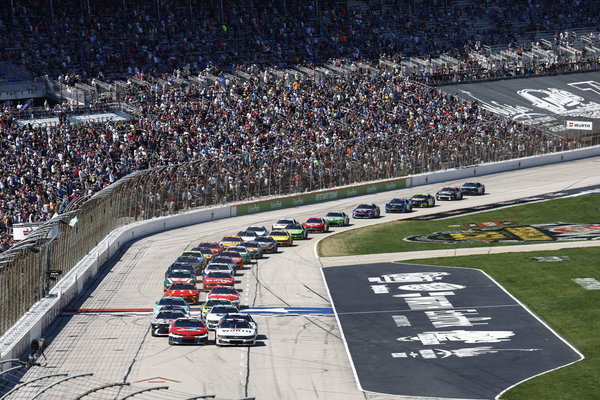
Imago
May 4, 2025, Fort Worth, Tx, USA: NASCAR, Motorsport, USA Cup Series driver, KYLE LARSON 5 of Elk Grove, CA races for the Wo¼rth 400 in Fort Worth, TX. Fort Worth USA – ZUMAa161 20250504_aaa_a161_010 Copyright: xWalterxG.xArcexSr.x
Add in the constant travel across the United States, and the grind becomes even more intense. Drivers go from short tracks to superspeedways to road courses, dealing with heat, fatigue, and wildly different racing demands. It’s not just physically exhausting, but mentally draining too.
Behind the scenes, crews feel it just as much. There’s minimal downtime for repairs, strategy adjustments, or car development. Compared to stick-and-ball sports that build in regular rest periods, NASCAR lacks any real in-season rhythm.
That relentless pace has always been part of NASCAR’s identity. But in today’s landscape, it raises a valid question: is that model still sustainable?
Why more isn’t always better
For all its action, NASCAR’s weekly schedule can sometimes work against it. Viewer fatigue is real. When races happen every weekend, the “event feel” starts to fade. Add in tracks hosting two dates in a season, and even loyal fans can feel a sense of repetition. For casual viewers, staying engaged week after week becomes even tougher.
Then comes the bigger debate: quality vs quantity. More races don’t automatically translate to better racing. In fact, the packed NASCAR schedule often leaves little room for anticipation or buildup. In today’s crowded media landscape, that matters more than ever. NASCAR isn’t just competing with other motorsports. It’s up against every major sport and streaming platform for attention.
Compare that to Formula 1, which is growing in the United States, where spacing between races helps create a global-event atmosphere each weekend. It also impacts storytelling. With barely any breaks, narratives struggle to breathe. Sometimes, having less can actually mean delivering more.
A growing push for fewer races
“I think we all are agreeing that it’s too long, but I don’t know if we’re ready to have the conversation of what it’s going to take to condense it the right way,” Bubba Wallace said, summing up a sentiment that’s quietly growing in the garage. Others have been even more direct.
“Oh, I vote for less every day of the week,” Martin Truex Jr. admitted. “It would be nice to have a few weekends off throughout the summer.” Meanwhile, Denny Hamlin acknowledged the reality behind it all: “It’s a lot… But I don’t ever see it going backwards just simply because of the revenue.” Even seven-time champion Jimmie Johnson didn’t hold back: “I’ve always firmly felt that there’s just too much racing in NASCAR.”
And the schedule backs them up. The Cup Series typically gets just one true off-weekend: Easter, usually in April. From there, it’s a relentless stretch all the way to the finale, followed by a short two-month offseason before Daytona rolls around again. Even that “break” isn’t always a break. Many drivers stay active in other racing series, leaving little time to fully reset physically or mentally.
Why NASCAR hesitates to cut races
For all the talk about reducing the NASCAR schedule, the biggest roadblock is simple: money. NASCAR’s entire ecosystem is built on volume. More races mean more TV inventory, higher ticket sales, and increased exposure for sponsors. The current $7.7 billion media rights deal reinforces that model, as several broadcasters expect a steady stream of content across the season.
Tracks also depend heavily on their race dates for revenue, often building their entire year around a single Cup weekend. For teams, fewer races would mean less visibility for sponsors, which directly impacts funding. And that’s where the dilemma lies. Cutting races could improve the overall product, but it also reduces commercial opportunities. NASCAR is stuck balancing short-term financial gains with the long-term health of the sport.
And that’s not an easy trade-off.
Possible solutions going forward
If NASCAR wants to ease the strain without hurting its business model, there are a few realistic paths forward. The simplest fix? Add two to three strategic off-weeks without cutting races. Placing them around the mid-season stretch or after the West Coast swing could give teams and drivers a much-needed reset without impacting revenue.
The more aggressive option would be trimming the NASCAR schedule slightly by bringing it down to around 30–32 races total. That would immediately increase the importance of each event while reducing burnout across the board. There’s also room to rethink logistics.
Regional clustering (grouping races geographically) could cut down on travel fatigue and improve efficiency. And if NASCAR continues exploring international expansion, it could do so with a leaner calendar rather than simply adding more dates. There’s also plenty to learn from series like IndyCar Series and Formula 1, where spacing helps build anticipation.
Because in the end, it’s not just about more racing.
It’s about making each race matter more.
