
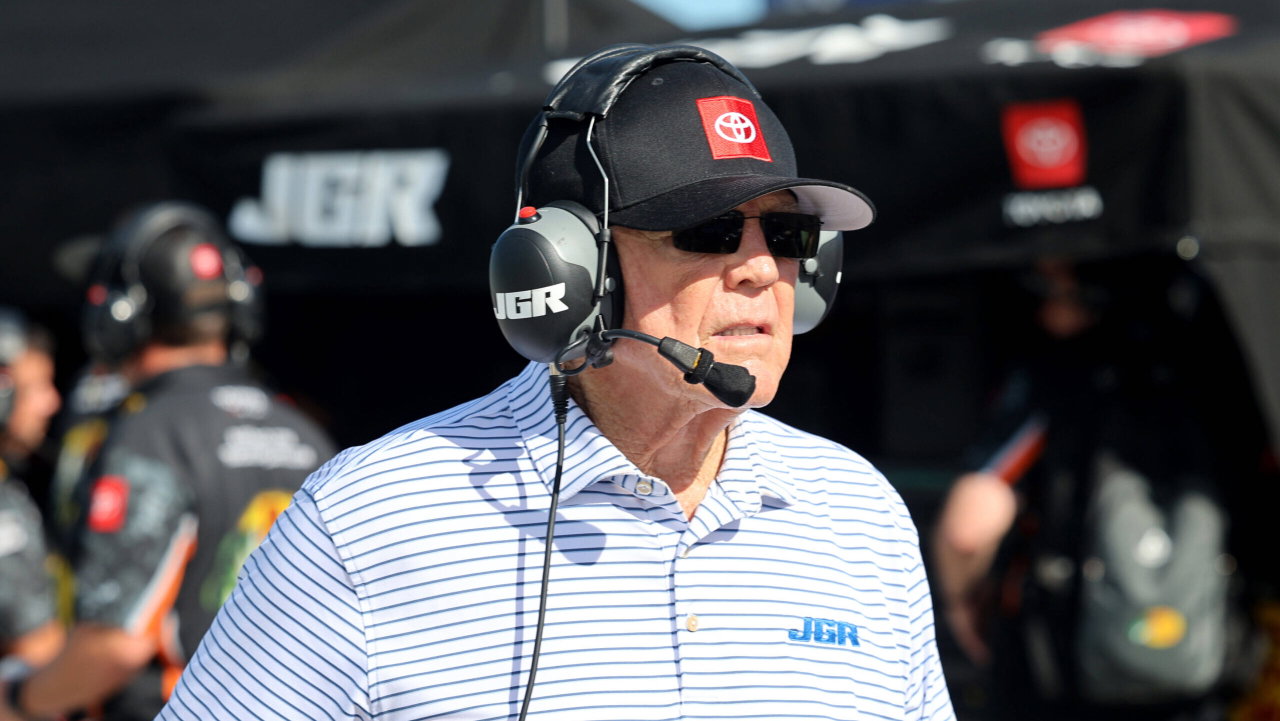
Joe Gibbs Racing has spent much of 2026 trying to keep its former competition director, Chris Gabehart, from taking his knowledge and experience to Spire Motorsports. The dispute has grown into one of NASCAR’s most closely watched legal battles, drawing both organizations into a fight over confidential information and the limits of competition. Now, JGR has suffered another setback in court, with a federal judge rejecting a request that could have significantly expanded the restrictions placed on its former employee and his new team.
Watch What’s Trending Now!
“The Court concludes that JGR has not established a likelihood of success on the merits as to its misappropriation of trade secret claims against Spire,” Bob Pockrass shared the update on X.
Judge Susan C. Rodriguez made that finding while denying Joe Gibbs Racing’s request to extend the existing preliminary injunction to Spire Motorsports. The ruling is a setback for JGR, which wanted additional restrictions placed on Spire over Gabehart’s alleged misuse of confidential information. The request was argued during an October 13 hearing in Charlotte. Rodriguez also rejected JGR’s claim that Spire had tortiously interfered with Gabehart’s employment agreement. The decision, however, does not resolve the underlying lawsuit.
The dispute began after Gabehart left JGR following 13 years with the organization. He had served as competition director and as Denny Hamlin’s crew chief. He joined Spire as chief motorsports officer ahead of the 2026 season. JGR sued him in February, alleging that he had taken confidential information and trade secrets that could give his new employer a competitive advantage. Spire was later included in the case, with JGR arguing that it had allowed Gabehart to perform duties similar to those he handled at Gibbs.
JGR sought to extend the injunction beyond Gabehart and bind Spire directly. It argued that the team was using proprietary information and had enabled Gabehart to continue participating in Cup competition matters. Its motion sought to restrict Spire from allowing him to handle Cup competition work and from using information JGR claimed was proprietary. Rodriguez concluded that JGR had not met the legal standard required for that relief.
Will NASCAR’s Planned 800-Horsepower Package Make Racing More Exciting?
A key issue was whether JGR had shown that its alleged trade secrets reached other Spire employees. Gibbs identified post-race analysis documents, setup philosophies and parameters involving tire pressures and sorting rates, along with qualifying control and production processes. JGR had identified the CG Master document on Gabehart’s Spire-issued laptop, but the judge noted that it had not provided evidence that the files were distributed to, shared with or accessed by anyone else at Spire.
The court also considered Spire’s forensic investigation, which found no alleged JGR trade secrets on the team’s systems outside Gabehart’s company-issued laptop. JGR had acknowledged that it had not confirmed whether Spire copied or implemented its setup information. On the evidence presented, the judge found JGR had not demonstrated a likelihood of success on its misappropriation claims against the organization.
JGR also argued that Spire interfered with Gabehart’s employment agreement by hiring him and allowing him to handle Cup competition matters. Rodriguez rejected that request for relief as well, finding that JGR had not made a clear showing of a likelihood of success on its tortious interference claim against Spire. The ruling does not establish that no breach occurred. Instead, it means JGR did not demonstrate that its claims justified extending the injunction to the team at this stage.
Gabehart remains subject to the preliminary injunction Rodriguez issued in April. That order restricts him from performing the same type of competition-director duties for Spire that he carried out at JGR, while allowing him to remain employed in a different capacity. In other words, the April order limited his role, but did not bar him from working for the team altogether. Spire placed him on paid administrative leave in September. He is no longer involved in Cup competition meetings and no longer has access to the team’s systems. Wednesday’s ruling does not lift those personal restrictions or authorize him to resume his former responsibilities.
The case is scheduled to go to trial on February 1, 2027, and the underlying claims remain unresolved. For now, JGR has failed to secure the broader restrictions it wanted imposed on Spire. The decision is a reprieve, not a final judgment on the underlying allegations.